
Regina’s arts institutions were interconnected from the beginning, a result of the city’s isolation and small population. During the first half of the twentieth century, private patrons helped fund the building of Regina College, which provided aspiring artists educational opportunities and served as the city’s main exhibition space. A postwar commitment to the arts led to the creation of the Saskatchewan Arts Board, the Norman MacKenzie Art Gallery, and an expanded art program at the University of Regina. As the city grew, new venues such as Neutral Ground, the city’s first artist-run centre, emerged. Contemporary Indigenous art gained visibility through the Saskatchewan Indian Federated College and Sâkêwêwak First Nations Artists’ Collective.
1874: Treaty 4
On September 15, 1874, facing disease and starvation as buffalo herds declined, leaders of the Plains Cree, Saulteaux, and Assiniboine Nations met with representatives of the British Crown at Fort Qu’Appelle to cede 195,000 square kilometres of territory to the Canadian government. The lands ranged from the southeast corner of present-day Alberta through most of southern Saskatchewan to west-central Manitoba. Like other treaties covering territories in the West, Treaty 4 was presented to the Indigenous leaders as ensuring the Queen’s protection against loss of land and livelihood. While the treaty had been conceived to achieve peaceful coexistence on the Prairies, it resulted in the significant disruption to Indigenous ways of life and caused enduring challenges for the First Nations and Métis communities residing in the region.
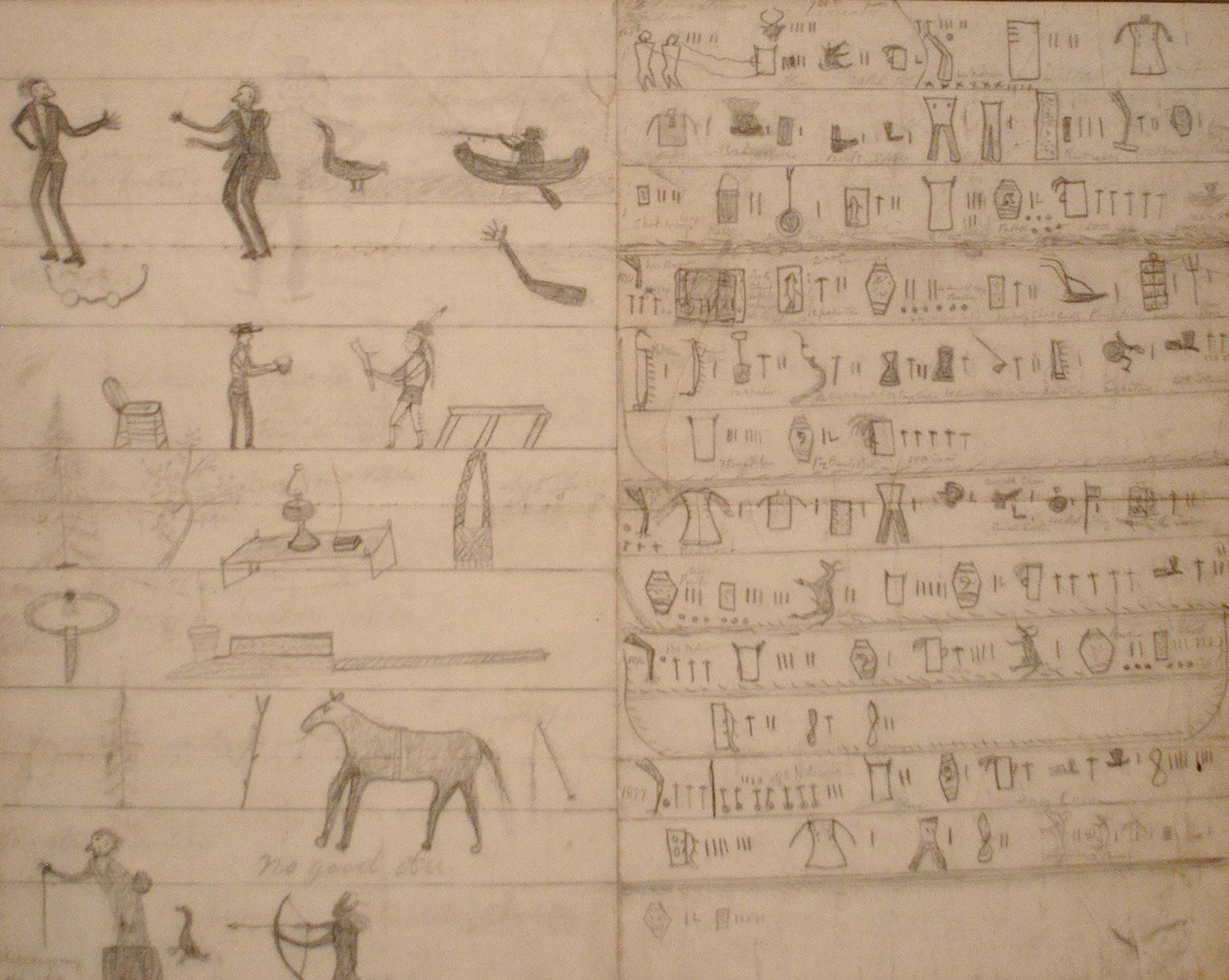
Treaty 4 is the only document of its kind in Canada that has a corresponding pictograph. Drawn in graphite on paper by Plains Cree Chief Joseph Paskwa (c.1828–1889), a signatory of the treaty, the work derives from a rich tradition of pictographic art and presents an Indigenous perspective on the negotiation and implementation of Treaty 4. Measuring thirty-three by forty-two centimetres, the pictograph is divided into two panels: the left depicts the treaty negotiations, while the right illustrates an inventory of the material goods Chief Paskwa received at the signing. Chief Paskwa is believed to have produced the document a few years after the treaty’s signing, when he began to question the Canadian government’s commitment to honouring the agreement. The pictograph was repatriated in 2007 to Chief Paskwa’s ancestors, led by Delbert Paskwa. It is currently housed at the Royal Saskatchewan Museum in Regina.
The numbered treaties forced Indigenous Peoples onto reserves. One of the many detrimental effects of this change was that Indigenous artmaking increasingly adapted to fulfill the demands of the settler souvenir market, which diminished the deep connection between the maker and the object, the sophistication of the finished product, and the stylistic differences among various Indigenous nations.
1909: Regina Public Library
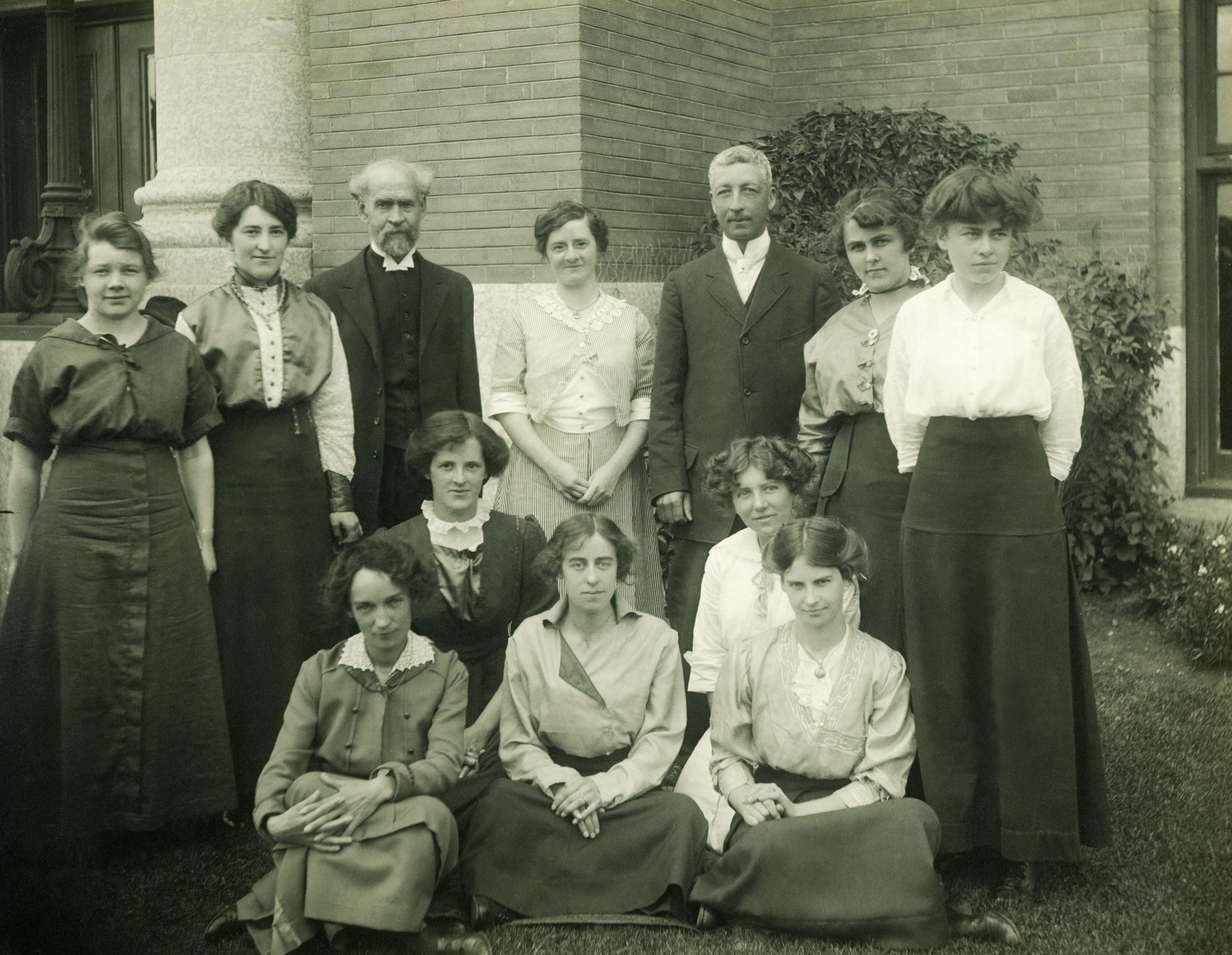
By the early 1900s, Regina’s community leaders had fully embraced the idea that a free public library was needed to ensure an educated population, which in turn would enhance the city’s cultural vitality and prosperity. Following a petition signed by Premier Thomas Walter Scott and 155 other residents, the city’s first public library was opened in three rooms on the second floor of the newly built City Hall on the first day of 1909. The first librarian, unanimously selected from thirty-two candidates, was John R.C. Honeyman (1864–1938). Honeyman’s management of the City Hall library encouraged the city to construct a purpose-built facility with funding provided by American philanthropist Andrew Carnegie.
The new library opened on Lorne Street across from Victoria Park in May 1912. Over the next several decades, it would become one of the leading public libraries in Canada, with multifaceted programming and several branches. Under Honeyman’s direction, the library began to display paintings purchased by the Local Council of Women’s Fine and Applied Arts Committee, including works by Sybil Henley Jacobson (1881–1953), Harriette Keating (1898–1975), and John Thomas Richardson (1860–1942). This marked the start of a close association between the Regina Public Library and the city’s art community.
Honeyman’s successor, Charles Deane Kent, continued making the visual arts a priority for the institution when he was hired to head the library in 1945. Kent transformed the newspaper reading room in the library’s basement into a space for art exhibitions. One of the library’s first shows was The Prospectors, featuring the work of eight Saskatchewan artists: Reta Cowley (1910–2004), Antonia Eastman (1886–1972), McGregor Hone (1920–2007), Ernest Lindner (1897–1988), Wynona Mulcaster (1915–2016), Bartley Pragnell (1907–1966), Leslie Saunders (1895–1968), and George Swinton (1917–2002).
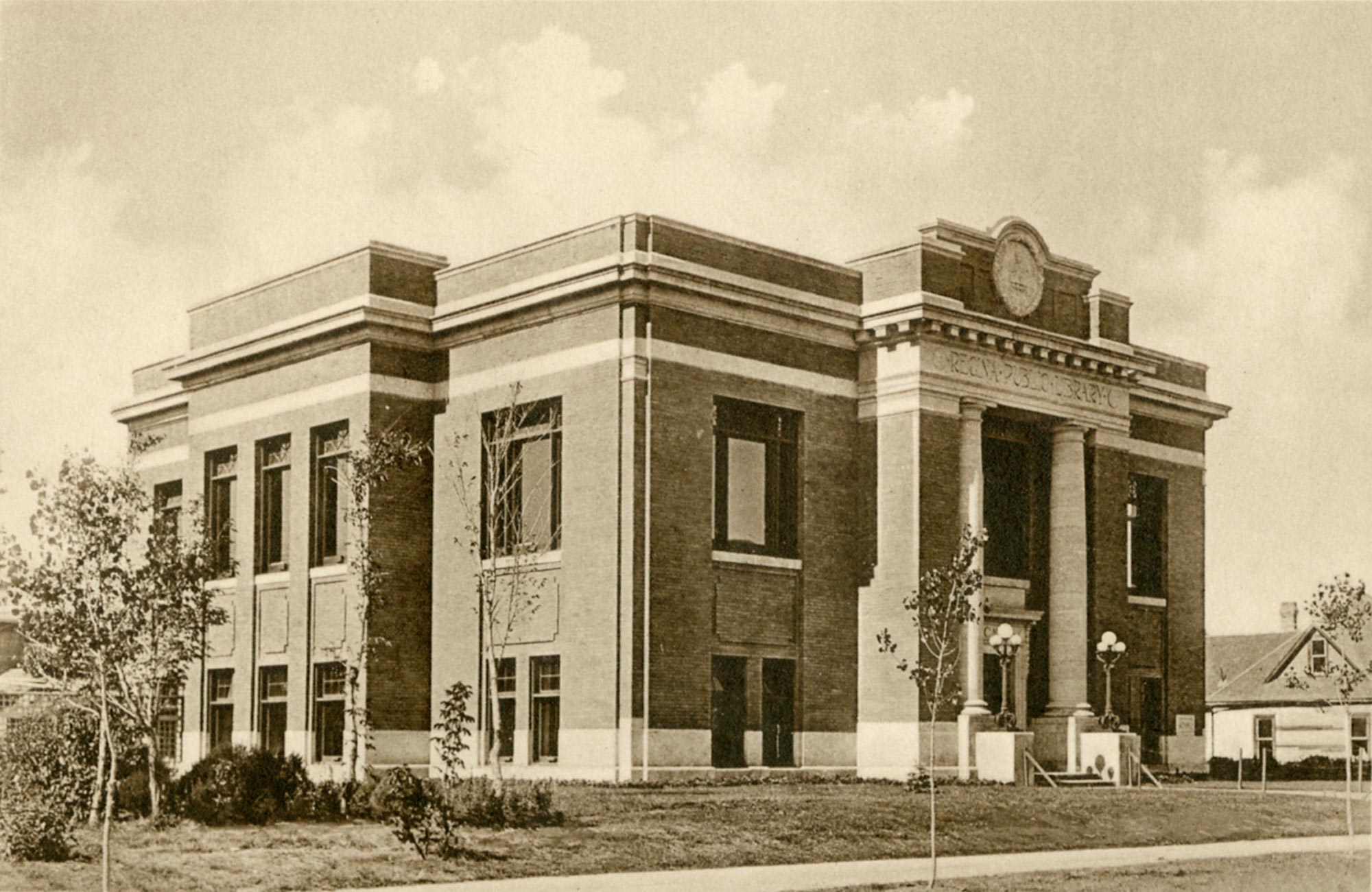
Regina Public Library, c.1915, photograph reproduced in Picturesque Views of Busy Regina, Sask. (Winnipeg: Bloom Bros., 1915).
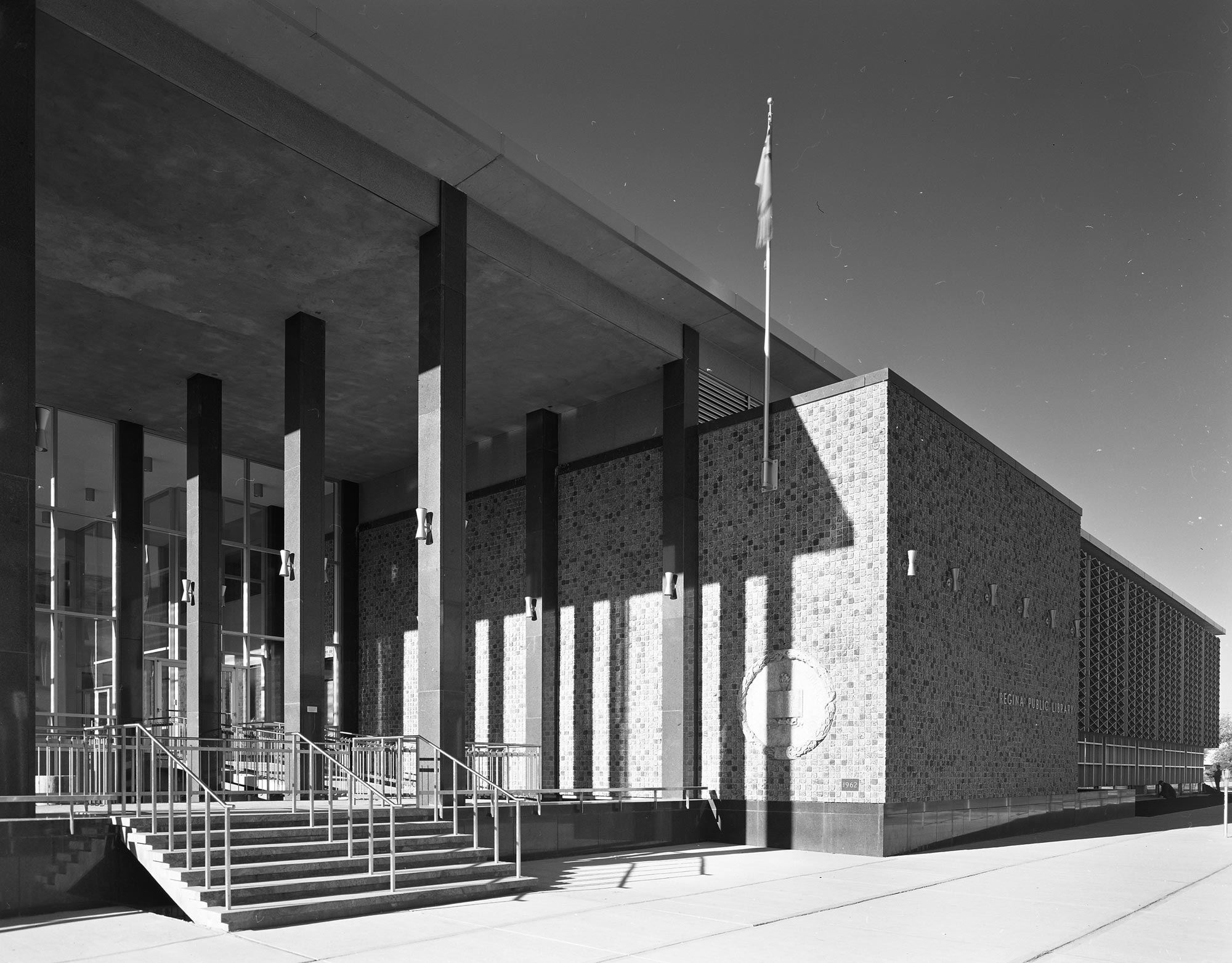
In 1948, Marjorie Dunlop (1911–2004), longtime head of the reference section, took over direction of the Regina Public Library. She developed a film and recording collection and continued the library’s exhibition program, displaying shows circulated by the Western Canada Art Circuit and the Saskatchewan Arts Board. Dunlop lobbied for a larger and more modern central library; her efforts were rewarded when the city approved the project in 1961. Opened in 1962, the new building, designed in a modernist style by Japanese Canadian architect Kiyoshi Izumi (1921–1996), contrasted with the neoclassical Carnegie-built library and represented an optimistic turn toward the future. The new design included an exhibition space, making it the first purpose-built art gallery within a library in Saskatchewan.
1909: Regina Society for the Advancement of Art, Literature and Science
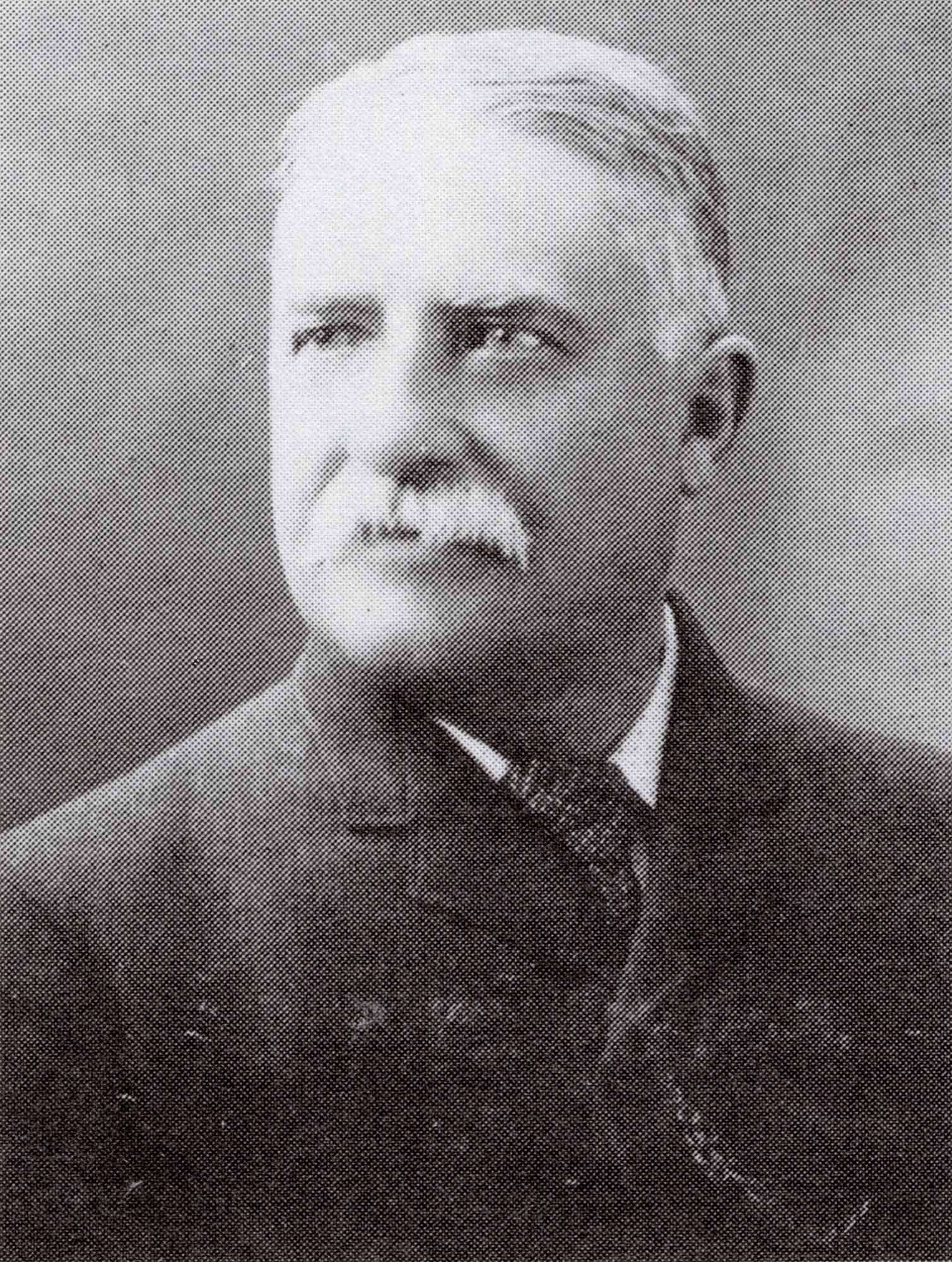
William Trant, date unknown, photographer unknown, reproduced in The Legislative Library of Saskatchewan, by Christine MacDonald (Regina: Saskatchewan Legislative Library, 1986).
The Regina Society for the Advancement of Art, Literature and Science (RSAALS), the first organization in the city to include art in its mandate, was formed in 1909, mainly on the initiative of journalist and lawyer William Trant. An enthusiastic supporter of art, Trant was one of the first in the city to call for a permanent art gallery, writing in 1911:
The true greatness of nations has always been indicated by its arts, science and literature—by painting, sculpture, music and architecture; by science, which is the fons et origo of all discovery and invention, as well as the expansion of ideas; and lastly, by its literature, the greatest of all, because an imperishable record. It is hoped that the time is not far distant when Regina shall have its permanent art exhibition.
Focused on “the cultivation and promotion of an interest in the study of the arts, sciences, history and literature” and open to all residents for a nominal membership fee, the RSAALS conducted its business through its committees. The painting committee, led by Arthur M. Fenwick and Elizabeth Rankin (1872–1960), teachers at the Provincial Normal School, and Marie Gilroy (1867–1949), an artist, organized annual meetings, exhibitions, salon-style social gatherings, lectures, and other events. Most of these took place in the auditorium of the recently opened Regina Collegiate Institute, the first school in the city dedicated exclusively to secondary education.
The committee held its inaugural event in August 1910, a lecture on art fraud by Winnipeg-based, Hungarian-born artist Alexander Keszthelyi (1874–1953). In October of that year, the society held its first social gathering. The art display at this event featured several paintings and engravings from local private collections, including a copy of a Madonna and Child by Antonio da Correggio (1489–1534), owned by Alfred Perring-Taylor, and works by several other notable European artists, including Rosa Bonheur (1822–1899) and Camille Corot (1796–1875). In addition to these works was a large selection of architectural drawings, china painting, and photography.
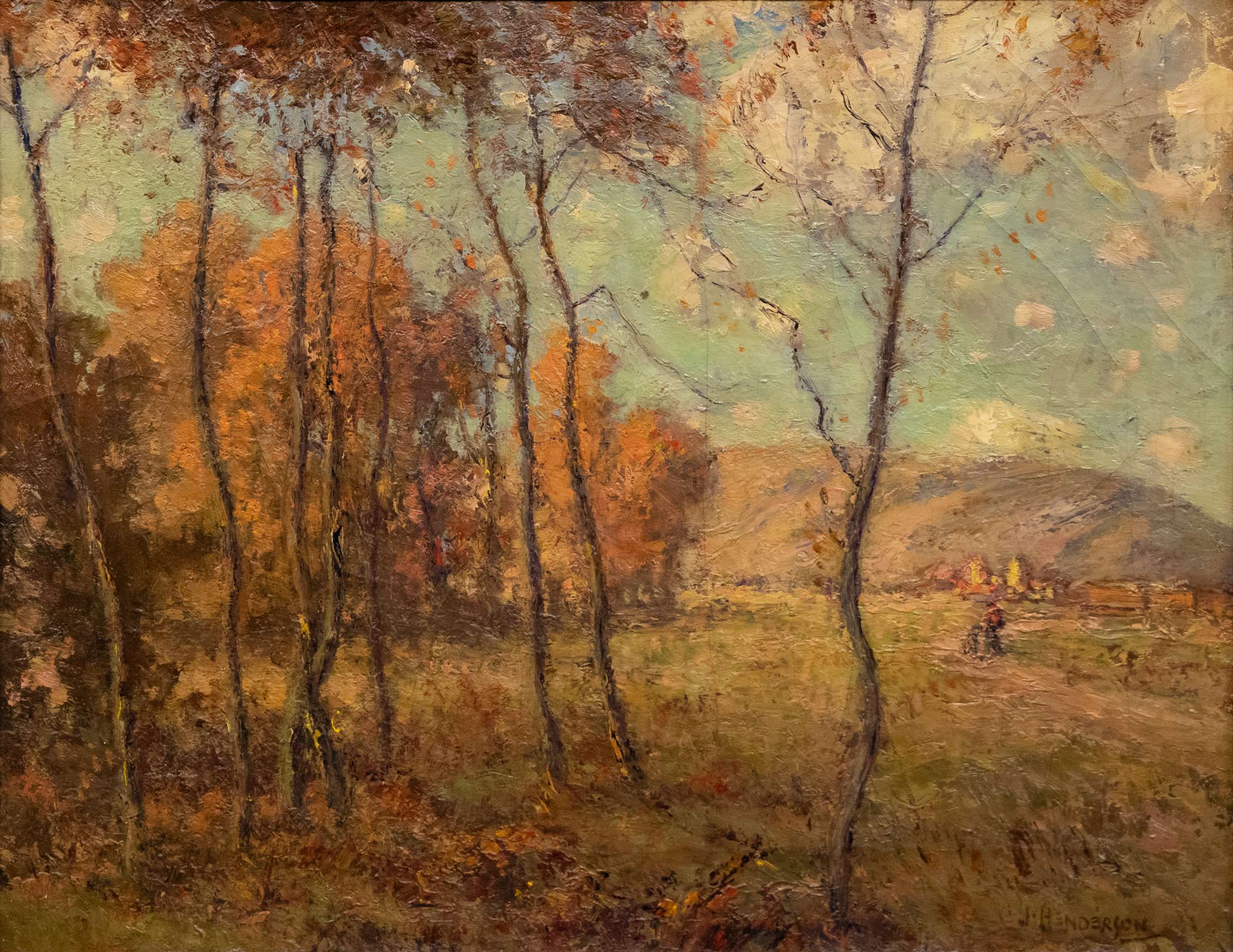
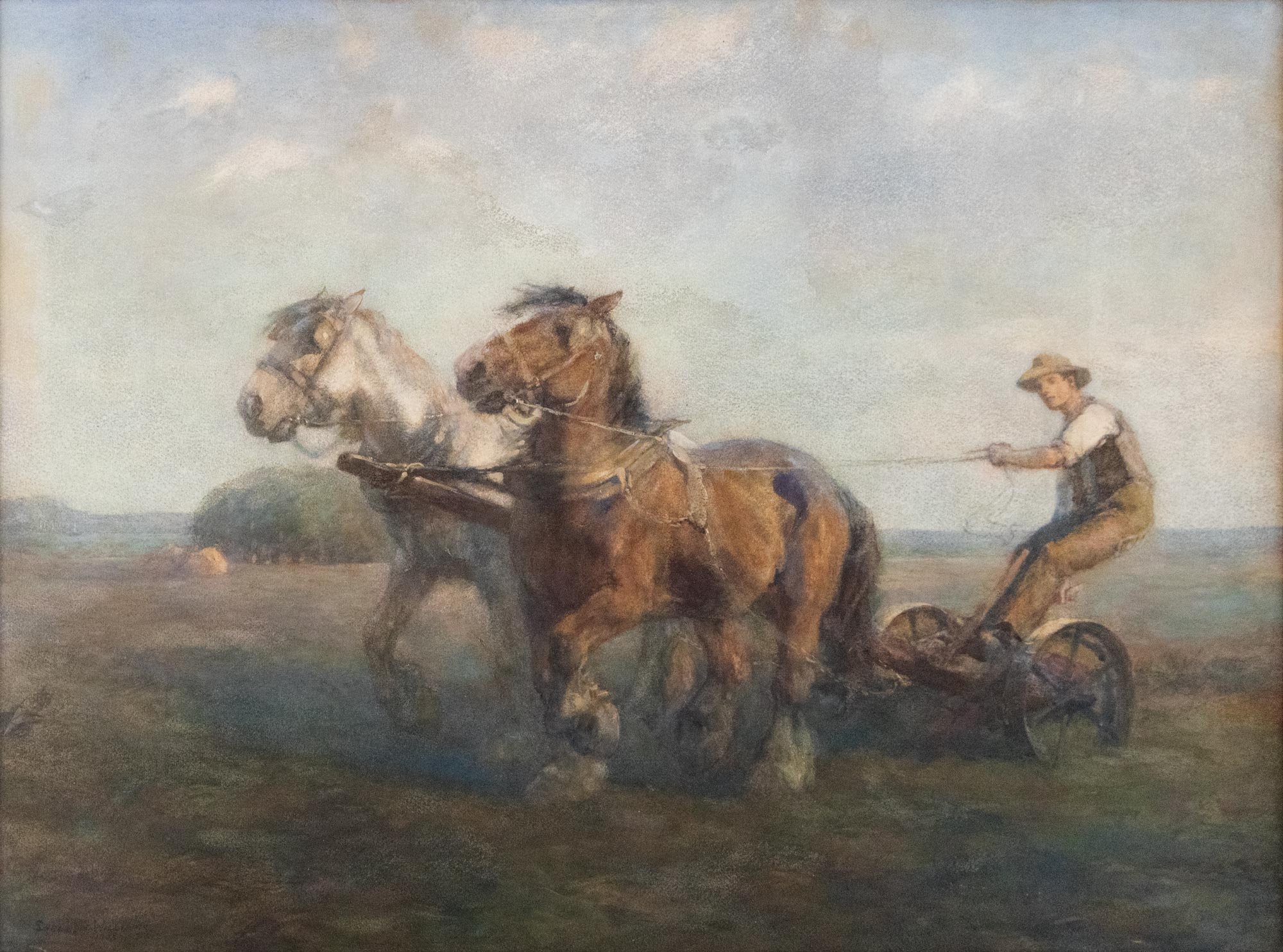
The RSAALS changed the direction of its exhibitions in 1914, when it held its first featuring works loaned by local artists, James Henderson (1871–1951) and Inglis Sheldon-Williams (1870–1940) among them, at the new Provincial Normal School. The school’s principal, Richard Albert Wilson, noted in his opening remarks that the organizers of the exhibition “were laying the foundation for the higher artistic life that undoubtedly lies before the people of the West.” However, despite its promising start, the RSAALS was short-lived, disbanding at the beginning of the First World War, as the city’s residents began to direct their energies to supporting the war. The society’s efforts to promote art in the city were continued by the Local Council of Women’s Fine and Applied Arts Committee in the early 1920s.
1911: Regina College
Since its founding by the Methodist Church in 1911, Regina College has played a central role in the development of the city’s art. In 1916, the school began offering art courses, including instruction in portrait, landscape, and still-life painting, under the direction of Inglis Sheldon-Williams. After his departure in early 1918, artists Mildred Valley Thornton (1890–1967), Harriette Keating, Joseph Henry Lee-Grayson (1875–1953), and Hilda Stewart (1892–1978) taught there at various times.
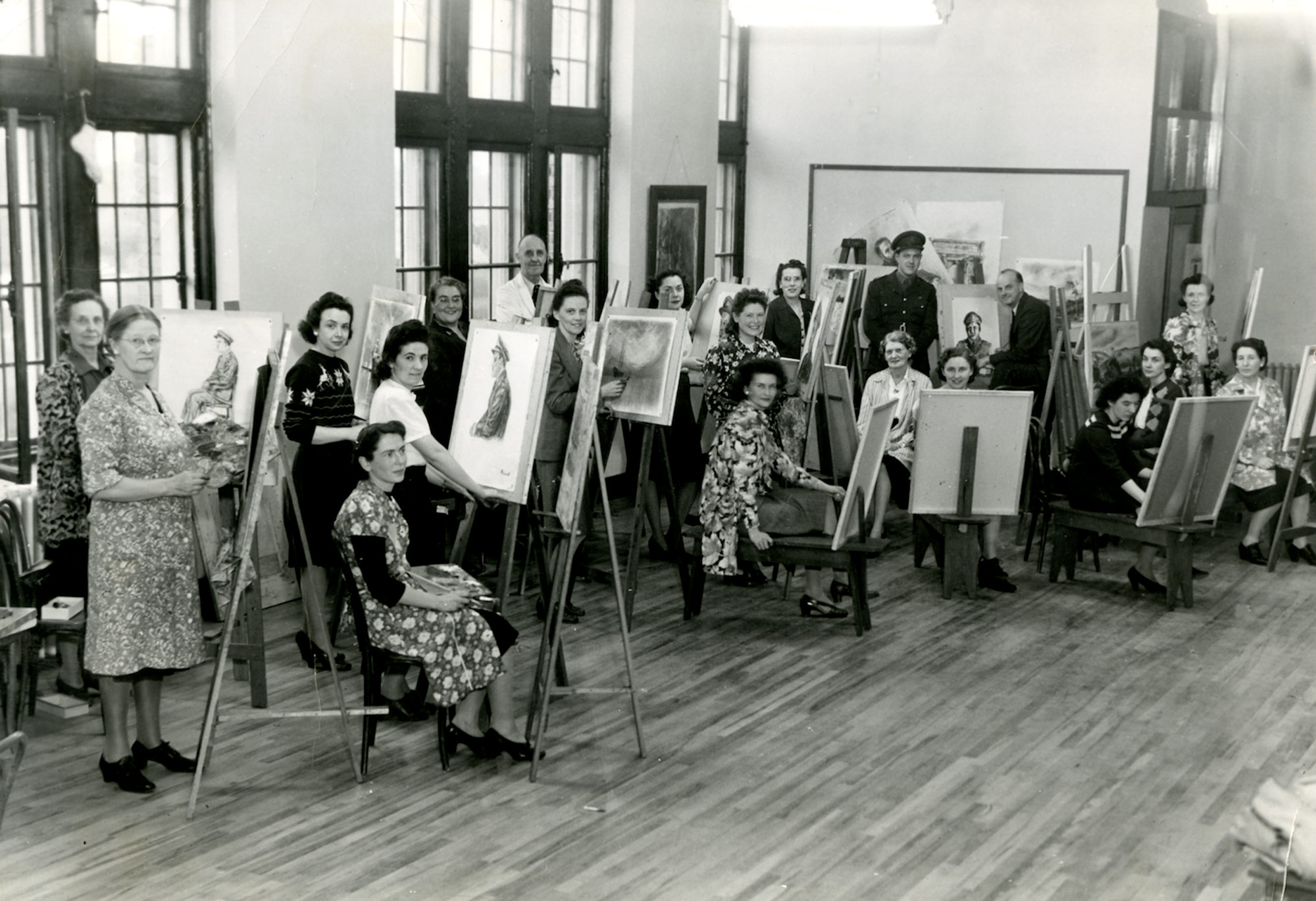
In 1936, just two years after the institution became part of the University of Saskatchewan, Regina College opened a fine arts department under the direction of Augustus Kenderdine (1870–1947), whose duties also included managing the art collection of Norman MacKenzie (1869–1936) and teaching summer courses at the Murray Point Summer School of Art. Joining Kenderdine was Gordon Snelgrove (1898–1966), who taught courses in art history. With both on board, the college was able to offer a two-year associate certificate in art, with combined courses in studio art and art history.
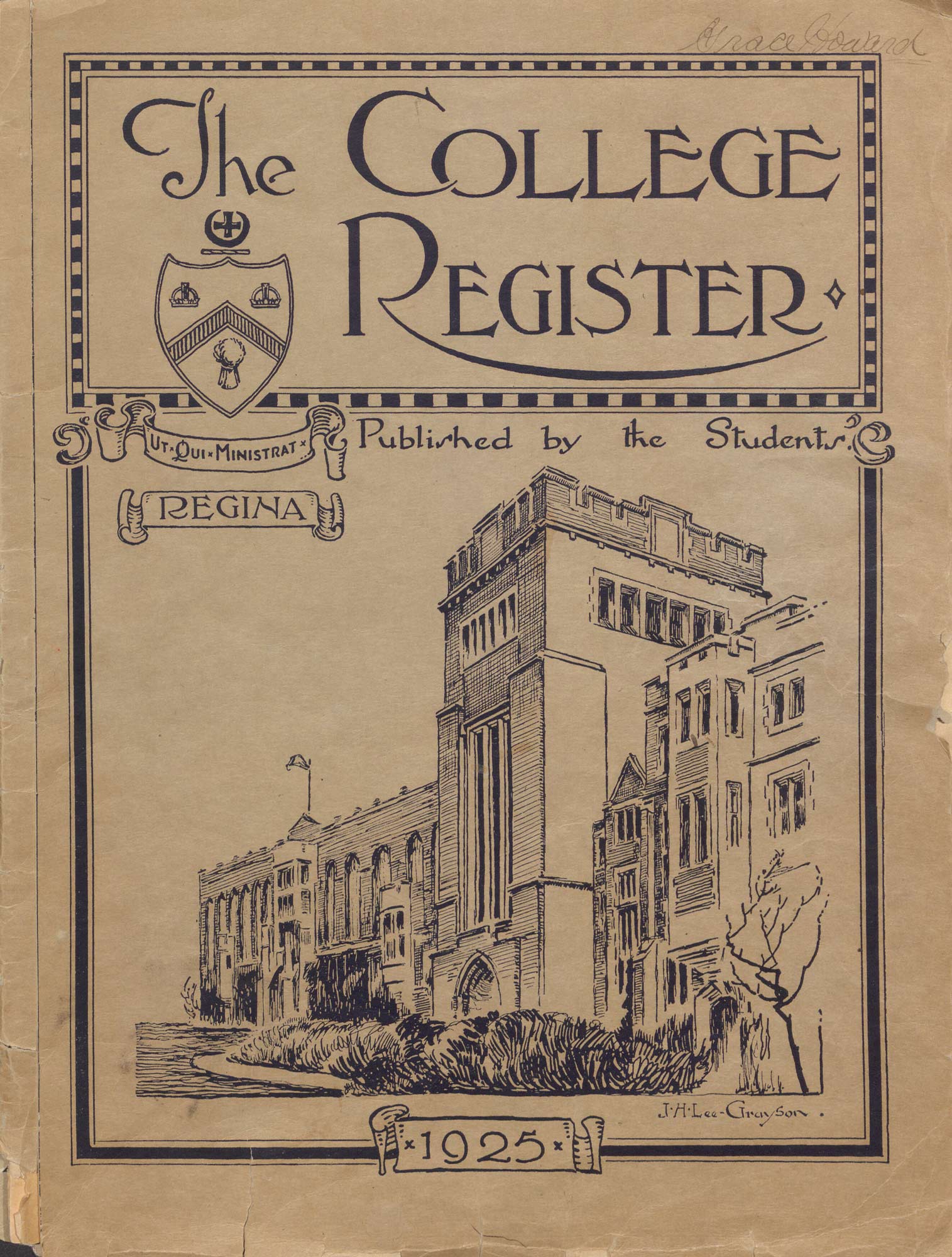
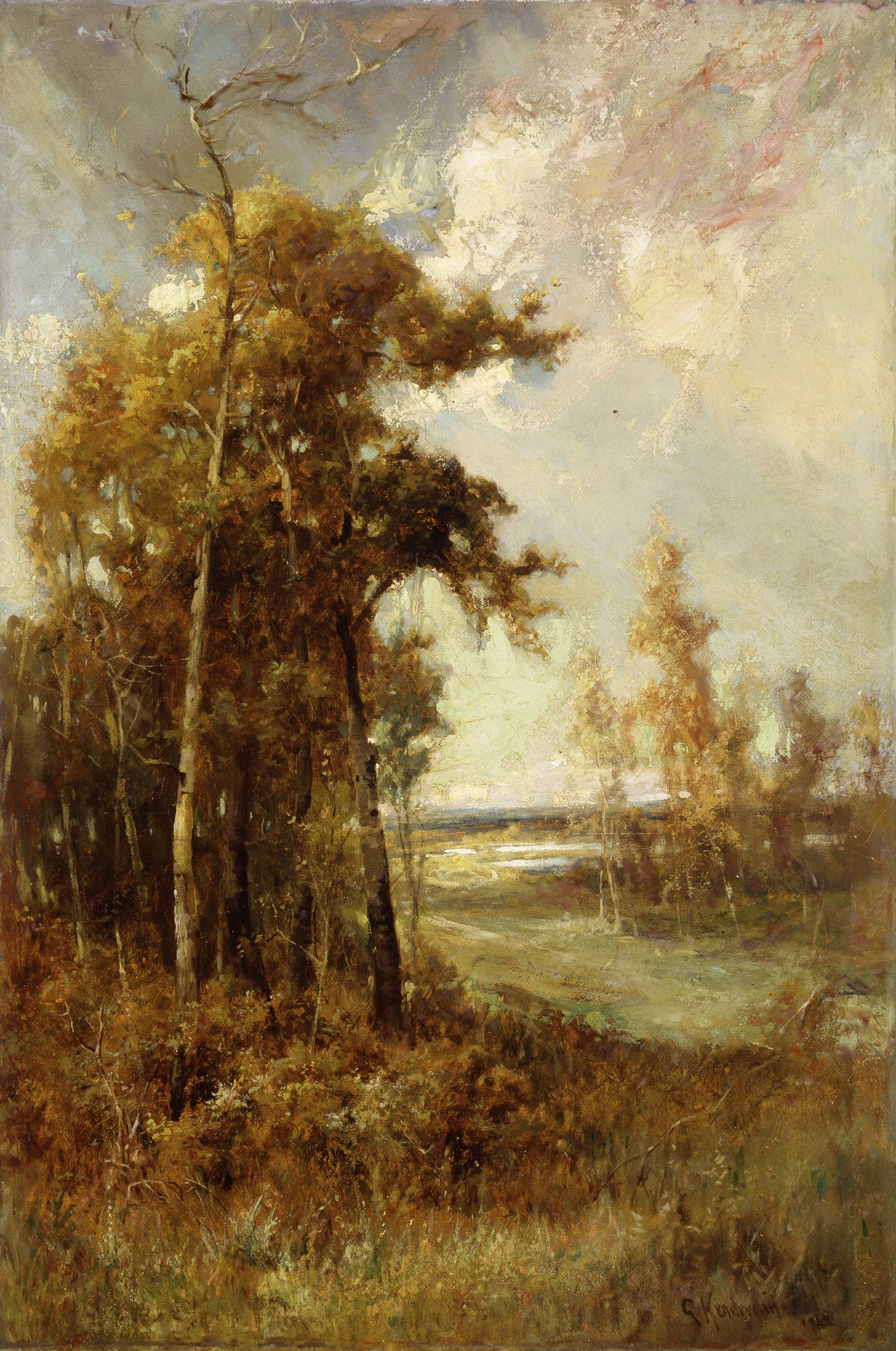
After Snelgrove returned to Saskatoon in 1939, Kenderdine continued to lead the department until his death in 1947, after which it remained closed until Kenneth Lochhead (1926–2006) became department head in 1950. Lochhead was the lone instructor until 1952, when Arthur McKay (1926–2000) joined the staff, followed by Roy K. Kiyooka (1926–1994) in 1956. The school moved into the newly expanded Norman MacKenzie Art Gallery in 1957, a joint-use facility designed by Kiyoshi Izumi. Its prestige continued to grow in 1959, when it received full degree-granting status as a second campus—Regina Campus—of the University of Saskatchewan. The change helped spark the growth of the art department, which expanded its programs and added new instructors over the next decade, making it one of the leading art schools in Canada.
In 1964, Ricardo Gomez (b.1942), who had studied at the California School of Fine Arts, was hired to establish a sculpture department. He remained on staff for over two decades, developing a reputation as one of Regina’s most influential sculptors. Jack Sures (1934–2018) joined in 1965, having been invited by McKay, by then dean of the art department at Regina Campus, to set up the university’s new ceramics and printmaking departments. Sures played a vital role in building the departments, setting up a bachelor of fine arts degree program in 1969. Also added to the teaching staff was Russell Yuristy (b.1936), who taught painting and drawing between at the school between 1967 and 1971.
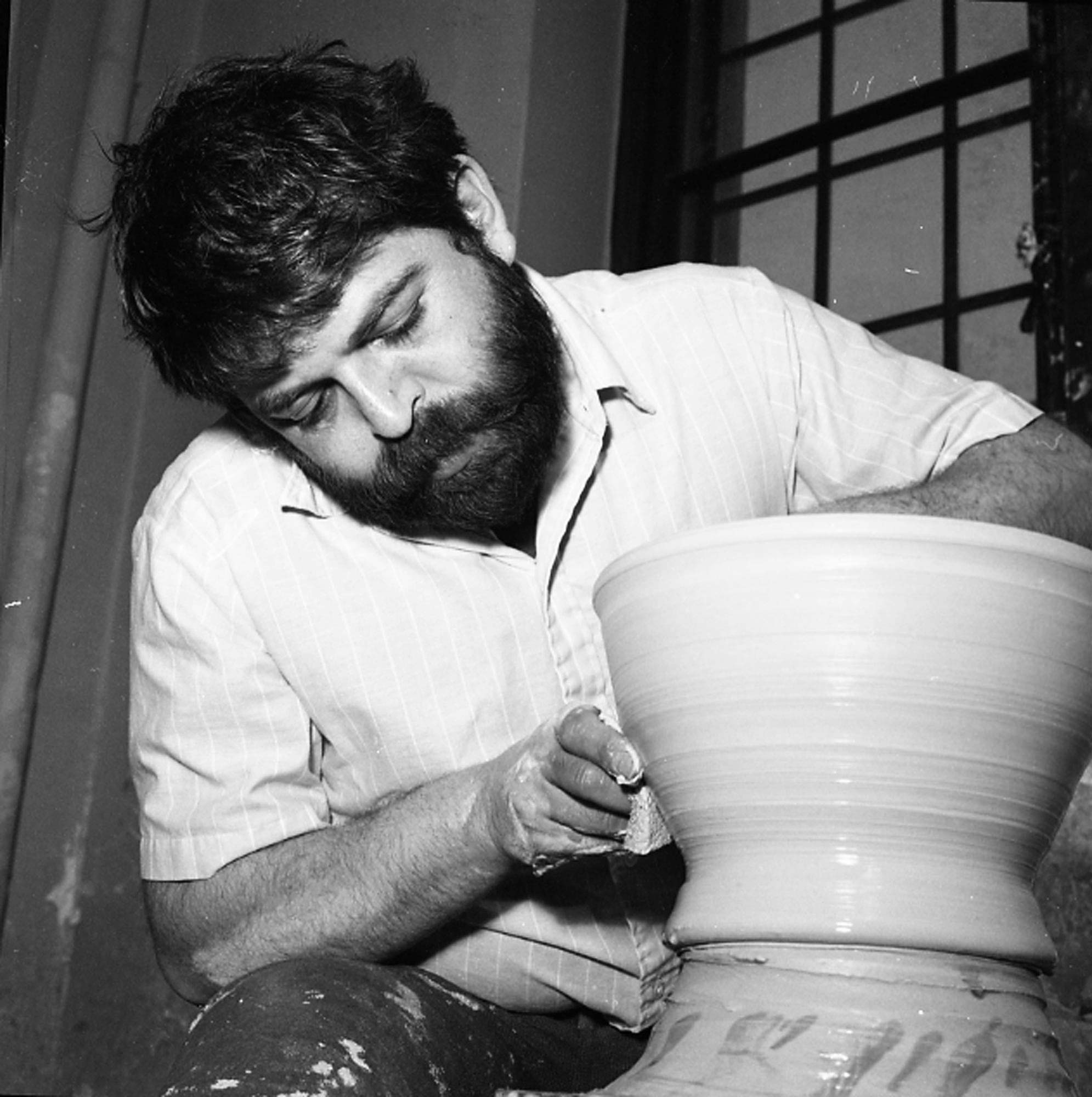
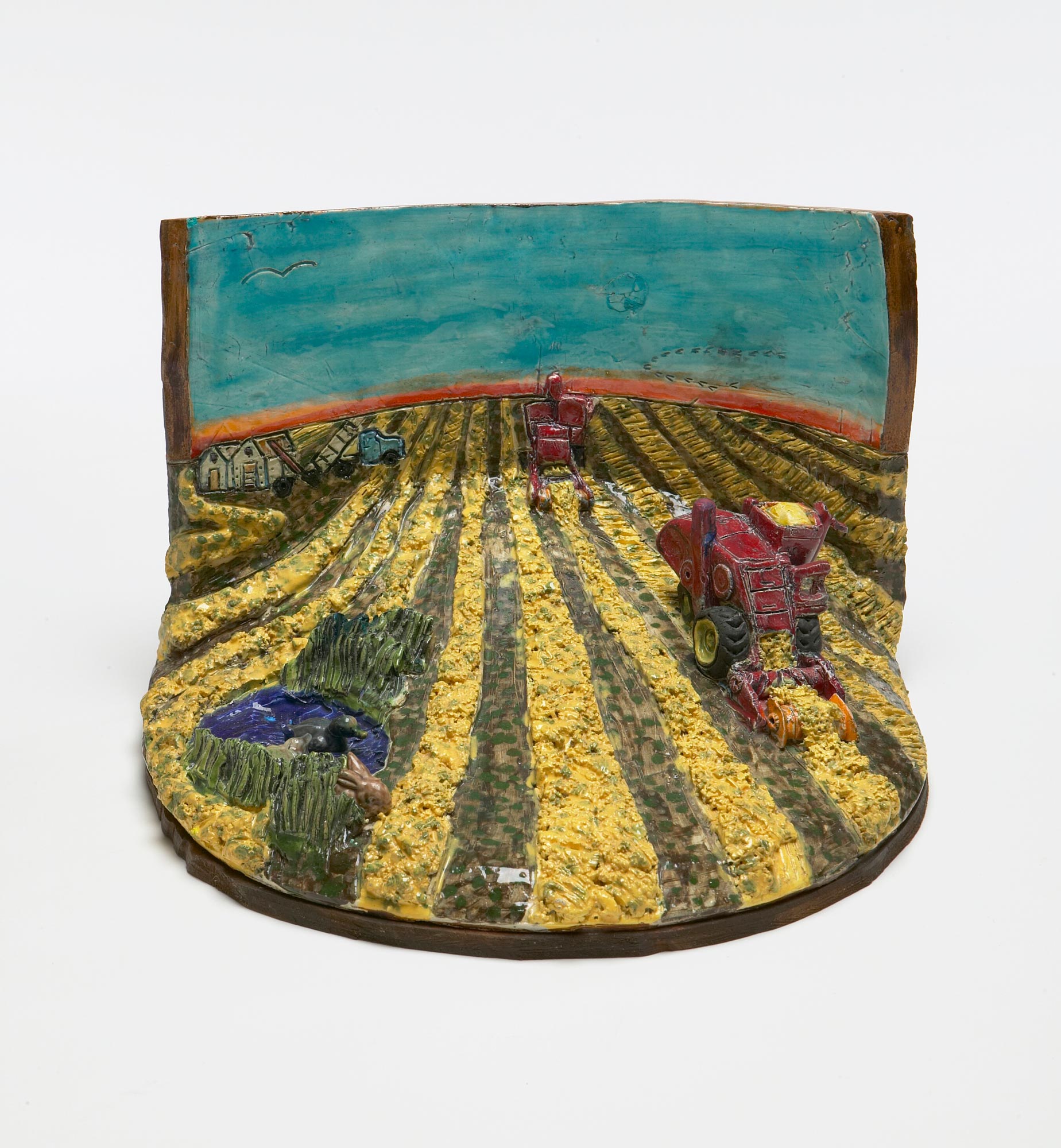
During the 1970s, the school employed several artists who helped usher in the Regina Clay Movement, including David Gilhooly (1943–2013), Joe Fafard (1942–2019), and Marilyn Levine (1935–2005). The fine arts department continued to thrive in the former Normal School building on College Avenue until 1997, when it relocated to the new University Centre (now the Dr. William Riddell Centre) building at the University of Regina. Among the students to graduate are several who have had a significant impact on Regina art, including Donna Kriekle (b.1945), Ryan Arnott (b.1952), Lorne Beug (b.1948), Marsha Kennedy (b.1951), and Ruth Chambers (b.1960).
1913–1929: Women’s Art Associations
Women have played vital roles in advancing Regina’s art community from the beginning through organizations such as the Women’s Educational Club (WEC), the Fine and Applied Arts Committee of the Local Council of Women (LCW), and the Women’s Art Association of Saskatchewan (WAAS).
The WEC was formed in 1913 with the goal of enhancing the status of Regina College and promoting the appreciation of art and music in the city. Early members included Annie Darke, wife of Francis Darke, a businessman and philanthropist who helped fund the building of Regina College, and Maude Stapleford, whose husband, Ernest Stapleford, served as the school’s head administrator from 1915 until 1937.
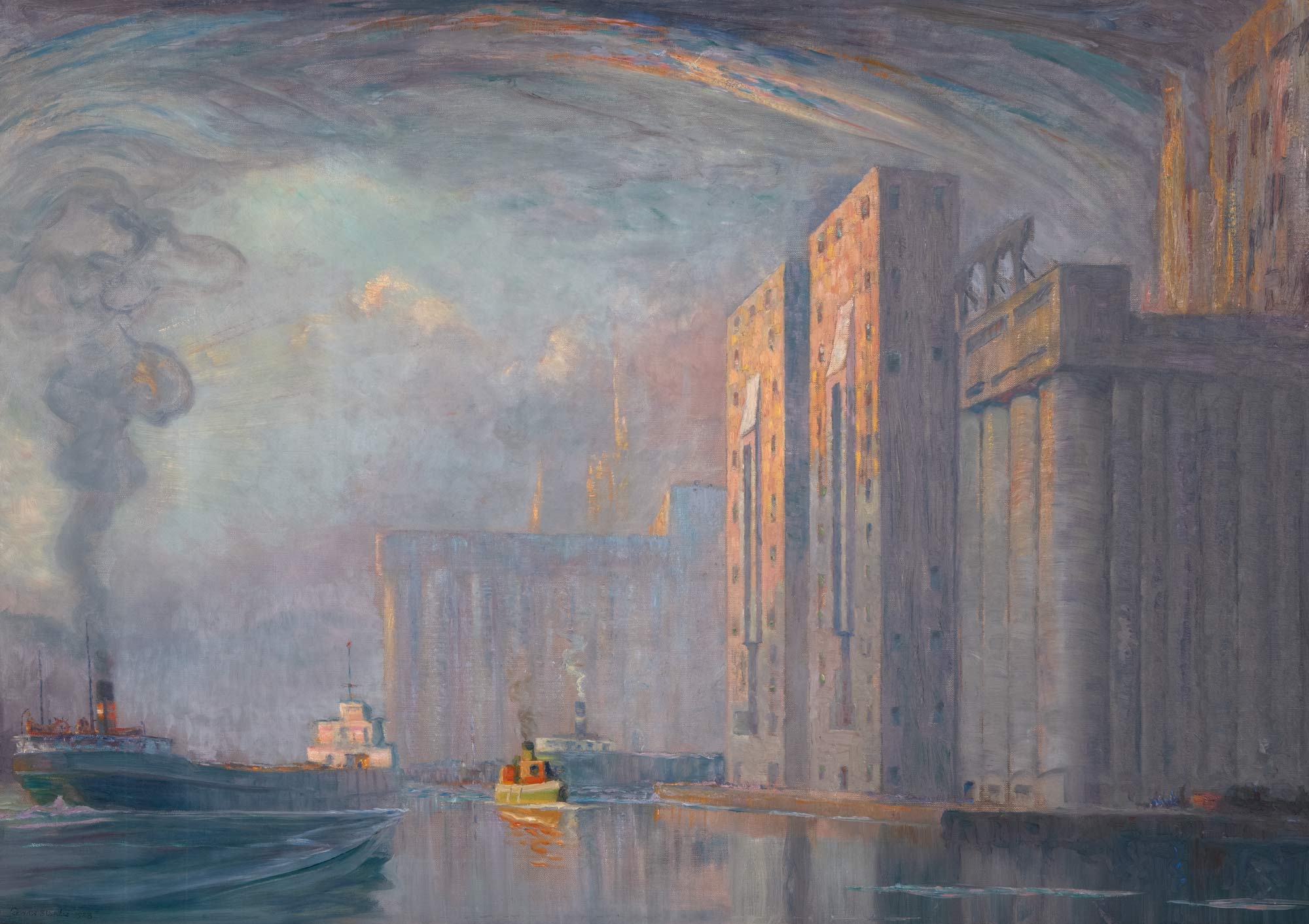
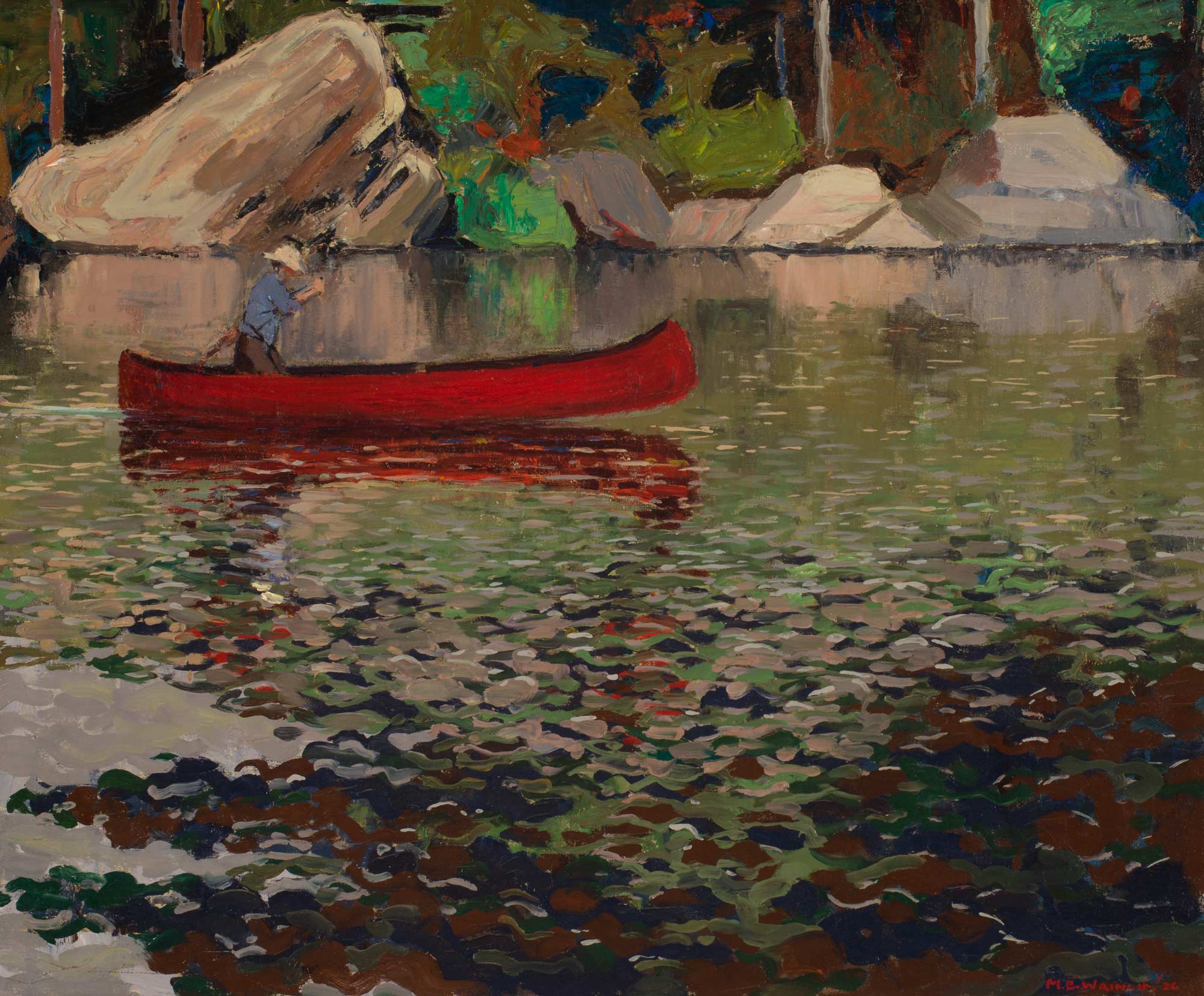
The club held monthly meetings and organized exhibitions, musical events, and lectures. It began acquiring paintings after the First World War, making its first purchase, Vacation Days, c.1920, by Frederick S. Challener (1869–1959) on the recommendation of Sir Edmund Walker, one of Canada’s leading art patrons, and Charles T. Currelly, the first director of the Royal Ontario Museum. The WEC focused much of its efforts on introducing Regina’s residents to artists from outside Saskatchewan, hosting exhibitions organized by the Ontario Society of Artists and acquiring paintings by Marion Long (1882–1970), George Agnew Reid (1860–1947), Owen Staples (1866–1949), and Mary E. Wrinch (1877–1969). The paintings remained on permanent display at Regina College and Darke Hall until 1953, when the collection was transferred to the Norman MacKenzie Art Gallery.
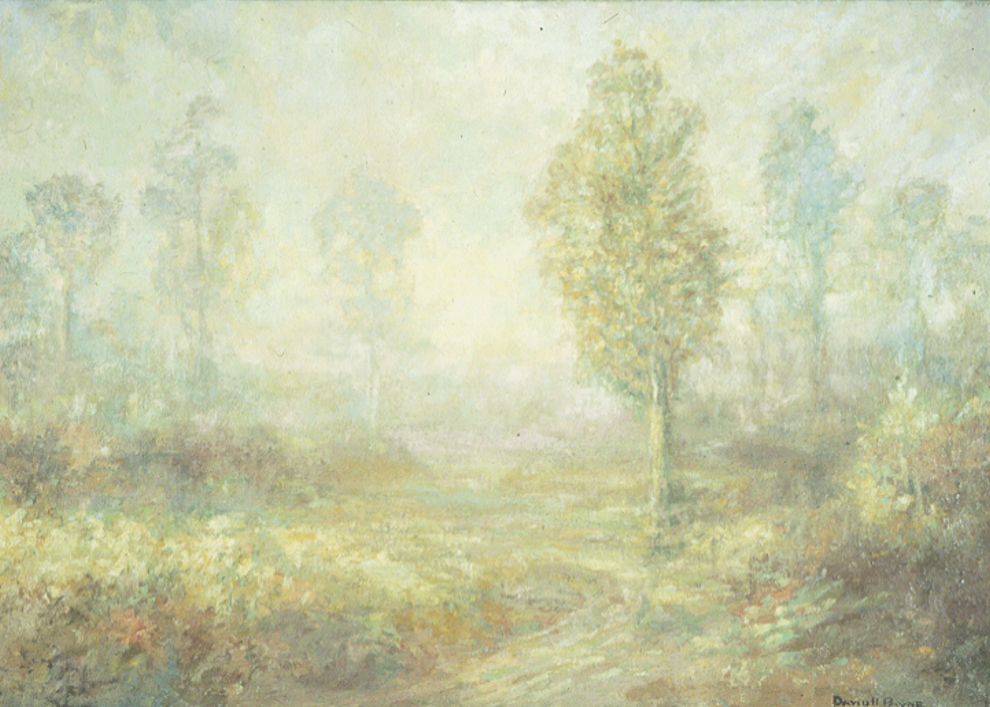
David H. Payne, Last Mountain Storm, 1925, oil on canvas, 50.9 x 71.8 cm, MacKenzie Art Gallery, Regina.
The LCW’s Fine and Applied Arts Committee was formed in January 1920 with the aim of promoting visual arts in the city. Led by Barbara Barber (1873–1966), Ethel Barr (1882–1963), Dorothea Sheldon-Williams (1873–1938), and others, the committee focused on presenting exhibitions, hosting travelling shows, and—in contrast to the WEC—building an art collection that concentrated on local artists.
The committee’s first exhibition, held at Regina College in October 1920, featured a large selection of Canadian and European paintings owned by local collectors and attracted more than one thousand visitors on its first day. The committee changed course in 1922, when it ceased curating private collection exhibitions in favour of an annual show of works loaned by Saskatchewan artists. The 1922 exhibition, held at City Hall, included more than 160 works, a large number of them by local artists, including James Henderson, Harriette Keating, and David H. Payne (1890–1950). The annual exhibition continued to be a regular part of the committee’s activities for more than two decades.
With the aim of eventually opening an art gallery, the Fine and Applied Arts Committee purchased paintings using funds raised from exhibitions, lectures, and other events. The committee’s acquisitions mainly benefited local artists and were prominently displayed in the Regina Public Library or in local schools.
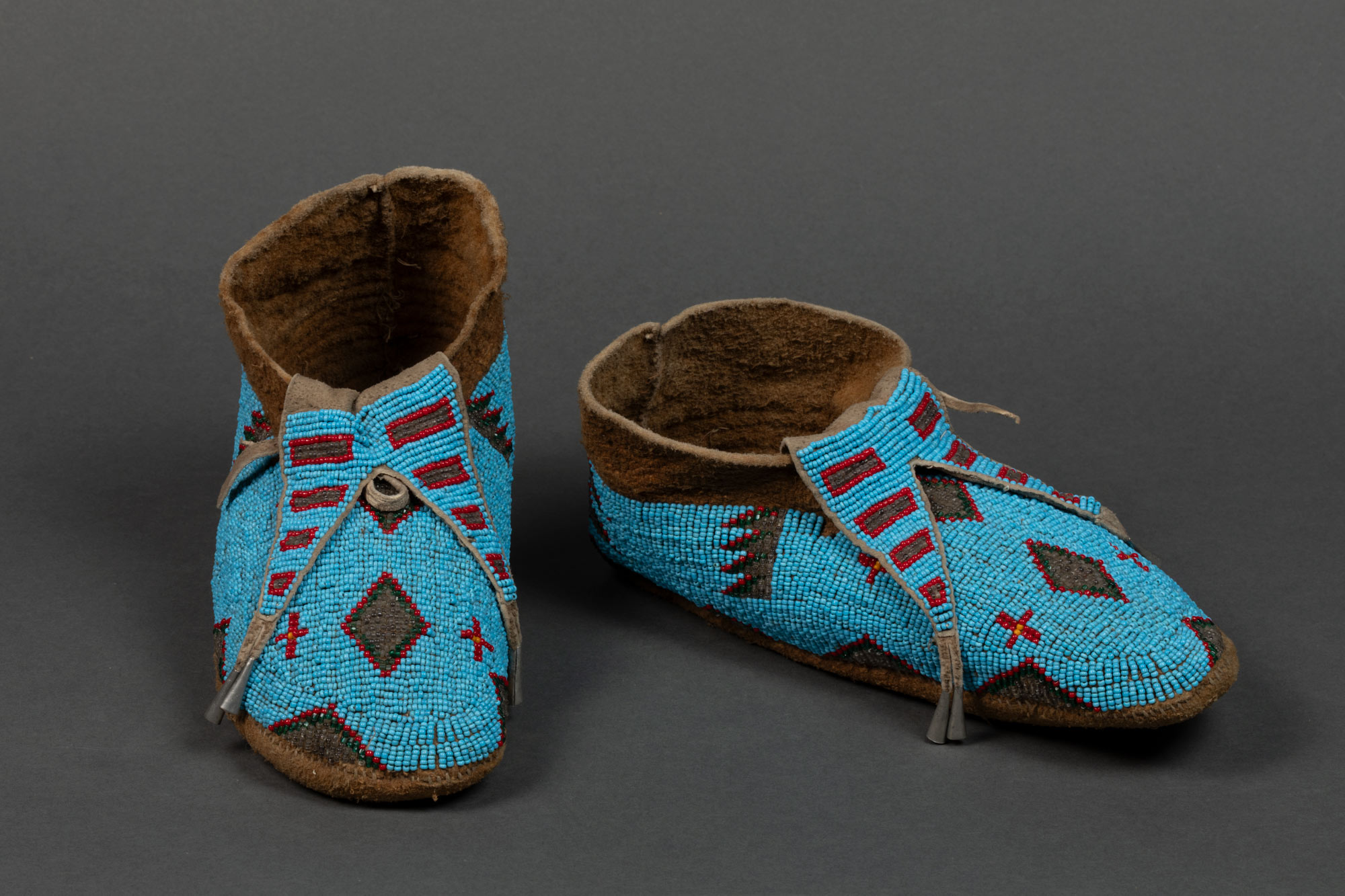
In 1931, the Fine and Applied Arts Committee changed its name to the Arts and Letters Committee and began to function as a study group whose focus included Canadian literature and the collecting of historical documents and Indigenous artifacts for research purposes. Two years later, with the help of Saskatchewan author Mary Weekes, the committee purchased a collection of beaded Cree belts, moccasins, and other items as a donation to the Saskatchewan Legislative Building for eventual transfer to a future provincial museum. In 1953, the committee transferred its collection of twenty-three paintings—acquired over a period of more than two decades—to the MacKenzie. The committee held its last major event at the Regina Fair in 1955, a special exhibition of works by women artists in celebration of Saskatchewan’s Golden Jubilee.
The WAAS was founded in 1929 by ten women led by Barbara Barber, the former president of the LCW’s Fine and Applied Arts Committee, and Sybil Henley Jacobson, a talented local painter. Dedicated to the promotion of handicrafts as well as fine art, the group organized exhibitions, workshops, and other activities, often with the support of local art collector Norman MacKenzie. It held its first annual exhibition, featuring “paintings and handicraft articles,” in the auditorium of Regina City Hall in September 1929. The association distinguished itself from the Fine and Applied Arts Committee by operating throughout the province, placing greater emphasis on handicrafts and more assertively promoting Saskatchewan art outside the province.
In 1930, the WAAS sent several works to the Canadian National Exhibition in Toronto, including a selection of Saskatchewan handicrafts. In 1933, it organized a large display of the province’s handicrafts for the World’s Grain Exhibition and Conference in Regina, including hand-painted china, quilts, rugs, and wood carving, as well as a concurrent exhibition of miniature paintings by Hilda Stewart (1892–1978) at the Hotel Saskatchewan. With the exception of a few years during the Second World War, the association continued its annual exhibitions until 1948. As members aged and art in the province became increasingly administered through organizations such as the Saskatchewan Arts Board and the MacKenzie, the association was dissolved in 1957.
1922: The Regina Sketch Club
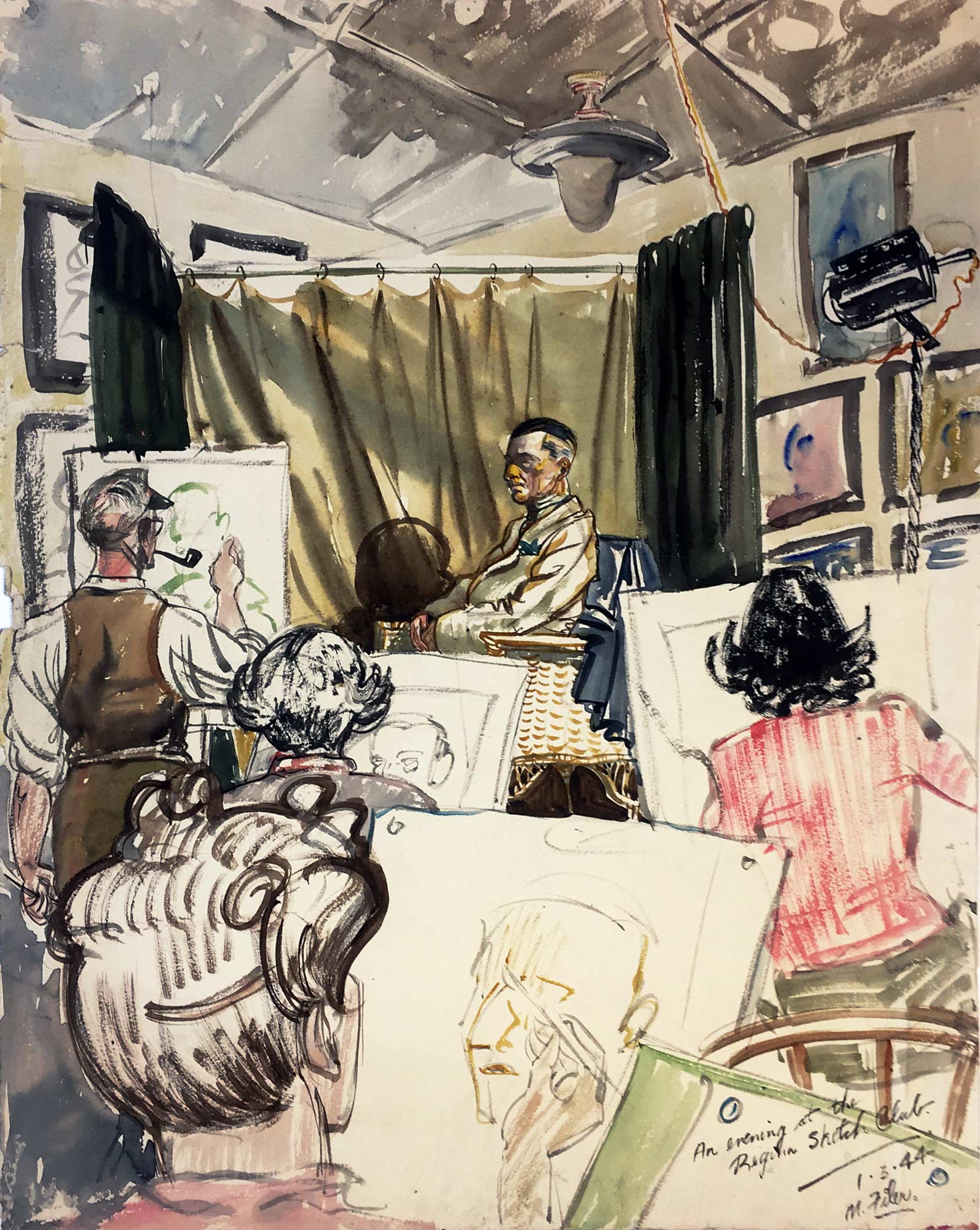
The Regina Sketch Club, the city’s first artist-centred group, thrived during a period when there were few local options for artistic improvement beyond the formal art courses offered at Regina College. First known as the Regina Art Club, the group was founded in 1922 by leading members of the Local Council of Women’s Fine and Applied Arts Committee, including Harriet Keating and Dorothea Sheldon-Williams, along with Joseph Henry Lee-Grayson, artist and instructor at Regina College, and Francis Portnall, one of the city’s leading architects. As with other sketch clubs in Canada, members relied on the criticism of fellow artists rather than instructors.
Sketching sessions were held on Wednesday evenings and Saturday afternoons, first in the Tower Room of Regina College and later in permanent quarters in the attic of the Regina Court House. Except for occasional field trips during summer months to sketch outdoors, sessions usually involved drawing from a live model. To join the club, a person needed to have samples of their work approved by the executive committee. The club seldom exceeded fifteen members throughout its history, a relatively small number in comparison to sketch clubs in other cities in Western Canada, including the Winnipeg Sketch Club, which had approximately seventy-five members.
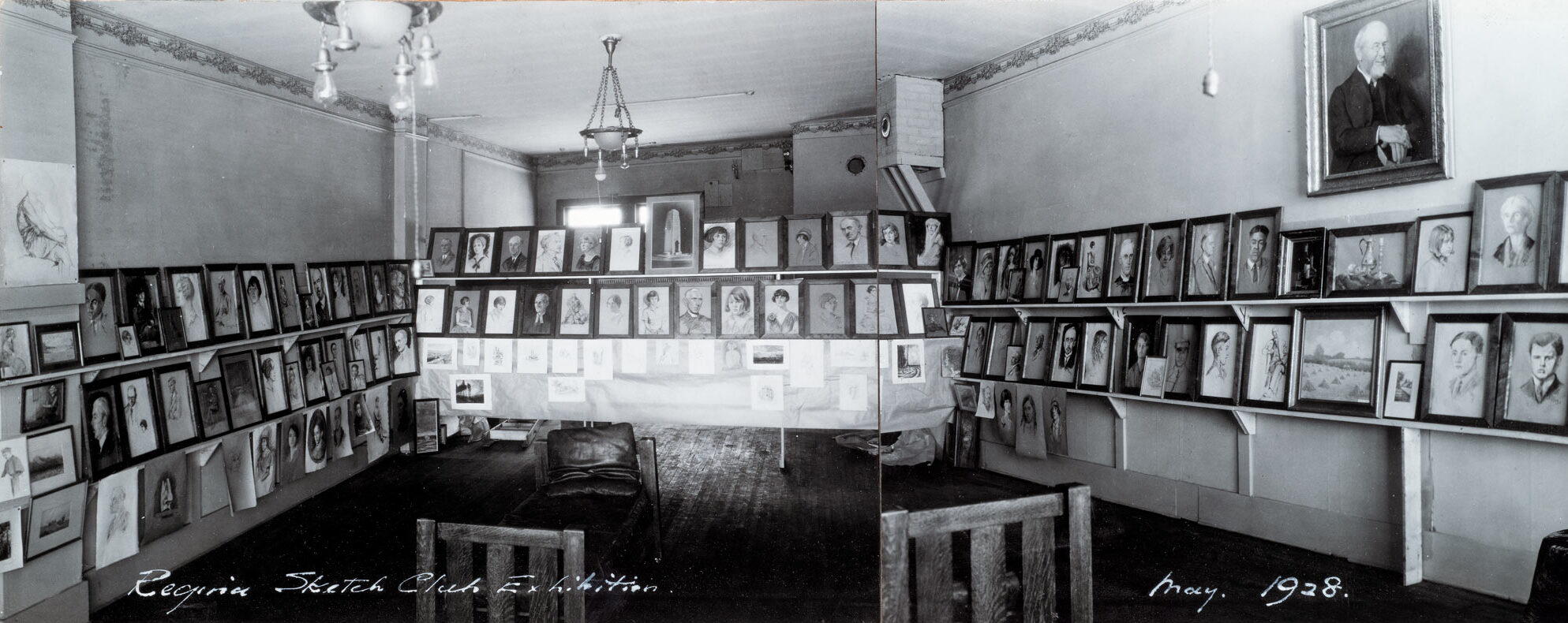
Members of the club’s executive juried the group’s exhibition held annually in May, usually at Regina College or the Regina Public Library. The club’s annual exhibition in 1928, presented that year at the Court House, included a total of 170 works by sixteen members. As was the case for the club’s exhibitions generally, most of the included works were charcoal and pastel portraits and figure studies from live models that had been completed during a single two-hour session. The club made a significant modification in the late 1930s, when it encouraged members to sketch from memory.
Although the Regina Sketch Club was somewhat restrictive in their focus on conventional drawing, it fulfilled its primary goal of providing a space for its members to develop their art in the presence of other artists at a time when there were few opportunities for art instruction in the city. It remained active for more than forty years before disbanding in 1965.
1948: The Saskatchewan Arts Board (SK Arts)
The Saskatchewan Arts Board (SAB), now known as SK Arts, has been at the centre of arts programming in the province since its founding. Formed in early 1948 by the recently elected Co-operative Commonwealth Federation (CCF) government, the SAB was the first arts council of its kind in North America. Broadly speaking, its purpose—in line with the CCF’s ideals—was to democratize the arts through adult education and grassroots community outreach. As outlined in its first annual report, the SAB’s mandate was “to make available to the citizens of the province greater opportunities to engage in creative activities in the fields of drama, visual arts, music, literature, and handicrafts, with qualified guidance and leadership, and to establish and improve the standards for such activities in the province.”
David C. Smith, who was hired by the CCF in 1946 to lead the adult division of the Saskatchewan Department of Education, was a pivotal figure in the SAB’s formation. One of Smith’s first decisions was to hire Norah McCullough (1903–1993) to manage the organization’s operations. McCullough had previously worked at the Art Gallery of Toronto (now the Art Gallery of Ontario) with Arthur Lismer (1885–1969) and later at the National Gallery of Canada.
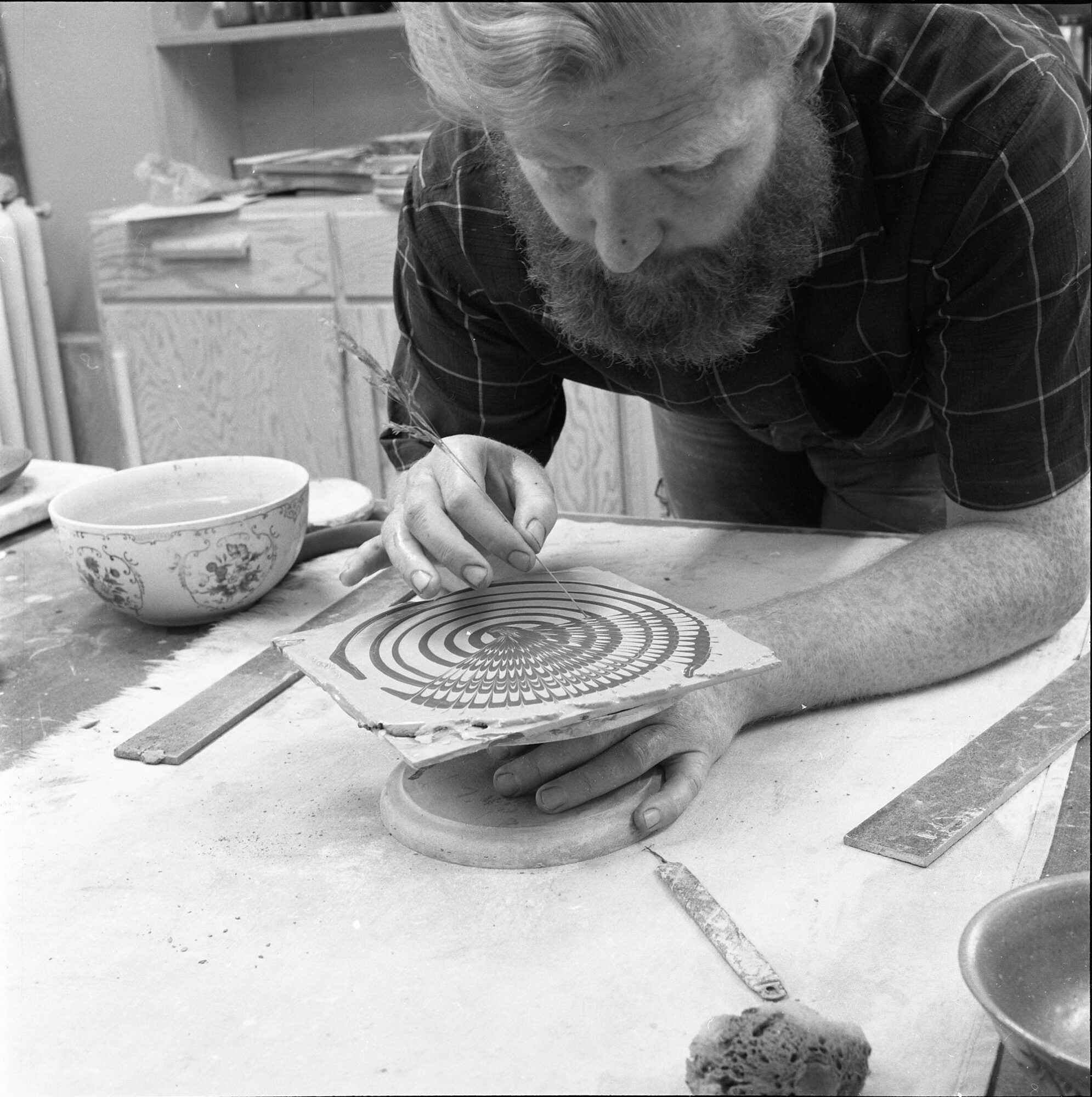
With McCullough’s guidance, the SAB developed and circulated a rich program of art exhibitions, including an annual exhibition between 1950 and 1965, concerts, drama productions, films, and lectures to small towns and farm districts in every corner of the province. Handicraft festivals and workshops led by experts celebrated Saskatchewan’s Norwegian, Danish, and Ukrainian communities, among many others. In 1954, the SAB converted a rectory in Fort Qu’Appelle into a studio for pottery workshops to be taught by an artist who lived and worked on the premises. David Ross (1925–1974) was the second artist to occupy the studio, which was named Craft House, working there from 1956 to 1961 while also travelling throughout the province to give lectures and workshops on behalf of the SAB. Ross would later purchase Craft House and join Folmer Hansen (1930–2014) in forming the Hansen-Ross Pottery Studio.
In 1968, the SAB launched a one-year artist-in-residence pilot project in Weyburn, Saskatchewan, selecting Wayne Morgan, a former resident and graduate of the art program at Regina College, as the first artist. Having organized exhibitions as part of his residency, the project had immediate professional benefits for Morgan. After completing the program, he took on the important role of director of the Regina Public Library’s art gallery, later known as the Dunlop Art Gallery.
Almost from its beginning, the SAB started building a permanent collection of art created in Saskatchewan, including folk art and handicrafts. Most of the SAB’s purchases were made at its annual exhibition; the first was held in 1950, when it acquired McGregor Hone’s By the Radio, 1950. After McCullough’s departure in 1958, a succession of dedicated directors, including Donald Harvey, N. George Shaw, Vern Bell, and Joy Cohnstaedt, among others, have maintained the high calibre of support for Saskatchewan’s artists. Currently led by Lisa Bird-Wilson, the organization’s first Indigenous chief executive officer, SK Arts continues to add to the largest public collection of Saskatchewan art, which today includes more than 3,700 works by 850 artists in all media.
1953: The Norman MacKenzie Art Gallery (MacKenzie Art Gallery)
The Norman MacKenzie Art Gallery opened its doors in 1953. The city’s first public art gallery, it was established at the University of Saskatchewan, Regina Campus, seventeen years after Regina lawyer Norman MacKenzie bequeathed to the university his vast art collection and funds for a museum. The gallery enjoyed early success under its first director, Richard Simmins (1924–1999), whose innovative public programming and regular schedule of exhibitions helped persuade the university to expand the gallery to include three floors of exhibition space and administrative and technical areas, as well as studio and office space for the Regina College School of Art. The expansion, designed by architect Kiyoshi Izumi, received an honourable mention for a Massey Medal for Architecture.
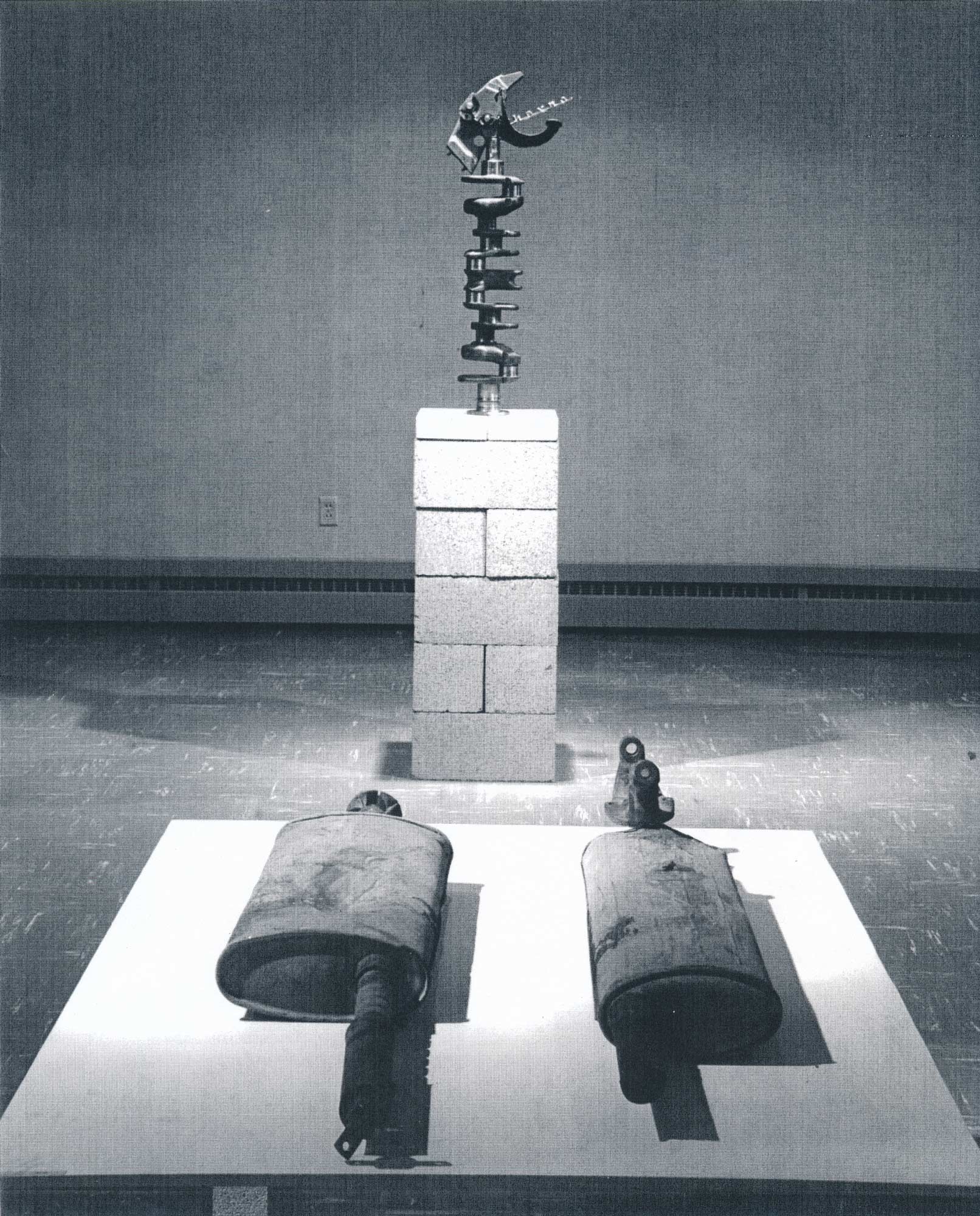
Simmons was succeeded by Ronald Bloore (1925–2009), who expanded the gallery’s collection with several bold acquisitions, including Mother and Child II, 1945, by British sculptor Jacques Lipchitz (1891–1973) and The Return of the Sun, 1961, by Inuk printmaker Kenojuak Ashevak (1927–2013). Several exhibitions curated by Bloore challenged Regina’s conservative art establishment. Chief among them was a 1960 show of nineteen sculptures constructed of found materials by a fictitious woman sculptor named Win Hedore. Later that year, The May Show presented, for the first time, nonrepresentational works by seven artists, five of whom would go on to participate in the groundbreaking Five Painters from Regina held at the National Gallery of Canada in 1961.
Nancy Dillow (1928–2021) became the gallery’s director following Bloore’s resignation in 1967. During her tenure, Dillow maintained the forward-looking acquisition policy spearheaded by Bloore while furthering the gallery’s commitment to contemporary art in the province through exhibitions such as John Nugent & Ted Godwin, 1971, and New Clay in Regina, 1974. In 1971, Dillow, with assistance from the Canada Council for the Arts and the University of Saskatchewan, inaugurated the Community Program, an experiment in “bringing art to the people.” The Community Program provided exhibitions, including the first travelling exhibition, Saskatchewan: Art and Artists, and other programming to communities in southern Saskatchewan.
Carol Phillips, who had been hired in 1975 to coordinate exhibitions and manage the community program, was named director in 1979. Under her leadership, the gallery made significant strides in its representation of Indigenous art. Prior to being named director, Phillips had co-curated 100 Years of Saskatchewan Art, 1975, the first instance of a public art gallery in Canada showing traditional Indigenous objects as fine art. In 1981, she organized the first exhibition of Inuit art from the collection of Morris (1917–2004) and Jacqueline Shumiatcher (1923–2021). The following year, she hosted the first exhibition of contemporary Indigenous art in North America, New Work by a New Generation, which featured works by fifteen Indigenous artists from throughout North America and Mexico, including two based in Regina: Bob Boyer (1948–2004) and Edward Poitras (b.1953). Following the exhibition, Phillips purchased paintings by Boyer and Poitras—the first works by contemporary Indigenous artists acquired for the MacKenzie’s permanent collection.
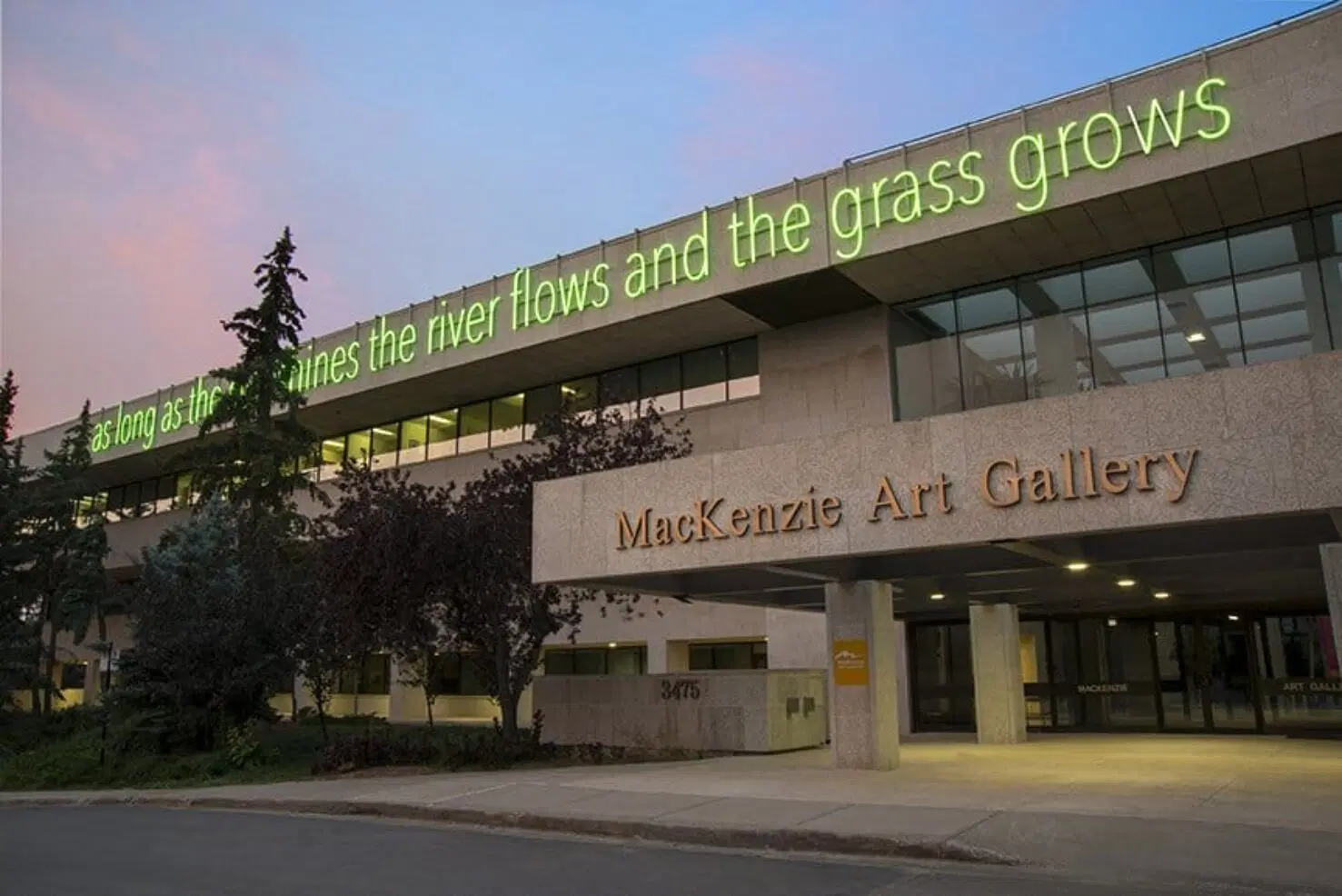
Realizing that the MacKenzie had outgrown its original building, Phillips began the process of finding a larger and better-equipped location for the gallery while also transforming the institution into a public, non-profit corporation. Her efforts to find a new home for the gallery came to fruition under her successor Andrew Oko (b.1946), who oversaw the gallery’s move to a new space in 1990 within the T.C. Douglas Building in the southern part of Wascana Park.
Under the leadership of successive directors, including Stuart Reid (b.1953), and Anthony Kiendl (b.1968), the MacKenzie continued to present groundbreaking exhibitions and curatorial initiatives in its new location. In 1998, under the direction of Kate Davis (1951–2010), the MacKenzie hired the first Indigenous head curator of a public art museum in Canada, Lee-Ann Martin (b. 1948, Mohawk, Tyendinaga Territory), who organized the exhibition The Powwow: An Art History in 2000 along with Boyer. Michelle LaVallee (b.1977), an Ojibway member of the Chippewas of Nawash Unceded First Nation in Cape Croker, Ontario, served as curator at the MacKenzie between 2007 and 2017, organizing several major exhibitions, including 13 Coyotes: Edward Poitras, 2012, and 7: Professional Native Indian Artists Inc., 2013, a retrospective exhibition of works by Jackson Beardy (1944–1984), Eddy Cobiness (1933–1996), Alex Janvier (1935–2024), Norval Morrisseau (1931–2007), Daphne Odjig (1919–2016), Carl Ray (1943–1978), and Joseph Sanchez (b.1948).
-
Allen Sapp, The Pow-Wow, 1987
Acrylic on canvas, 101.6 x 152.4 cm
MacKenzie Art Gallery, Regina
-
Bob Boyer, A Seven Arrow Storm, 1984
Oil over acrylic on blanket, 190.5 x 230.4 cm
MacKenzie Art Gallery, Regina
-
Kenojuak Ashevak, The Return of the Sun, 1961
Colour stonecut on paper, 61 x 91.4 cm
MacKenzie Art Gallery, Regina
In 2021, the MacKenzie Art Gallery appointed John G. Hampton as the first Indigenous director and chief executive officer of a Canadian museum. The gallery’s collection of over four thousand works reflects a commitment to diversity, with special collections including contemporary Indigenous art, Saskatchewan folk art, nineteenth- and twentieth-century European works on paper, and Canadian photography.
1955: The Emma Lake Artists’ Workshop
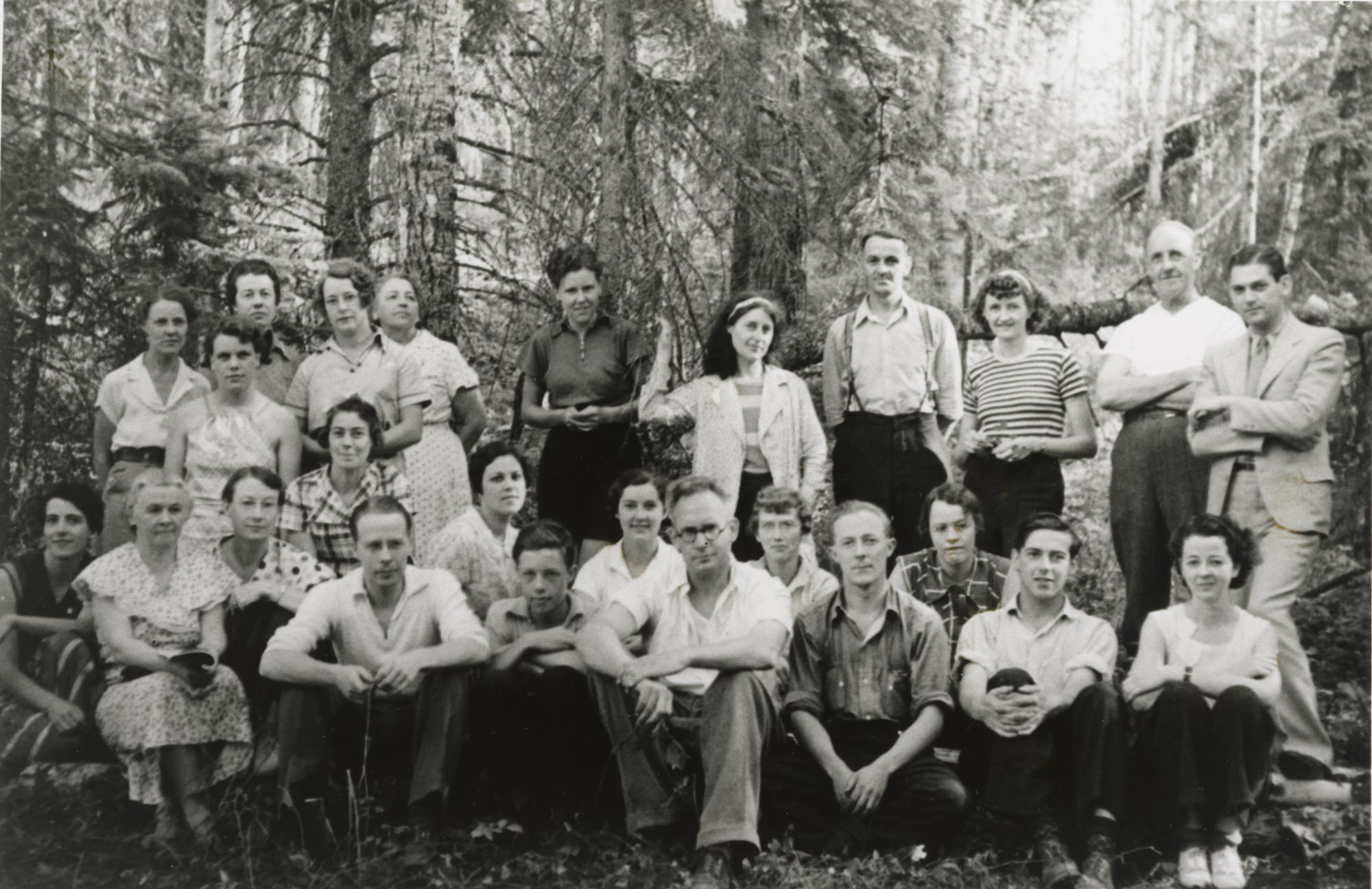
With the opening of the Murray Point Summer School of Art on the northern edge of Emma Lake in 1936, the University of Saskatchewan became the first Canadian university to establish an outdoor art school. The school went on to provide training to generations of art teachers and artists, including nationally acclaimed Saskatchewan creators such as McGregor Hone, Wynona Mulcaster, and Ruth Pawson (1908–1994). Nearly twenty years later, in 1955, Regina College professors Kenneth Lochhead and Arthur MacKay persuaded the university to open the Emma Lake Artists’ Workshop on the same site. Receiving generous financial support from the Saskatchewan Arts Board, this two-week workshop for professional artists reached its apogee in the late 1950s and early 1960s, when Regina artists responded to the modernist currents transforming art in Canada and the United States. Their responses marked Regina’s reputation as a crucial centre of Canadian art.
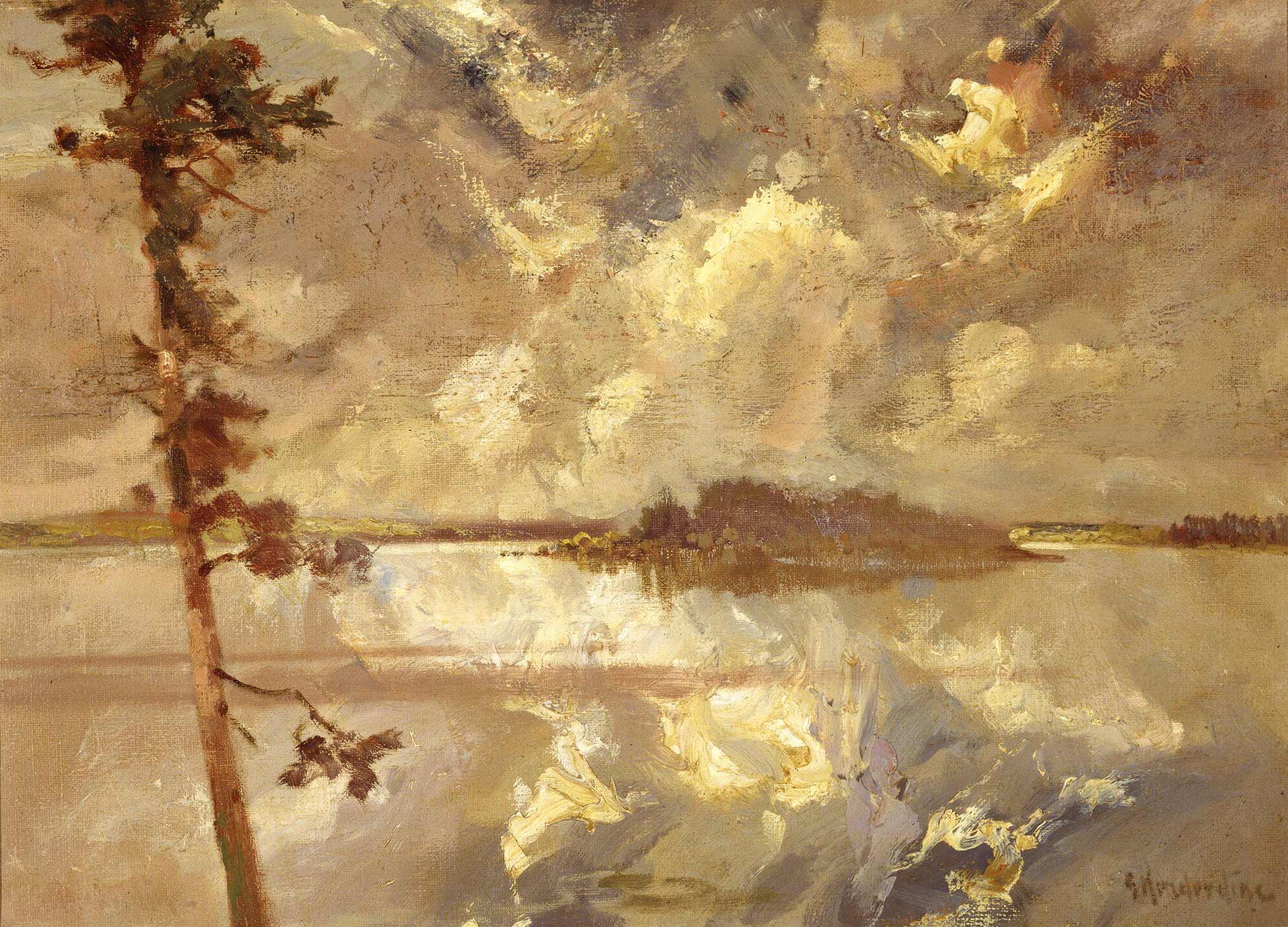
The prime mover behind the original summer school was Augustus Kenderdine, who had been associated with the university since 1922. Captivated by Saskatchewan’s northern forests and lakes, Kenderdine had begun spending his summers at Emma Lake in the early 1930s, painting works such as Reflections, Emma Lake, c.1934. He proposed establishing a summer camp near the lake to Walter C. Murray, president of the University of Saskatchewan. Intrigued by the idea, Murray appointed Kenderdine to direct the summer school and instruct students in plein air painting. Gordon Snelgrove, the first professional art historian in the province, was hired shortly thereafter to contribute lessons in art history and art appreciation. The emphasis at the school was on methods of teaching art in schools, and most of those who attended during the early years were teachers (mostly women), a few of whom went on to become well-known artists in the province.
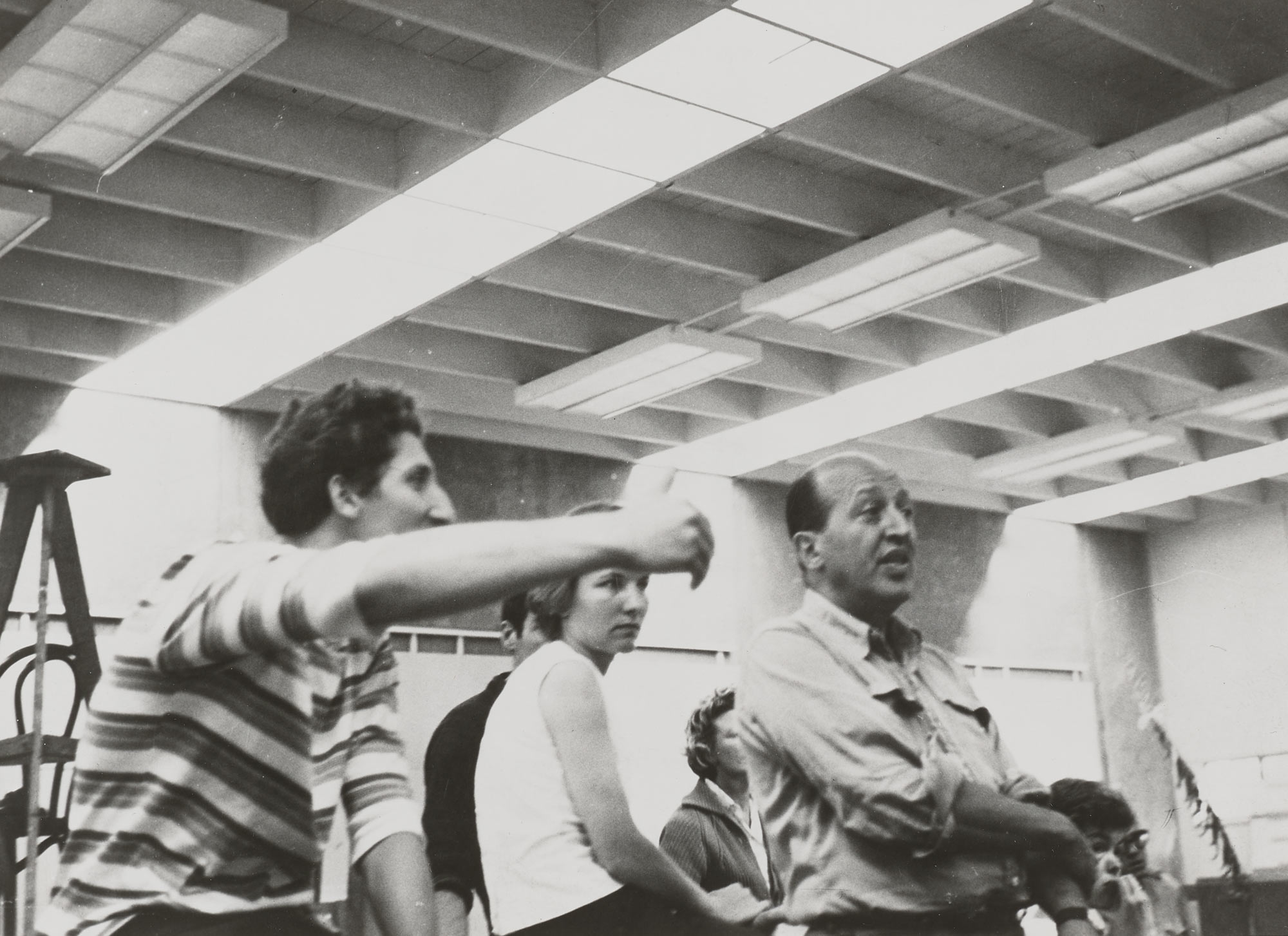
The Emma Lake Artists’ Workshops that began in 1955 were held on the same site in August, following the summer classes. Meant to strengthen ties to the art world beyond Saskatchewan and encourage creative experimentation, the internationally acclaimed workshops were taught by leading modernist artists and art critics, including in the early years Canadians Jack Shadbolt (1909–1998) and Joseph Plaskett (1918–2014), as well as Americans Will Barnet (1911–2012) and Barnett Newman (1905–1970). Their promotion of abstraction as the modernist ideal did much to broaden the outlook of many of those who attended and prompted the artists who later came to be known as the Regina Five to take up nonrepresentational painting in the late 1950s.
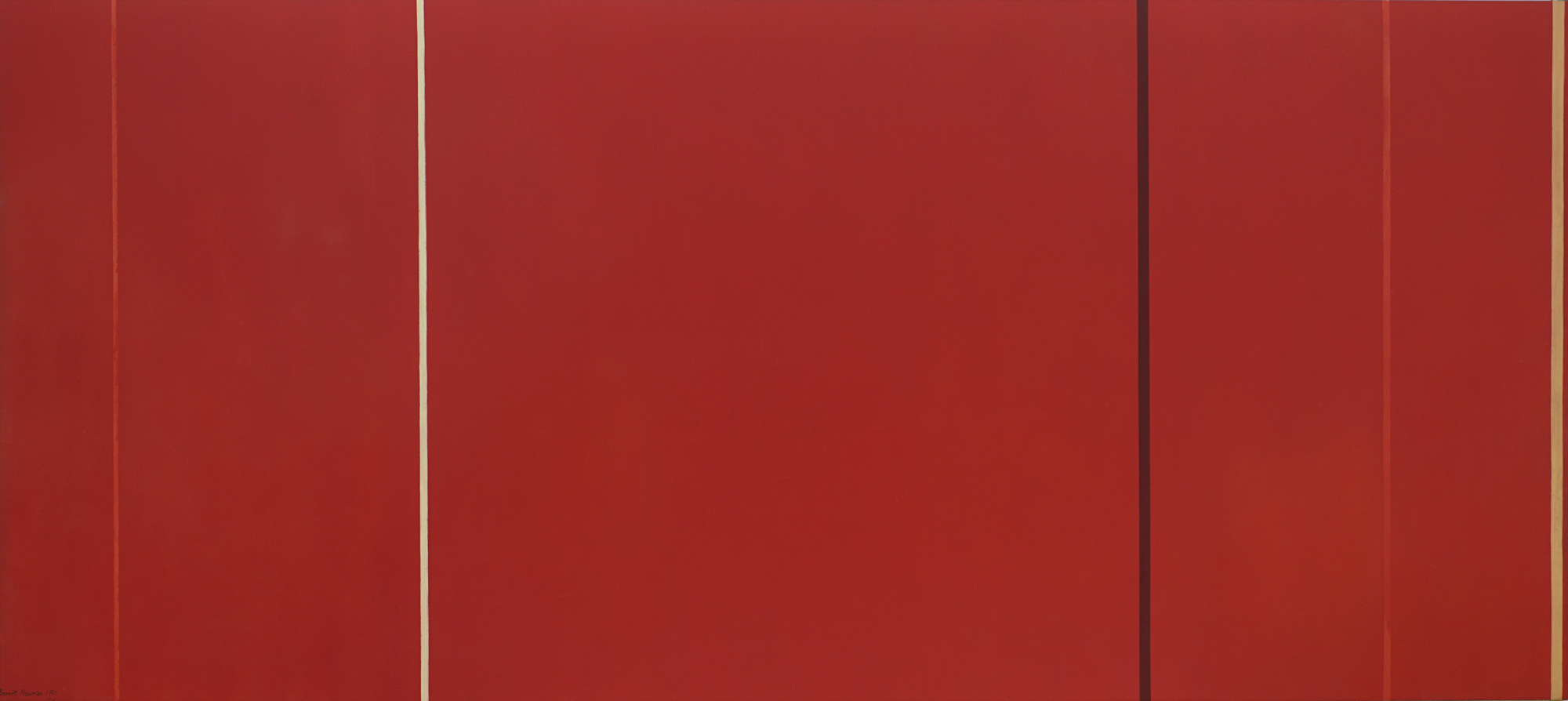
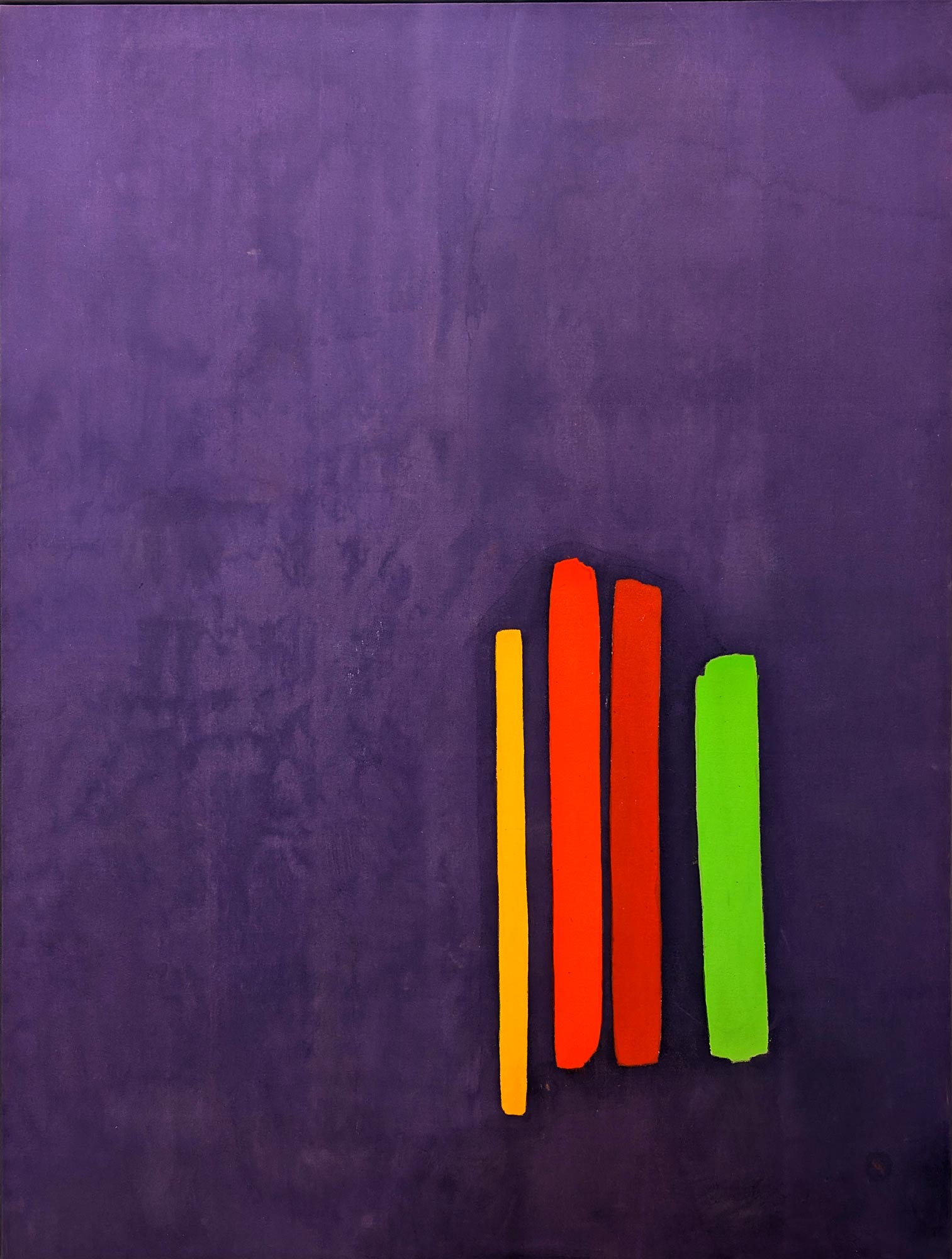
The workshops were an important catalyst for modern art in Saskatchewan throughout the 1960s and were well attended by artists from all over the province, including Dorothy Knowles (1927–2023) from Saskatoon. Prominent leaders of the workshops included John Ferren (1905–1970) in 1960 and Hermann Cherry (1909–1992) in 1961, both established artists from New York who were deeply committed to abstraction at that point in their careers. In 1962, art critic Clement Greenberg (1909–1994) led what became one of the most influential workshops held at Emma Lake. Greenberg’s promotion of colour-field painting had a profound impact on Saskatchewan artists such as Lochhead, Douglas Morton (1926–2004), and William Perehudoff (1918–2013).
The reputation of the Emma Lake workshops expanded throughout the 1960s, attracting prominent attendees from outside the province, including Guido Molinari (1933–2004) from Montreal and Toni Onley (1928–2004) from Vancouver. Acclaimed New York artists also continued to lead the workshops, including Kenneth Noland (1924–2010) in 1963, Jules Olitski (1922–2007) in 1964, Frank Stella (1936–2024) in 1967, and Donald Judd (1928–1994) in 1968, all of whom were committed to nonfigurative art. These workshops were a major influence on a second generation of painters in Saskatchewan, such as Robert Christie (b.1946), Bruce Parsons (b.1937), and Joan Rankin (1927–2014).
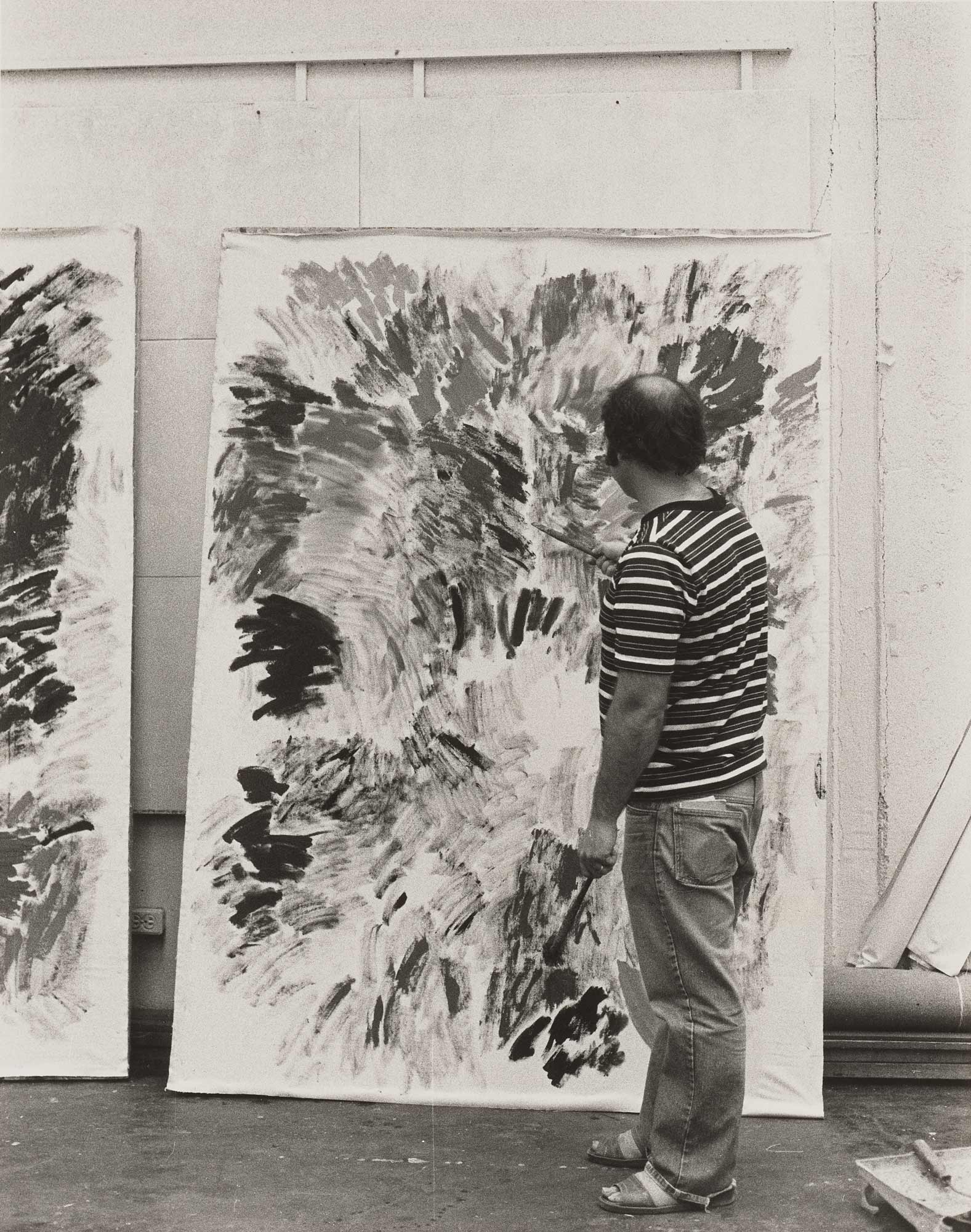
The summer course and the workshop underwent significant changes in the 1970s. After the University of Regina became a separate university in 1974, the Emma Lake program became the responsibility of the head of the University of Saskatchewan’s art department, Otto Rogers (1935–2019), who set up an integrated six-week summer program. Students who wished to take the course for credit were required to attend the entire session, while non-credit students were allowed to take part in one or more of the three courses. Despite a successful 1977 program, which included a memorable workshop led by sculptor Anthony Caro (1924–2013), the courses were cancelled in 1978 due to low enrollment.
Beginning in 1979, the University of Saskatchewan ceased offering courses for credit but continued to run the workshop for professional artists. Workshop leaders that year were artist Friedel Dzubas (1915–1994) and Museum of Modern Art curator John Elderfield, but by that point, many in the art community were beginning to express the view that the best days of Emma Lake had passed. Ronald Bloore, for instance, insisted that the workshops were dead and should not be revived. Nevertheless, despite the momentous changes in the art world, including the advent of new forms such as performance and video, the workshop portion of the Emma Lake program continued until 2012, when the University of Saskatchewan suspended the program for financial reasons.
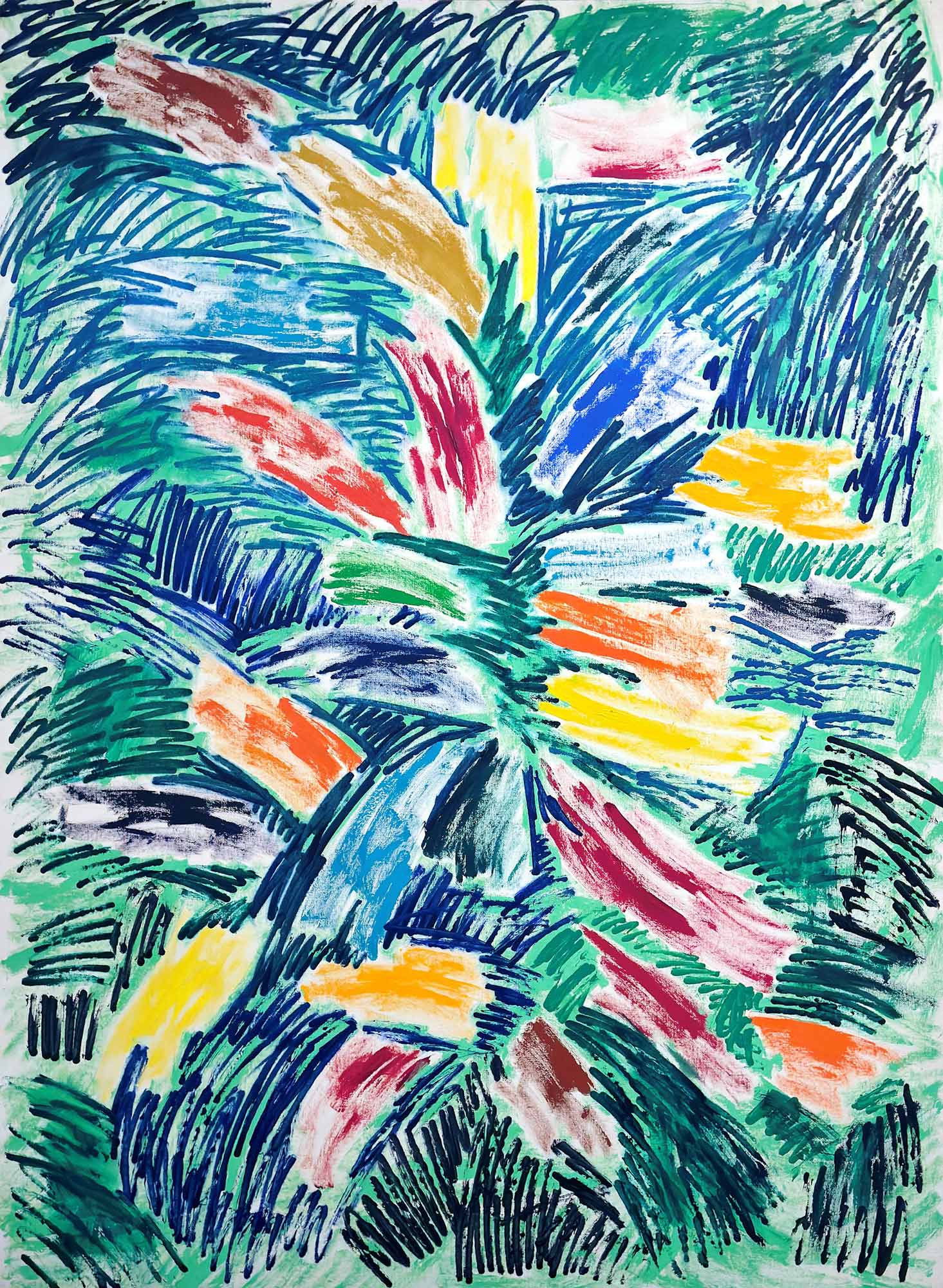
1962: The Dunlop Art Gallery
The Dunlop Art Gallery opened in the new main branch of the Regina Public Library in 1962. Building on the library’s first art purchase in 1948, the Dunlop has continued to maintain a permanent collection of contemporary and historical importance for the people of Regina and the province of Saskatchewan. A succession of director/curators, starting with Wayne Morgan’s appointment in 1970, transformed the small library gallery into a cutting-edge centre for creative investigation. Today, the gallery remains a leader in presenting multidisciplinary programs focused on contemporary art and culture.
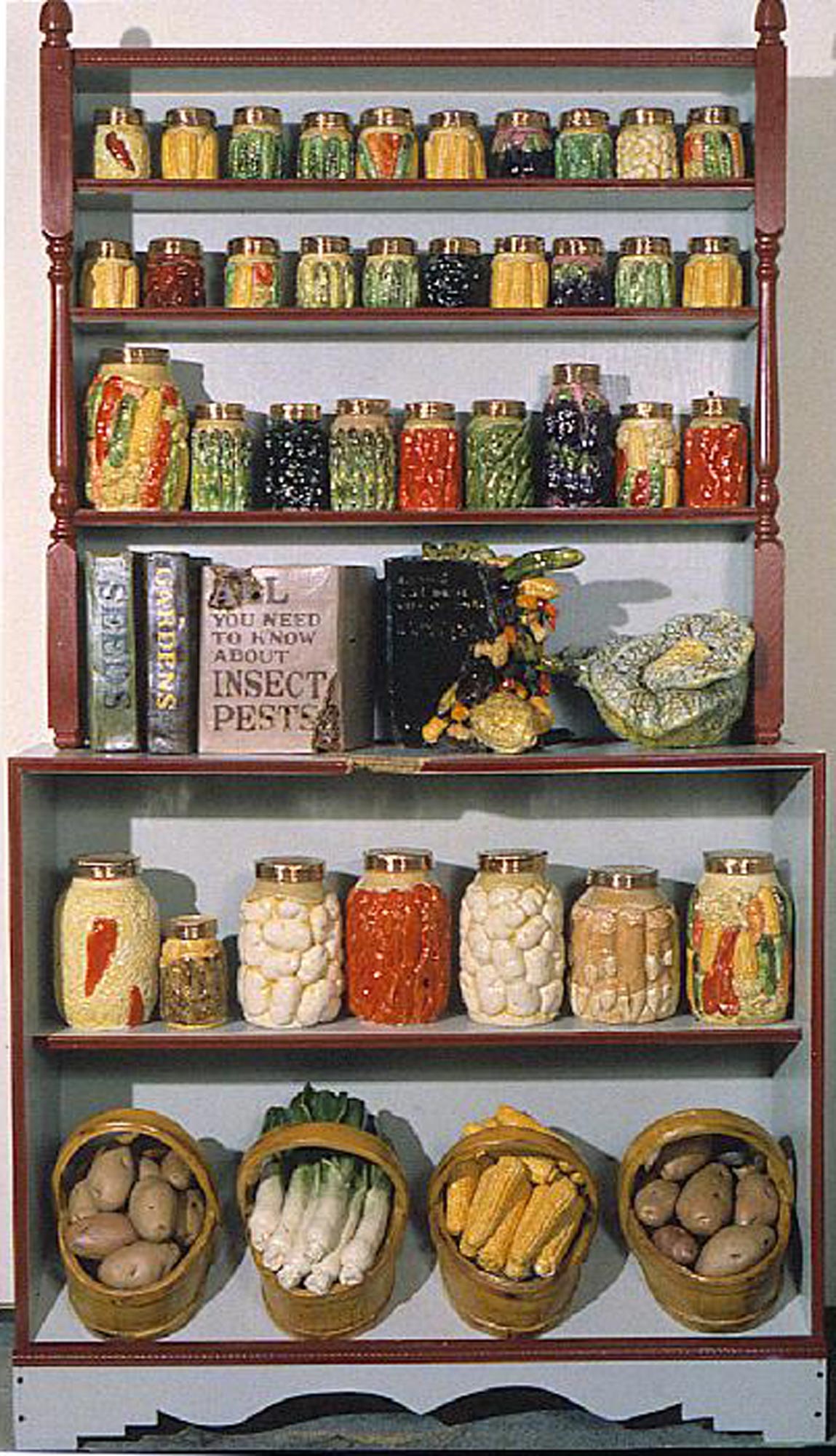
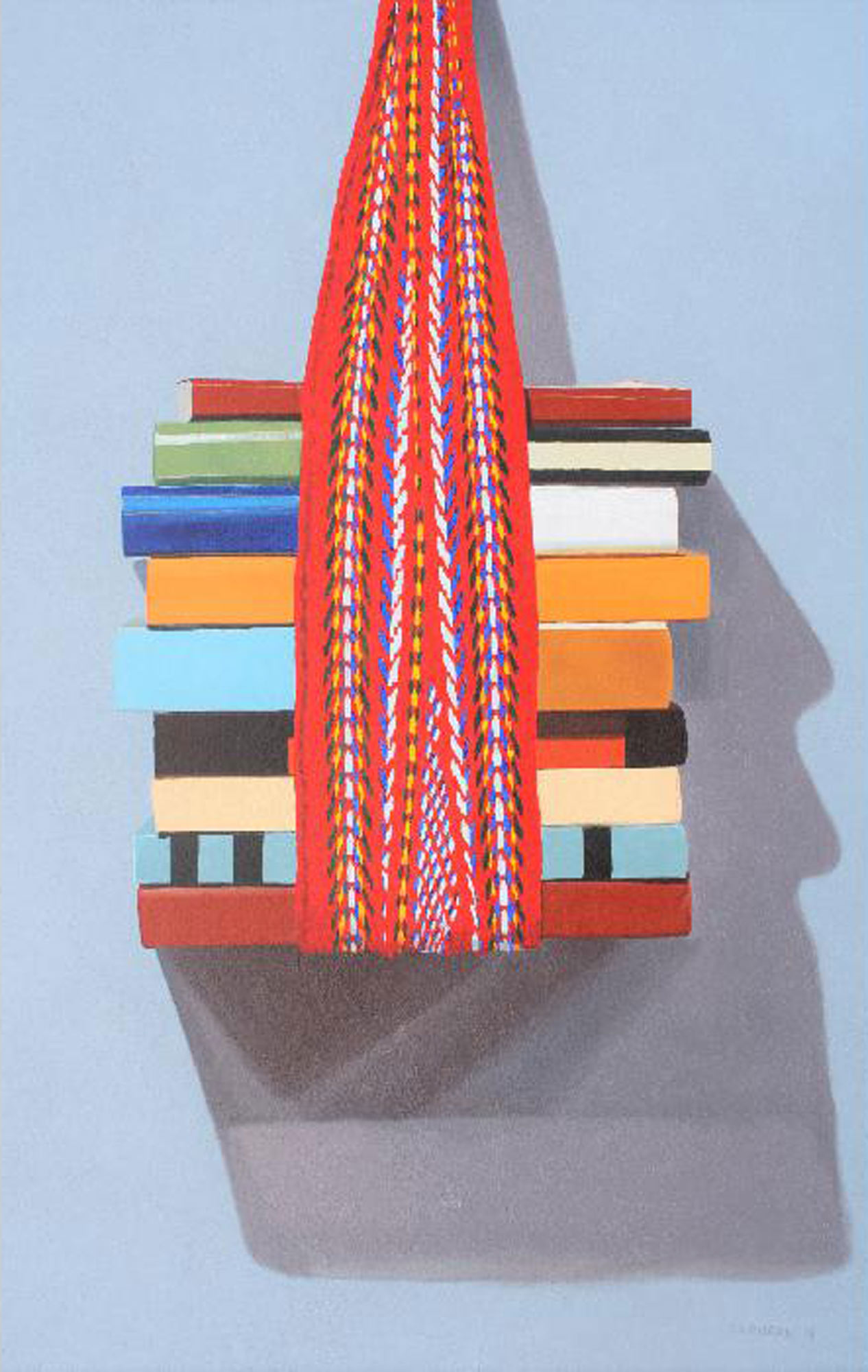
The gallery’s first director was Bruce Parsons (b.1937), a Montreal artist and graduate of the Ontario College of Art (now OCAD University). A participant in Emma Lake workshops led by Kenneth Noland, Jules Olitski, and Frank Stella, Parsons took as his primary focus recent trends in painting, which he promoted through exhibitions of works by Regina Five artists Arthur McKay and Douglas Morton. Though trained as a modernist, Parsons also recognized the emerging experimental ceramic movement known as Regina Clay and exhibited the works of its proponents Victor Cicansky (1935–2025) and Marilyn Levine in 1967. Under Parsons, the Dunlop started one of the first art rental programs in the country, allowing the library’s patrons to borrow paintings, prints, and photographs from the gallery’s collection.
With Morgan as director from 1970 to 1984, the Dunlop professionalized its staff and programming, developing in the process a resource centre and galleries at two branches in the library system. Morgan oversaw an active exhibition program that focused on underrepresented art, including photography, weaving, and quilt-making. Deeply committed to Saskatchewan art from early in his career, Morgan helped refocus contemporary interest around the province’s folk artists. In 1973, he presented Windmills, Wagons and Railroads, which featured works by Cicansky, Fred Moulding (1894–1993), and William McCargar (1906–1980) that are rarely seen in “serious” galleries. Morgan exhibited other purportedly marginal works in shows such as Saskatchewan Quilts, 1972, and Old Bedfellows: Early Saskatchewan Quilts, 1973.
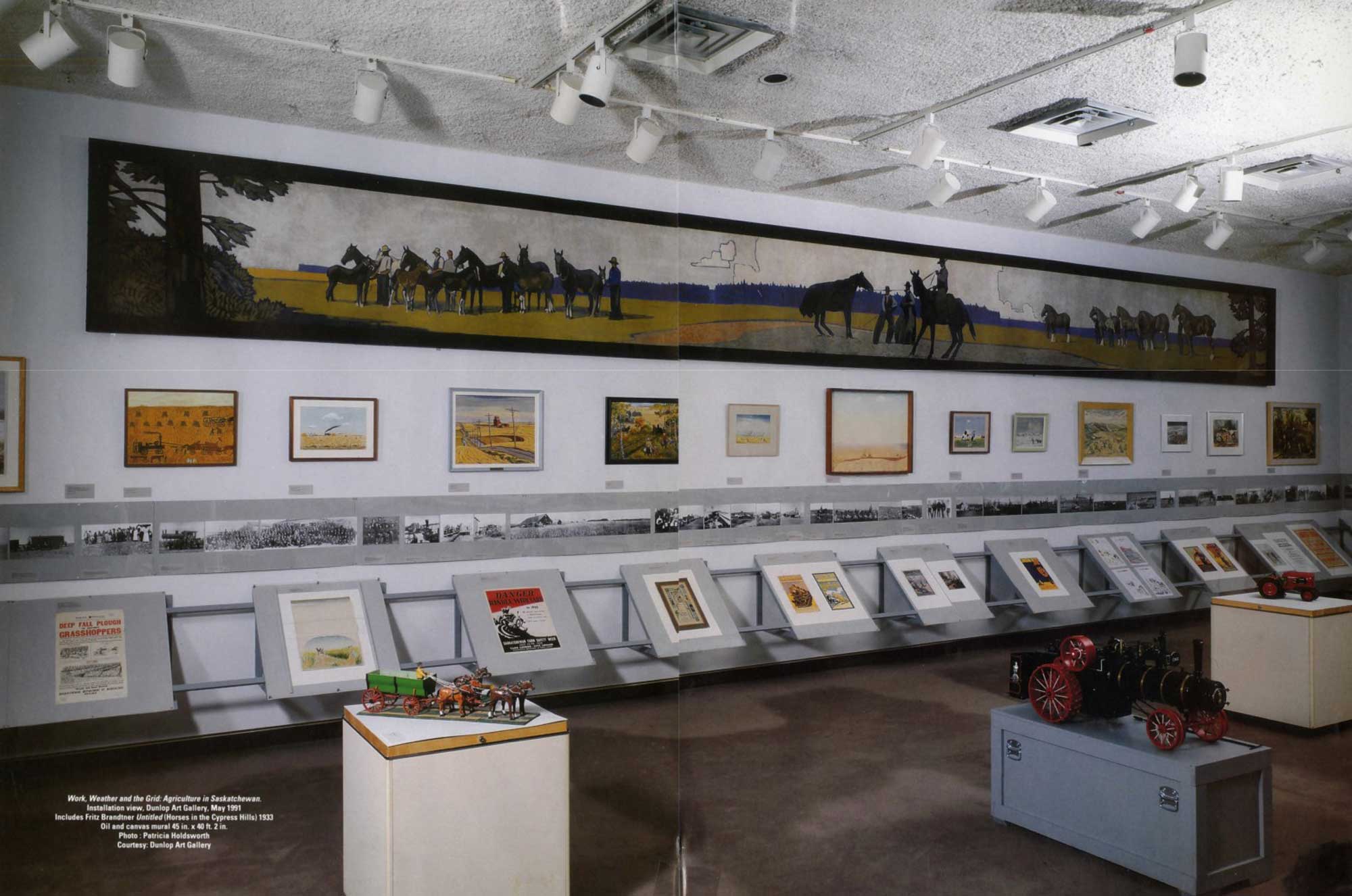
Morgan’s innovative programming and high exhibition standards were continued following his departure in 1984 by a succession of director/curators who turned the small library gallery into a cutting-edge centre for creative investigation. With her appointment in 1991, Helen Marzolf (b.1953) brought in outside curators for many of her exhibitions, including, for example, Rosemary Donegan and Joan Borsa, while also raising the standard of the Dunlop’s publications, including the catalogues for the exhibitions Work, Weather, Grid: Agriculture in Saskatchewan, 1991, Ann Harbuz: Inside Community, Outside Convention,1995, and Taras Polataiko: Scotoma,1998, which was nominated for the Saskatchewan Book Award in 2001. Under her leadership, Marzolf also organized several solo exhibitions of lesser-known Saskatchewan women artists, including Rita McKeough (b.1951) and Leesa Streifler (b.1957).
Since 2020, under the direction of Director/Curator Alyssa Fearon, the Dunlop expanded its programming to focus on the social contexts of art. Recent exhibitions include the excess is ritual, 2023, which focused on the reclaiming of queer rituals and aesthetics; Nadya Kwandibens: The Red Chair Sessions, 2024, an exhibition celebrating the achievement of Indigenous Peoples while disrupting colonial narratives; and BLACK PRAIRIES, 2025, an exhibition honouring the cultural production of Black and African Canadians on the Prairies since the late nineteenth century.
1974: The Rosemont Art Gallery (Art Gallery of Regina)
With a mandate to reach new audiences and respond to community demands for local programming, the Rosemont Art Gallery was established in 1974 as a satellite venue of the Norman MacKenzie Art Gallery. Throughout its history, the gallery has made major contributions to contemporary art in Regina through its longstanding support of emerging artists.
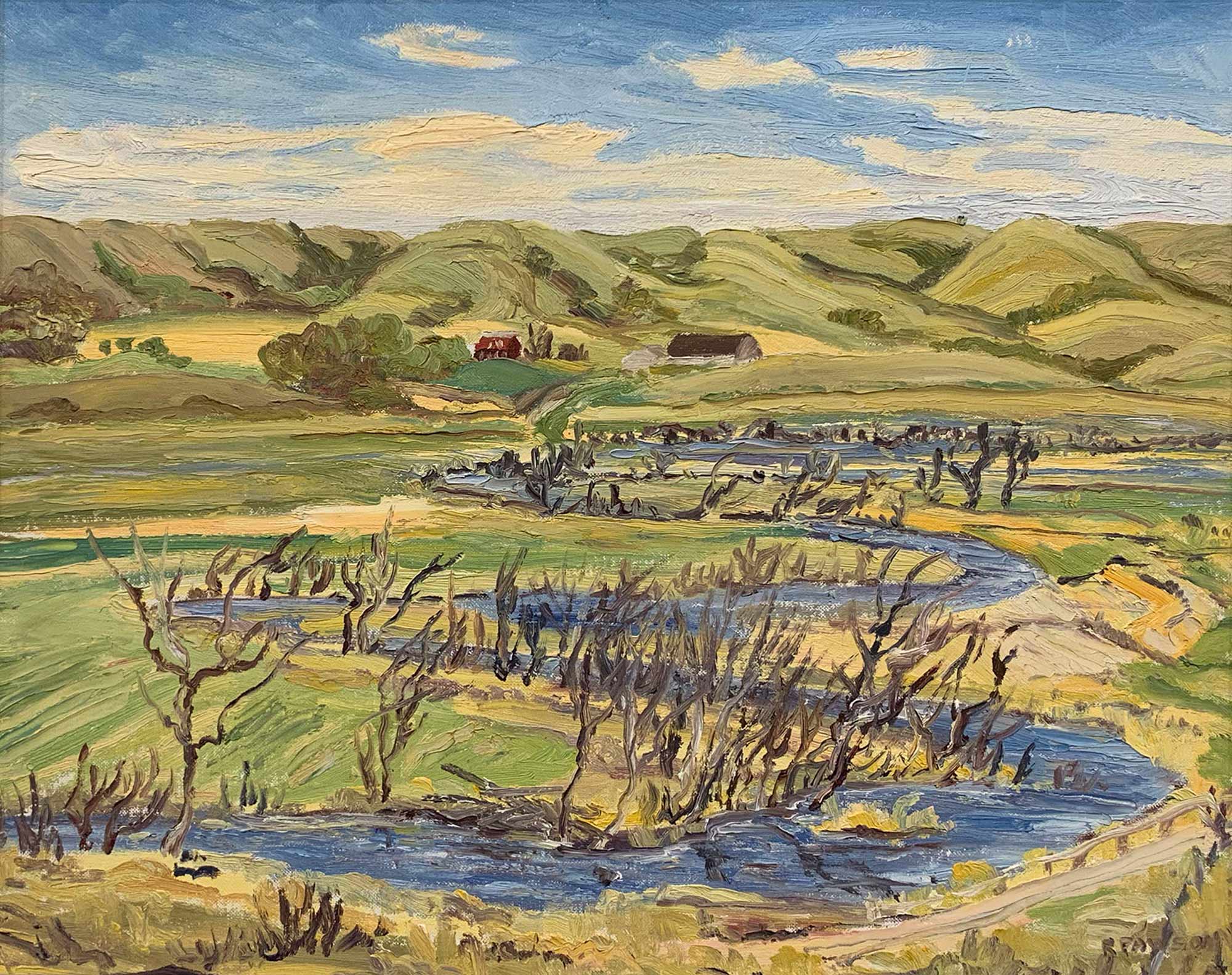
Many of the gallery’s early exhibitions were organized with works from the MacKenzie’s collection. The 1976 exhibition Saskatchewan Discovered: The Qu’Appelle Valley, for instance, featured paintings and photographs by James Henderson, Robert Hurley (1894–1980), Ruth Pawson, and others. The Spirit and Form of Abstraction, a significant survey of twentieth-century abstract art, was organized in 1977, also as part of the MacKenzie’s community-focused programming. With the exception of two works loaned by the Art Gallery of Greater Victoria, the show featured works from the MacKenzie’s collection, including those by Ontario-based Painters Eleven artists Jack Bush (1909–1977) and Harold Town (1924–1990).
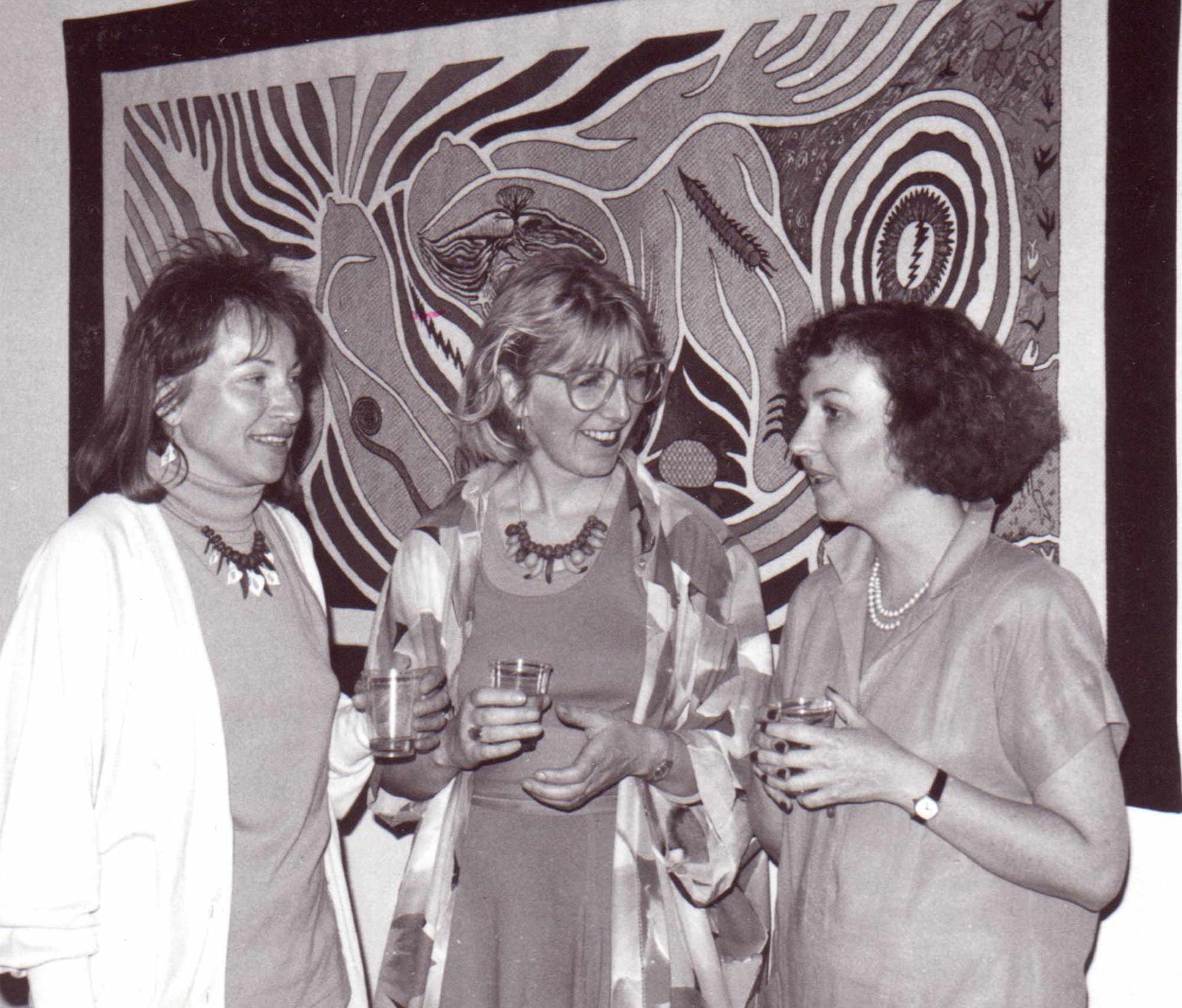
In 1978, the Rosemont organized an exhibition celebrating Regina’s seventy-fifth anniversary, focusing on the artists and organizations that influenced the early development of Regina art, including the Local Council of Women, the Regina Sketch Club, and the Women’s Art Association of Saskatchewan. That same year, Karen Schoonover (b.1952) became the gallery’s first full-time director/curator. Under her direction from 1978 to 2015, the Rosemont organized five or six exhibitions each year, with an increasing emphasis on the work of artists from Western Canada, such as Bob Boyer, David Garneau (b.1962), Nancy Crites (b.1951), Jane Turnbull Evans (1947–1998), Gerald McMaster (b.1953), and Sherry Farrell Racette (b.1952). Occasionally, travelling exhibitions would be featured as part of the gallery’s programming; notably, The Birth Project, an installation by American artist Judy Chicago (b.1939), was exhibited in 1986.
The Rosemont moved to a space within the Neil Balkwill Civic Arts Centre, a studio facility owned and operated by the City of Regina, in 1984. The new location made the gallery more accessible to the public while also allowing it to expand programming, which included workshops, lectures, and school tours. In its new space, the Rosemont continued to produce a remarkable range of exhibitions, including 2003’s Transcendent Squares, a survey of contemporary abstraction in Western Canada.
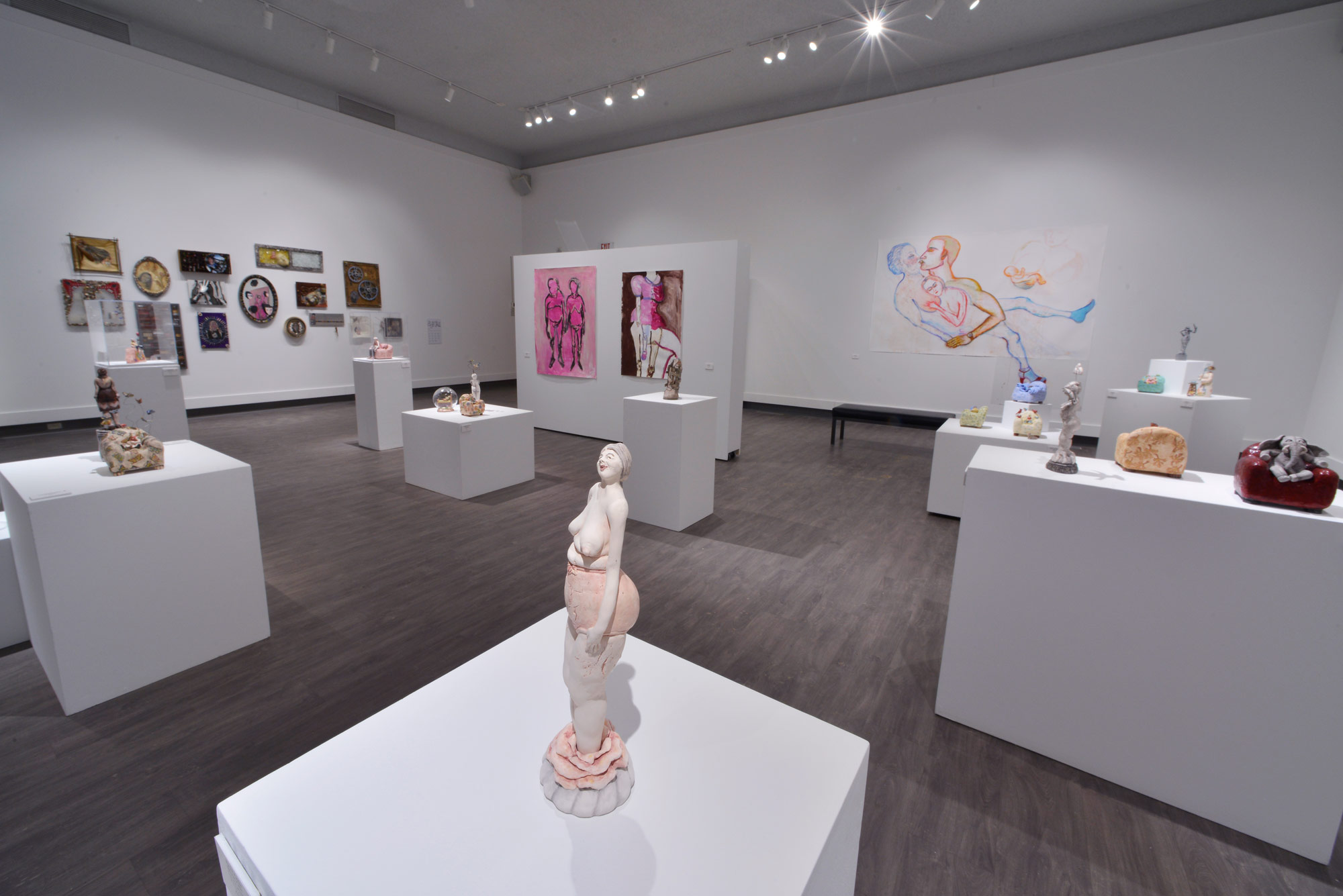
Reflecting its growing status, the Rosemont was renamed the Art Gallery of Regina in 2005. Until she stepped down in 2015, Schoonover continued to develop the gallery as a space to showcase the work of emerging local artists, such as Katherine Boyer, Ruth Cuthand (b.1954), Ayla Dymterko (b.1988), Gabriela García-Luna (b.1963), and Sheila Orr (b.1964). After Schoonover’s departure, Holly Fay served as director/curator, followed by Jess Richter and Sandee Moore. Maintaining its commitment to emerging artists under Moore’s direction, the gallery recently presented an exhibition of ceramics and paintings by Sheila Nourse, Deborah Potter (b.1952), and Leesa Streifler that challenge stereotypes and prejudices toward aging and elder women.
1976: The Saskatchewan Indian Federated College (First Nations University of Canada)
The culmination of many years of determined efforts to improve Indigenous education in the province, the Saskatchewan Indian Federated College (SIFC) was established in May 1976 through an agreement between the Federation of Saskatchewan Indian Nations and the University of Regina. Its stated goal was to serve the academic, cultural, and spiritual needs of First Nations students. Lloyd Barber, president of the University of Regina, was an enthusiastic supporter of the initiative, optimistically remarking soon after its opening that it “just may be one of the most important historical developments in the 65-year history of the university.”
Though situated on the University of Regina campus, the SIFC was responsible for setting its own curriculum and hiring its own faculty and staff. In its first year, the college had nine students. They could choose from programs that included instruction in Indigenous languages, social work, teacher education, fine arts, art history, and social sciences. Ida Wasacase, a leading advocate of Indigenous education, was the first president. The fine arts program encouraged Indigenous artists to reverse the post-treaty trend of making art as souvenir products, aiming to preserve and interpret Indigenous philosophies, including respect for nature. Early instructors in the program included Bob Boyer, Gerald McMaster, and Edward Poitras, all of whom have had a profound impact on Regina’s art world. Among the many outstanding graduates of the college are Sheila Orr and Jerry Whitehead (b.1957).
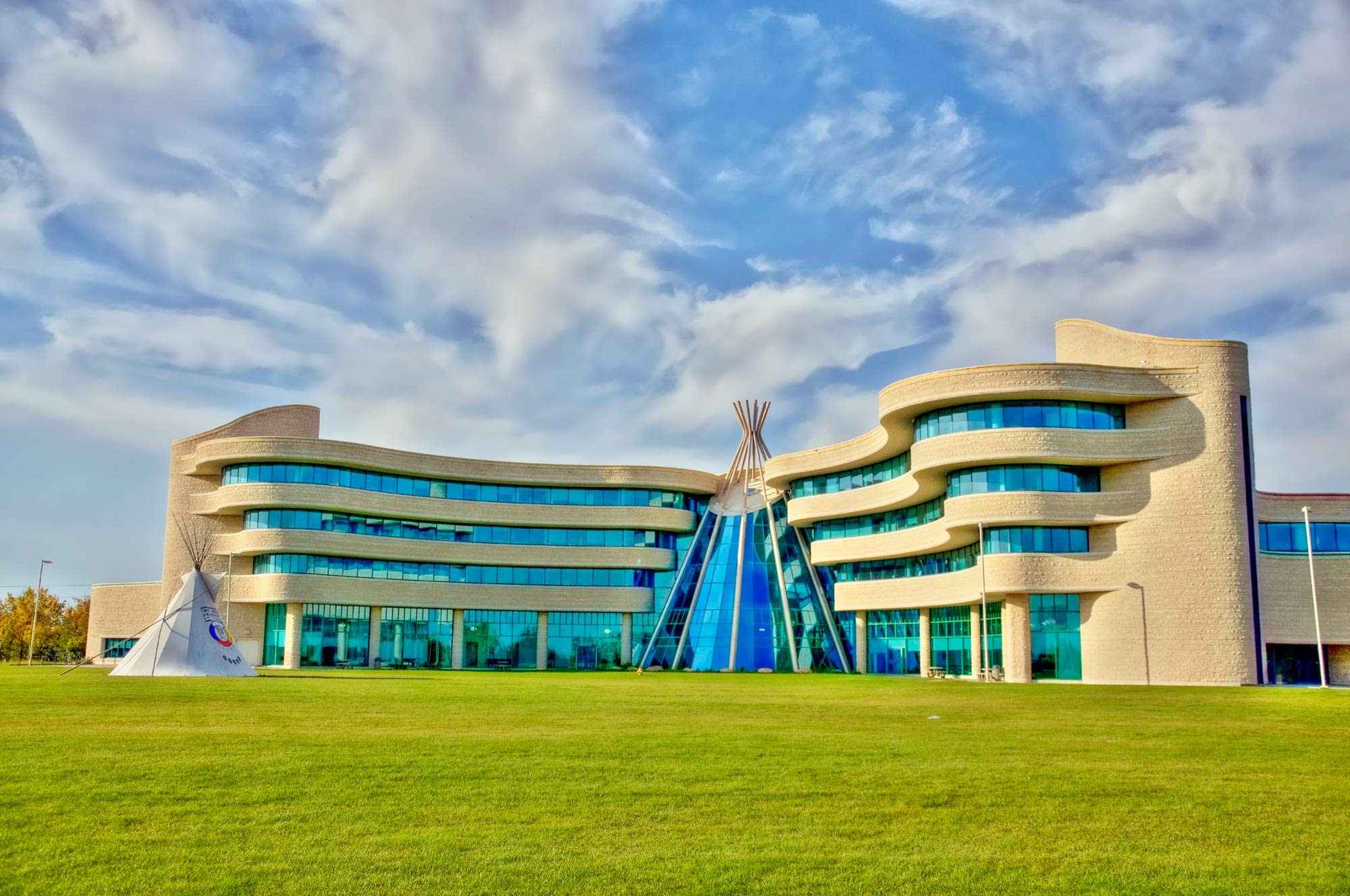
In 1994, the SIFC was given full membership in the Association of Universities and Colleges of Canada, achieving recognition as an institution equal to other Canadian universities. Through this accreditation, the college was equipped to offer degree options, including a bachelor of fine arts program focused on Indigenous contemporary, historical, and traditional artistic practice and innovation. In June 2003, the college was renamed First Nations University of Canada. The occasion was marked by the opening of a new building designed by acclaimed architect Douglas Cardinal (b.1934), whose design was meant to harmonize with the university’s prairie setting.
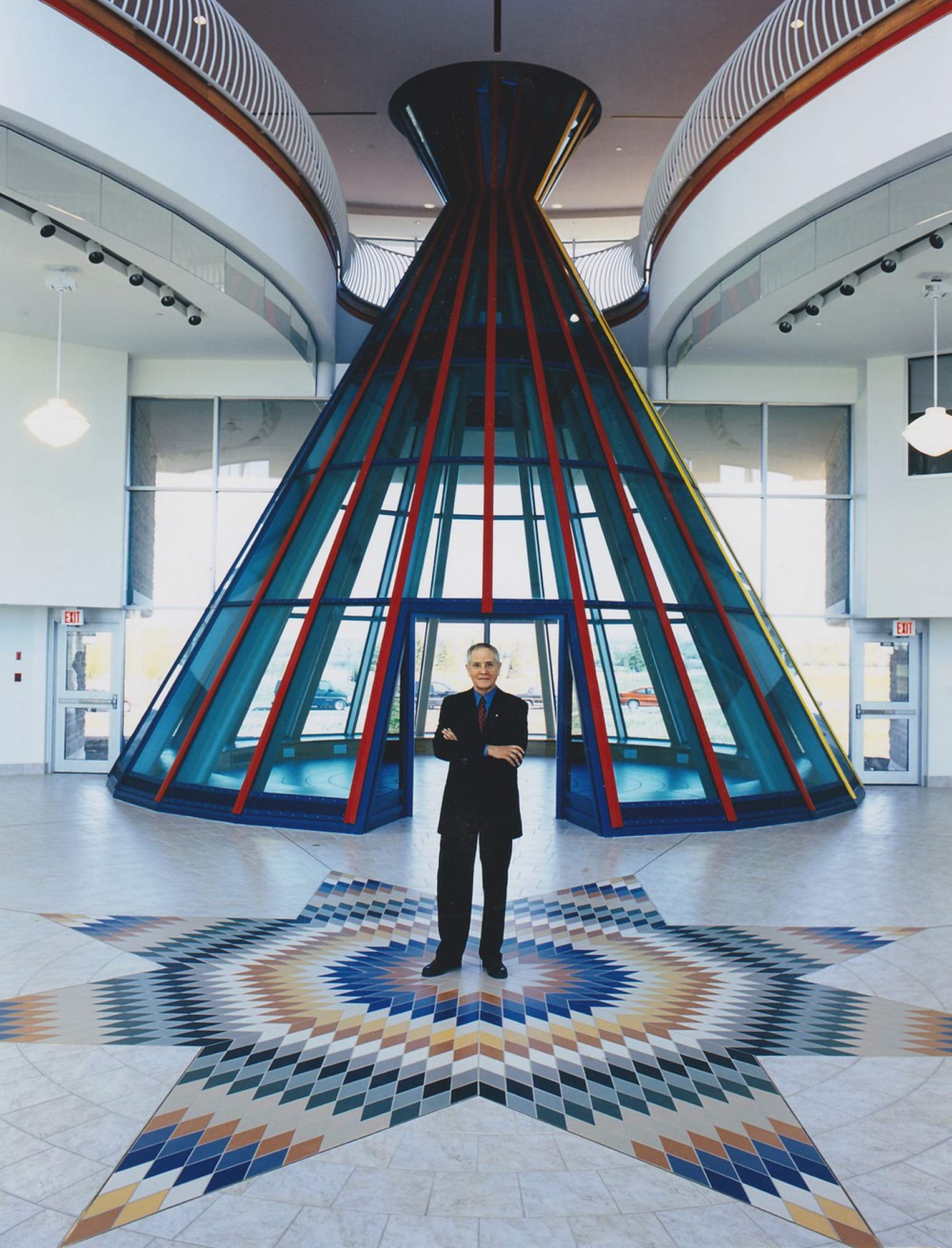
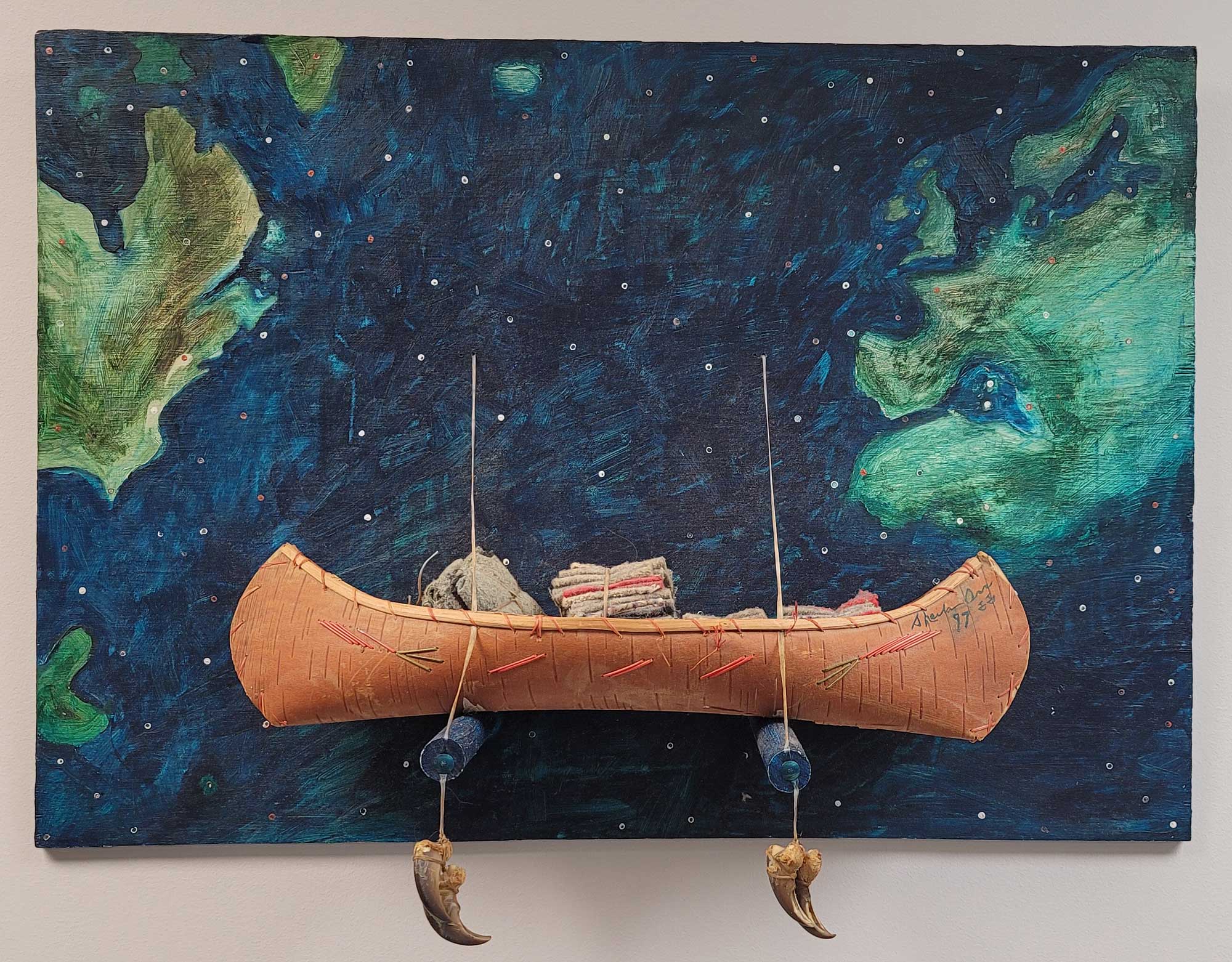
Since its inception, First Nations University has employed several outstanding instructors, including Judy Anderson, Keith Bird (b.1955), and Lionel Peyachew (b.1957), all of whom are practising visual artists. Peyachew, in particular, has emerged as one of Regina’s leading artists, working in painting and sculpture, as well as utilizing traditional beading and quillwork. Among his best-known sculptures is The Four Directions, 2005, installed at the University of Regina. The piece reflects on the significance of the four directions of the medicine wheel, which is used by Elders as a philosophical and teaching tool.
1982: Neutral Ground
In Canada, the artist-run movement began in the 1960s and 1970s, advancing an artist-led approach to the exhibition and dissemination of contemporary art, establishing “parallel galleries” that operated outside of the official infrastructures for art in the country. Regina’s first artist-run centre, Neutral Ground, was co-founded by Nida Home Doherty (b.1950) and Roger Lee in 1982 to offer opportunities to emerging artists working with nontraditional art forms such as performance, video, and installation, all of which were underrepresented in the city’s established art venues at the time, including at the Norman MacKenzie Art Gallery and Dunlop Art Gallery.
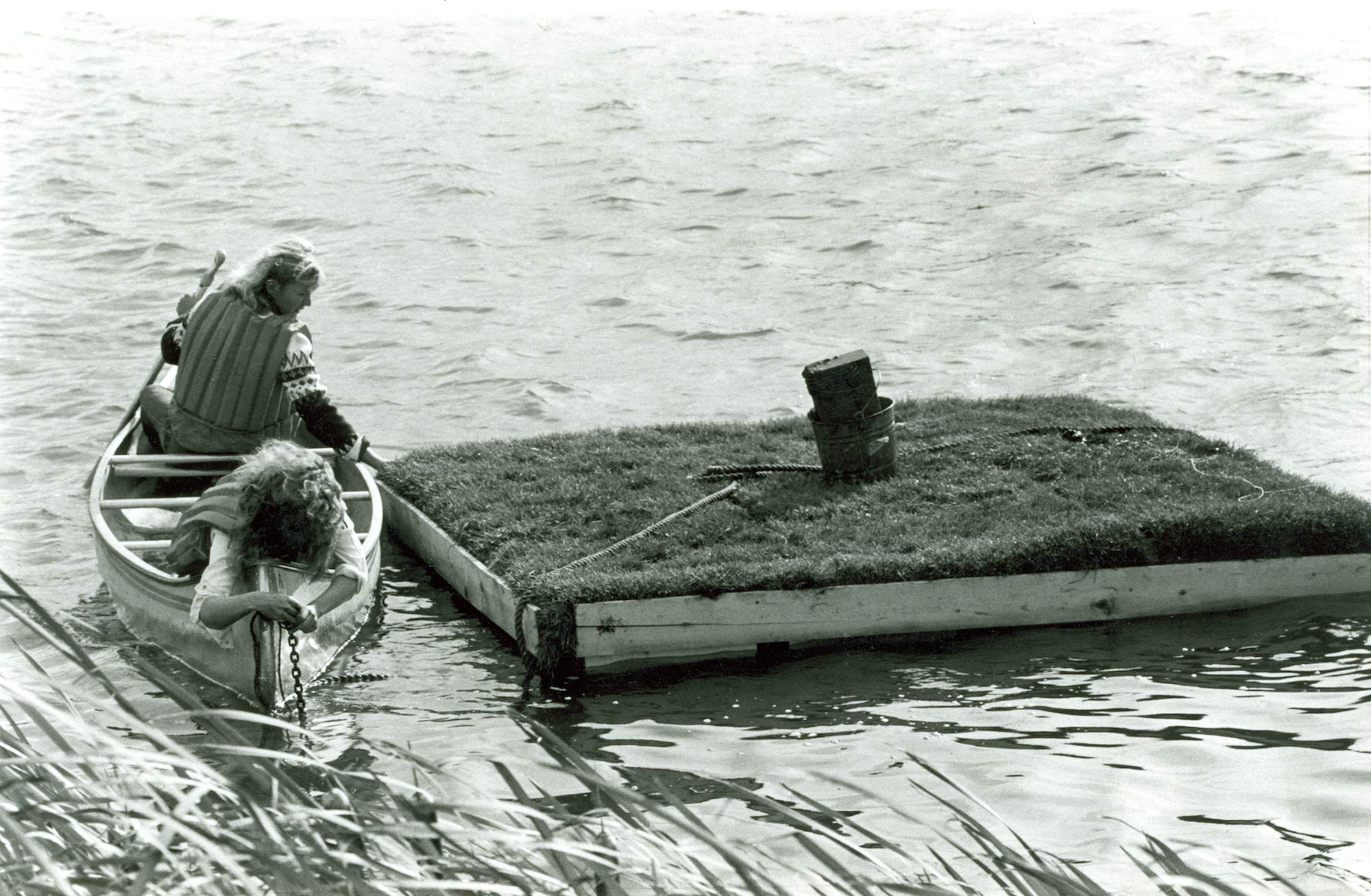
The story of Neutral Ground’s founding hinges on Doherty’s recent arrival in Regina from London, Ontario, where she had been a member of the Forest City Gallery, one of the nation’s leading artist-run spaces. Lee, an art history professor at the University of Regina, shared Doherty’s interest in creative experimentation and interdisciplinary collaboration. The name Neutral Ground was chosen to highlight the gallery’s position of neutrality in relation to the hierarchies of artistic expression that dominated the city’s established art institutions.
Initially operating without a permanent space, Neutral Ground’s first project was a sod-laden, 2.4-metre-square raft anchored in the middle of Wascana Lake, on which artists were invited to present performances. Among the artists to participate was Christa Donaldson (1947–2020), who placed a large frame on the raft through which spectators from afar could compose scenic views of the shoreline.
Neutral Ground held its first indoor exhibition in a temporary space in the Victoria Park Building early the following year, presenting works by six local artists, including Doherty, Ryan Arnott (b.1952), Pam Bjornson, Marsha Kennedy (b.1951), Ronald McLellan (b.1956), and Lillian Tomiuk, each of whom contributed a conceptual art piece. The gallery continued to use makeshift spaces until 1985, when it moved to its first permanent location, opening with a members’ exhibition called Alternating Currents. Having its own space allowed the gallery to increase programming and access new funding streams.
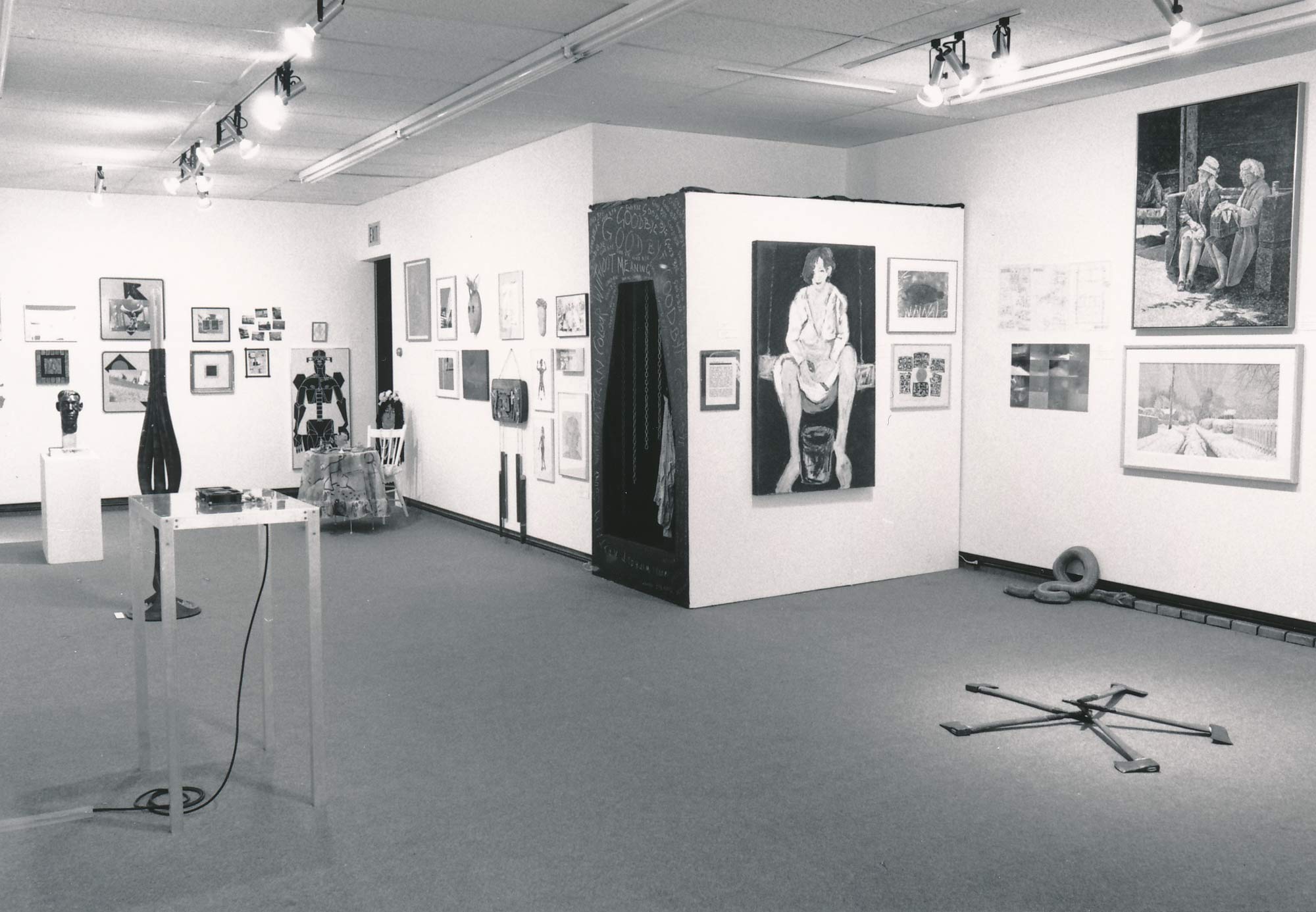
In 1997, Neutral Ground launched Soil Digital Media Suite, a program that explored the intersection of fine arts and technology, often in collaboration with local groups such as Queer City Cinema and the Saskatchewan Filmpool Cooperative. The gallery continued its focus on experimental media in 1999, presenting the work of eight contemporary Indigenous artists in CyberPowPow 2, a weekend of programming in a virtual space. Featured multimedia artists Lori Blondeau (b.1964) and Skawennati (b.1969) are among some of the earliest First Nations creators in Canada to embrace the Internet as a platform for making and disseminating their work. Soil Digital Media Suite continued as part of Neutral Ground’s programming until 2015.
Recent exhibitions at Neutral Ground include 2017’s Canada’s Rectangle, the title of which references the province of Saskatchewan’s geopolitical borders, which resemble a rectangle when viewed on a map. The juried show featured works of video, sculpture, collage, site-specific installation, and performance by emerging Saskatchewan artists, including Cruz Anderson and Zoë Schneider. Under the direction of Emily Nestor, the centre continues to lead public understanding and appreciation of emerging, experimental, and multidisciplinary art practices in Regina, often through collaborations with other local arts organizations. The gallery is currently engaged in digitizing ephemera documenting its more than forty-year history.
1993: Sâkêwêwak First Nations Artists’ Collective
Since its formation in 1993, Regina’s second artist-run centre, Sâkêwêwak First Nations Artists’ Collective, has provided a much-needed space for emerging Indigenous artists to exhibit their work and to connect with other artists. The local Indigenous arts community first organized in 1991 as Ironbow, which later incorporated as Circle Vision Arts Corporation, a province-wide Indigenous arts service organization. In 1993, with the assistance of Circle Vision, Regina-based members began operating independently under the name Sâkêwêwak, a Plains Cree word meaning “they are emerging” or “they are coming into view.” Among the founders of the new entity were Robin Brass, Reona Brass (b.1966), Sherry Farrell Racette, Edward Poitras, and Âhasiw Maskêgon-Iskwêw (1958–2006).
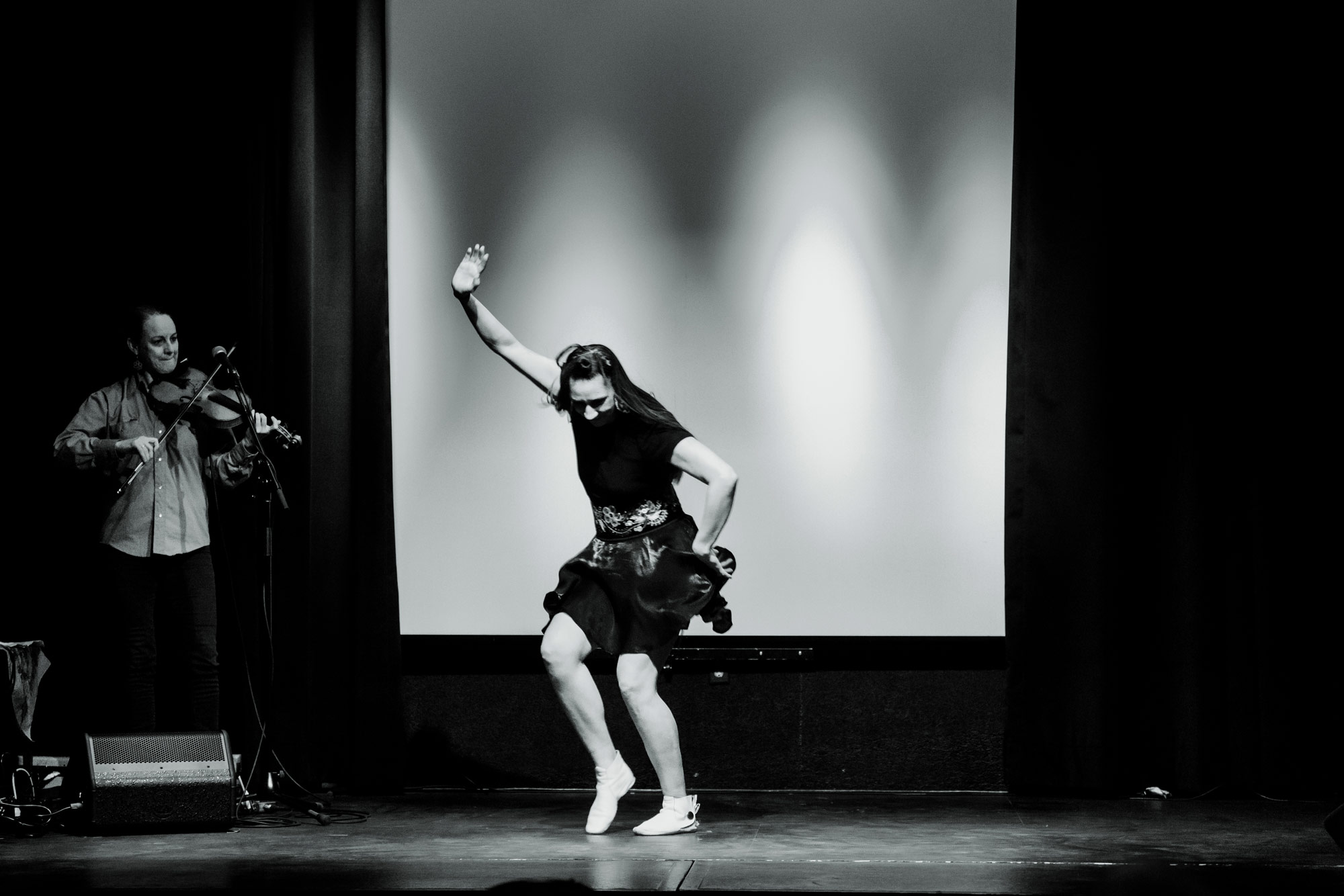
The name Sâkêwêwak was chosen to reflect the community’s desire for an organization that would support the emergence of new art and that expressed the concerns of contemporary Indigenous artists. Sâkêwêwak’s programming initially focused on professional development. Later, it formed partnerships that allowed it to present a regular program of exhibitions, screenings, concerts, and performances, including the multidisciplinary Sâkêwêwak Annual Storytellers Festival.
In 2003, Sâkêwêwak embarked on a project that aimed to fuse new media with Indigenous art forms. The idea had been developed by Bently Spang (b.1960), a multimedia artist from the Tsitsistas/Suhtai Nation in Montana, who was interested in exploring parallels between raves and traditional powwows. Program coordinator Reona Brass expanded Spang’s idea into a series of workshops, after which participants showcased what they had learned at the Tekeno Powwow in the Qu’Appelle Valley.
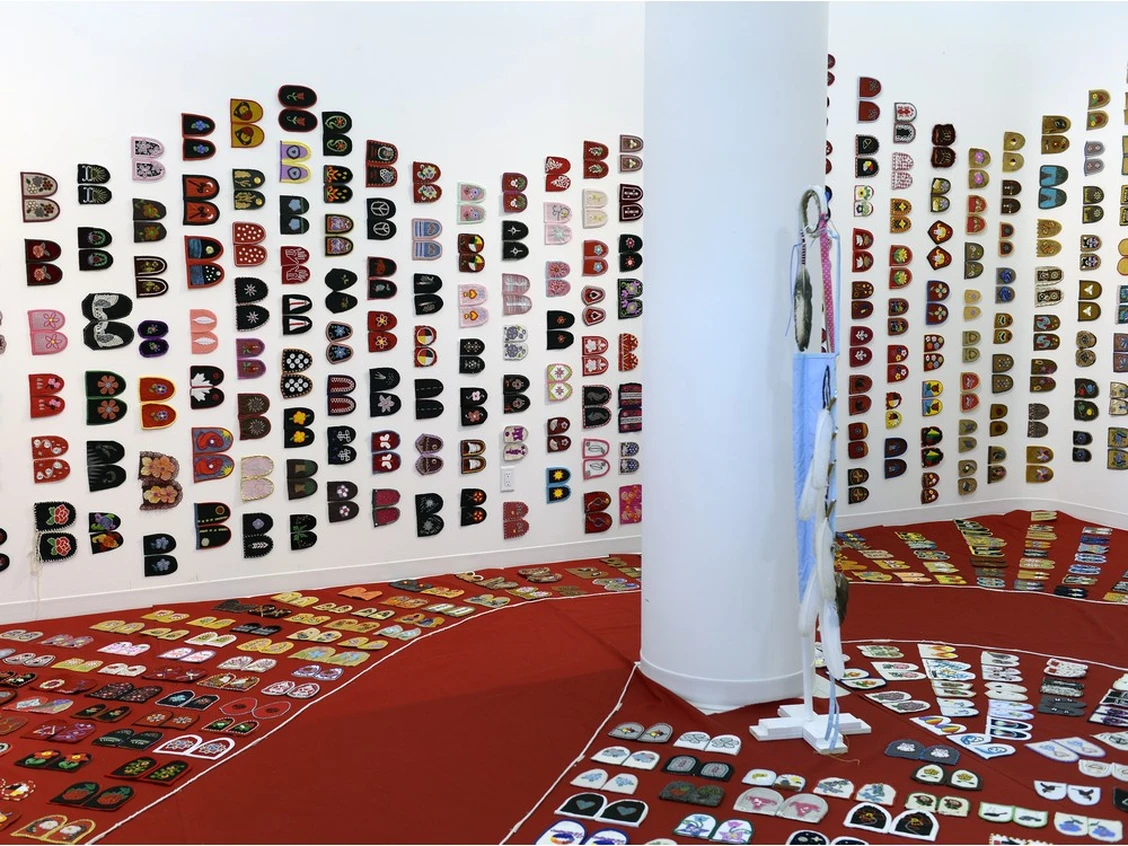
Sâkêwêwak has continued to run innovative programs, often in association with other local groups. In 2016, Sâkêwêwak partnered with Plain Red Art Gallery to present the Indigenous Artists’ Symposium: Activism and Education Through the Arts at First Nations University. The keynote speaker was Métis artist Christi Belcourt (b.1966), the curator of Walking With Our Sisters, a national touring exhibition shown at the university in 2013. The exhibition featured more than 1,700 moccasin vamps made by artists in tribute to Canada’s missing and murdered Indigenous women.
 About the Author
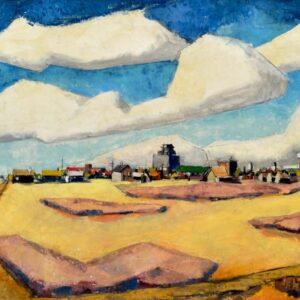 More Online Art Books
 Acknowledgements