
Kenneth Lochhead (1926–2006)
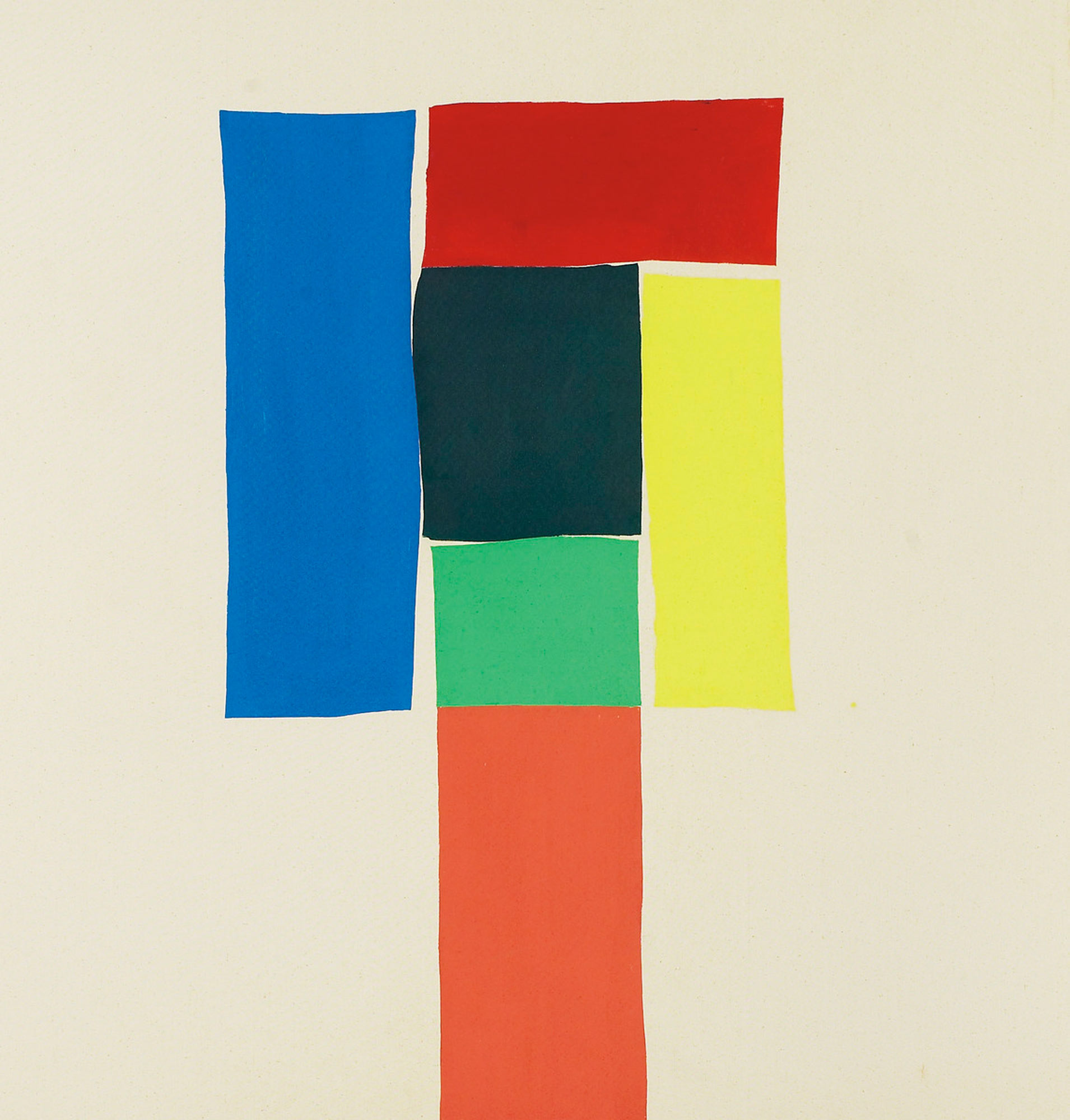
Kenneth Lochhead, Dark Green Centre, 1963
Acrylic on canvas, 208.3 x 203.2 cm
Art Gallery of Ontario, Toronto
A member of the Regina Five, Kenneth Lochhead played a central role in transforming Regina into a key centre for modern art in Canada. As director of the School of Art at Regina College between 1950 and 1964, he recruited and worked alongside other influential artists, such as Ricardo Gomez (b.1942), Arthur McKay (1926–2000), and David Gilhooly (1943–2013), helping to build a strong and innovative curriculum. As an artist, he is best known for his hard-edge paintings such as Dark Green Centre, which he began producing after attending the 1962 workshop at Emma Lake led by American art critic Clement Greenberg (1909–1994). Greenberg notably assessed Lochhead’s works as relating to “nothing else in contemporary Canadian painting” and commented that “it remains to be seen whether this accomplished and versatile artist will pursue his new vision of colour with the required tenacity and, above all, nerve.” With his bold use of unmodulated colour and geometric compositional elements, Lochhead was a leading figure in Post-Painterly Abstraction in Canada.
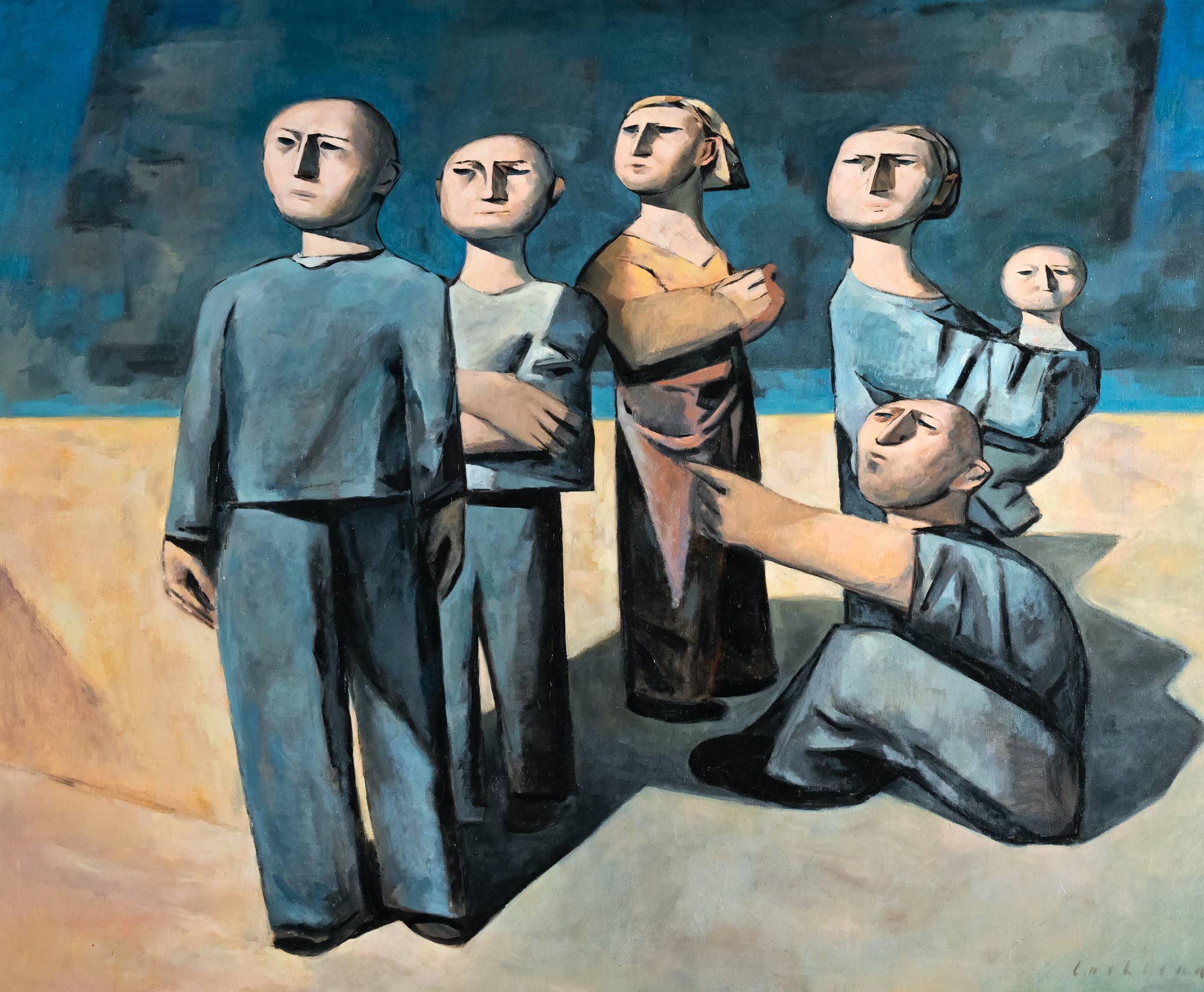
Born in Ottawa, Lochhead studied art at Queen’s University in Kingston, the Pennsylvania Academy of the Fine Arts, and the Barnes Foundation in Philadelphia. In 1950, he moved to Regina to succeed Augustus Kenderdine (1870–1947) as director of the School of Art at the University of Saskatchewan, Regina Campus. Despite the demands of teaching, Lochhead continued to paint, producing works such as The Kite, 1952, and The Burial, 1953, both indebted to Surrealist painters such as Giorgio de Chirico (1888–1978), whose work he had been exposed to while studying in Philadelphia.
Lochhead was the lone member of the future Regina Five to miss the groundbreaking Emma Lake workshop with Barnett Newman (1905–1970) in 1959. At that time, he was on a one-year sabbatical in Rome, which he began after completing a twenty-two-metre egg tempera mural called Flight and Its Allegories, 1958–59, at Gander International Airport in Newfoundland and Labrador. He fully embraced nonrepresentational painting upon returning from Rome, when he attended Emma Lake workshops led by John Ferren (1905–1970) and Herman Cherry (1909–1992). In 1961, Lochhead joined four other painters—McKay, Ronald Bloore (1925–2009), Douglas Morton (1926–2004), and Ted Godwin (1933–2013)—in forming the Regina Five, whose works were featured in the landmark Five Painters from Regina exhibition at the National Gallery of Canada.
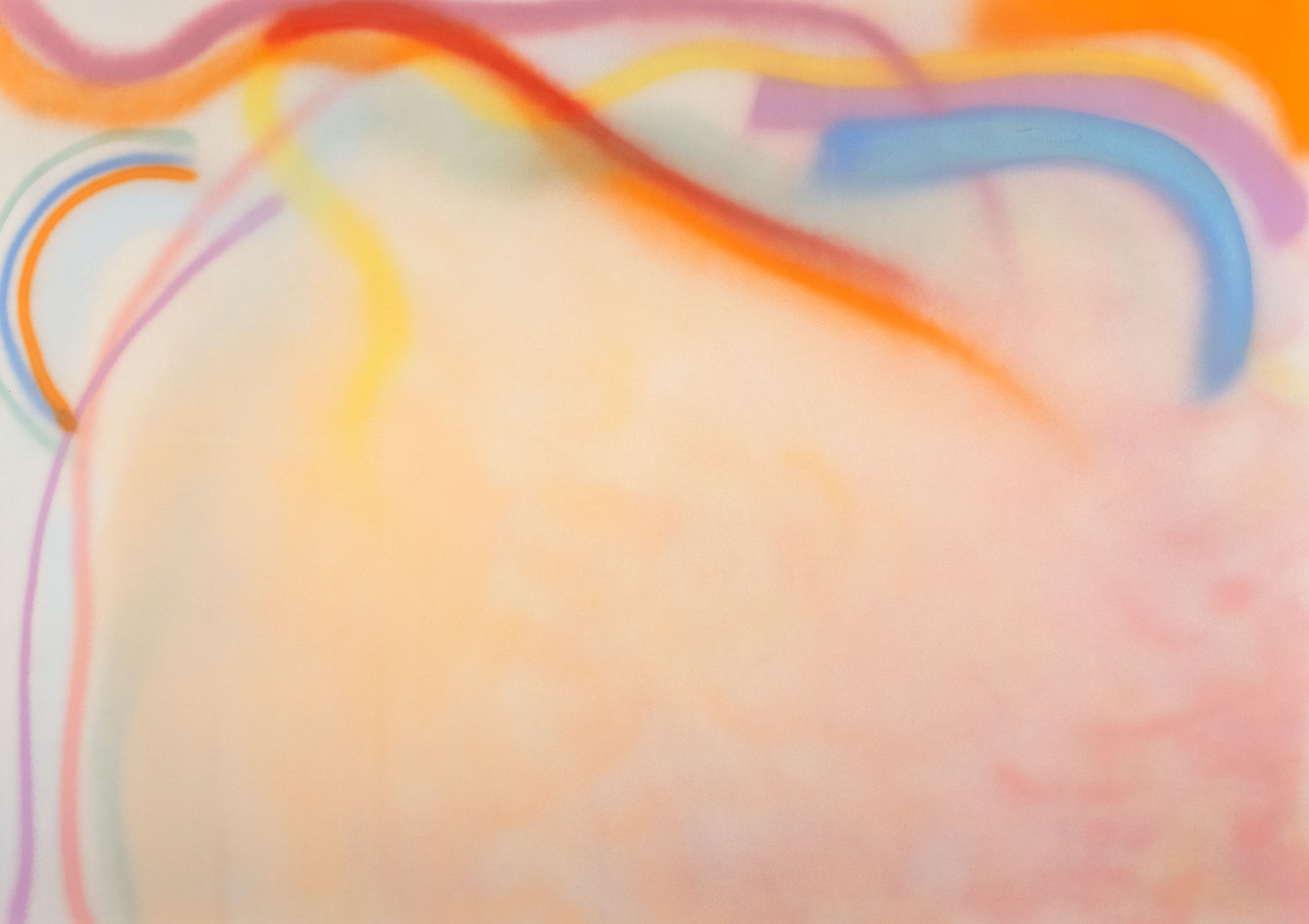
Upon his departure from Regina in 1964, the first of the Regina Five to leave the city, Lochhead had already solidified his influence on modern painting in Canada, for which he was awarded the Order of Canada in 1971 and the Governor General’s Award in Visual Arts in 2006. He continued working in hard-edge abstraction until 1970, when in works such as High Space Colour, 1970, he adopted a softer, more diffuse colour-field approach by applying paint with a spray gun. In their own way, Lochhead’s works take up the artistic concern with the landscape that is so prominent in the works of his Regina predecessors. Resonating with the broad, flat landscape, Lochhead’s colour-field paintings can be seen to reveal a new image of the prairie, filtered through the artistic vision of mid-century modernism.
 About the Author
 More Online Art Books
 Acknowledgements