
William Raphael brought a distinctive vision to his adopted home of Montreal, capturing its people and landscapes with remarkable sensitivity. As the first Jewish artist to build a professional career in Canada, he formed deep connections within his community while also moving through broader cultural circles, including the Freemasons. A key figure in the development of genre painting in Canada, Raphael used everyday scenes to reflect the country’s evolving identity. But his prominence as an artist and teacher clashed with shifting aesthetic tastes in Montreal’s top art institutions. Coupled with a rising tide of anti-Semitism in the late nineteenth century, these tensions contributed to obscuring Raphael’s legacy—despite his pivotal role in shaping Canadian art.
Canada’s First Jewish Artist
In the first half of the nineteenth century, a population boom in the Prussian Empire led to a vast wave of emigration between 1845 and 1858. William Raphael was one of many Prussians to leave their homeland in search of a better future and fresh opportunities elsewhere. North America was attractive to many Europeans thinking of emigrating. German-language newspapers of the time described the United States and Canada as civilized places with great potential for economic development and a strong emphasis on rights and freedoms. The United States was a popular destination for immigrants, but Raphael was one of the few members of the Prussian community who chose to build a new life in British North America. Arriving in Montreal in 1857, he was the first Jewish artist to immigrate to Canada. His Judaism, however, would not be without impact on his career and his work.
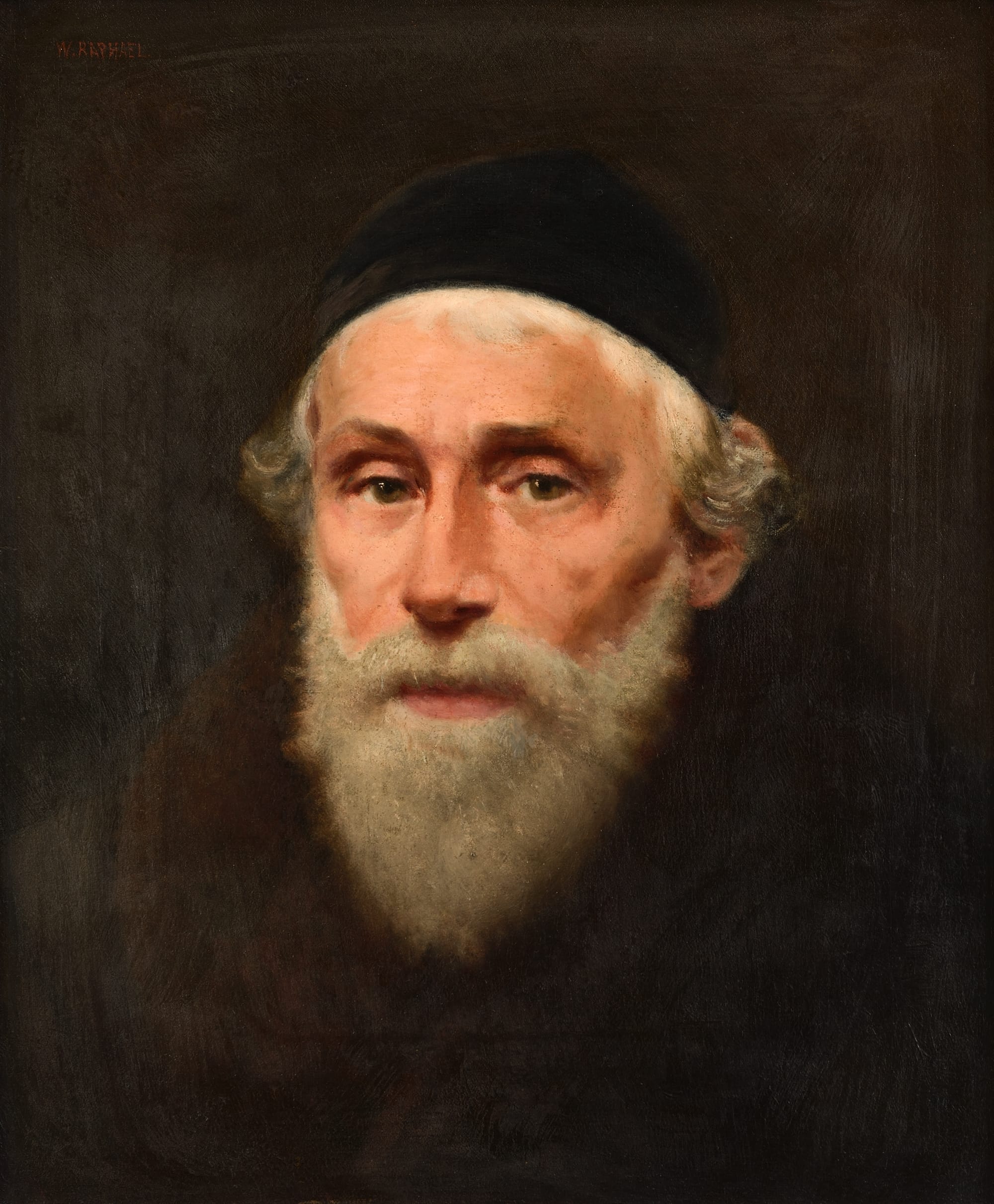
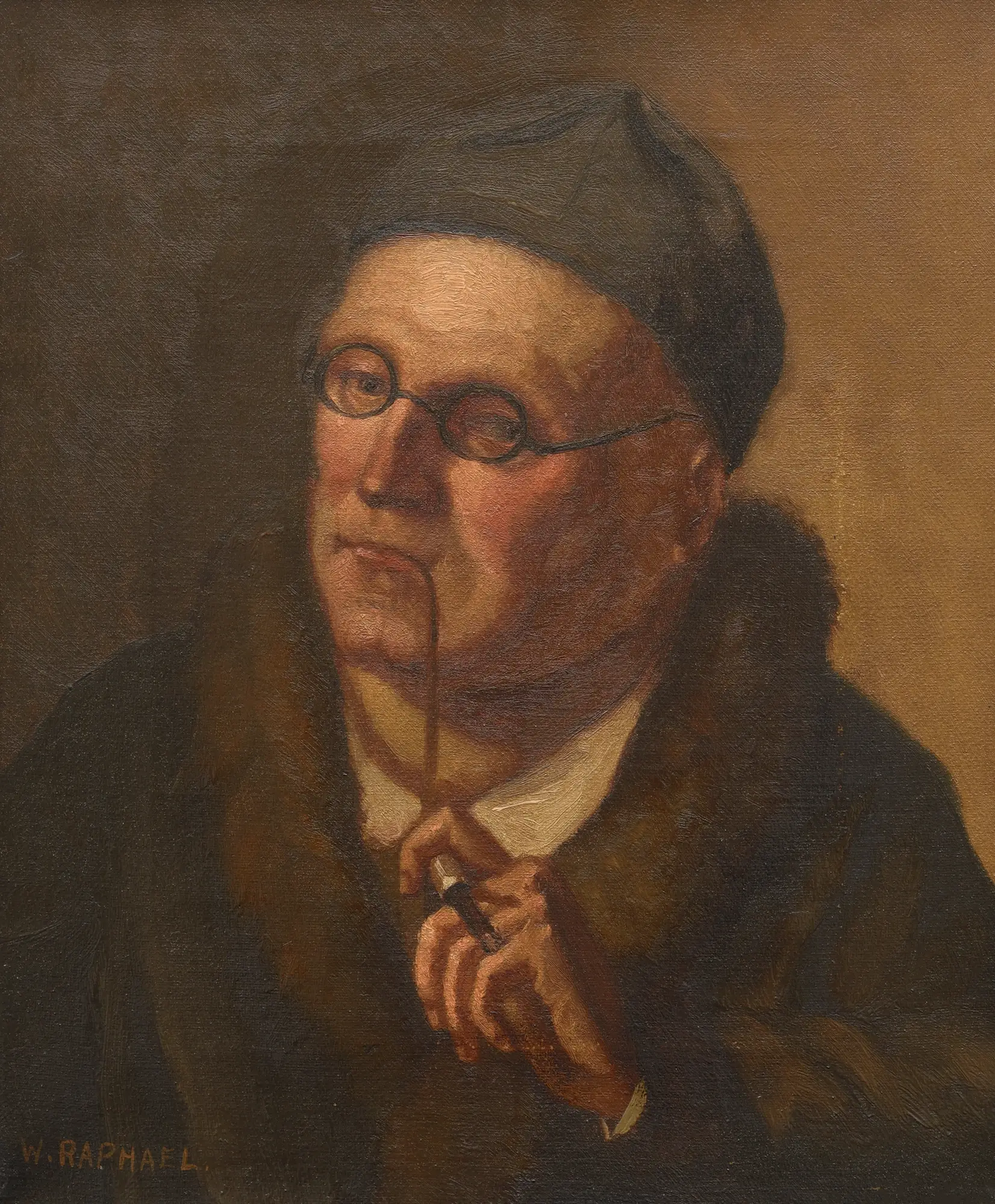
Raised in an Orthodox Jewish household in Nakel, Prussia, Raphael produced a number of sketches over the course of his life that reflected his religious upbringing. In October 1856, for example, he drew a figure wearing the tefillin, a small square box containing passages from the Torah. In 1880, years after his arrival in Canada, he painted Portrait of Wolf Rafalsky, c.1880, an image of his father as an austere-looking old man dressed in black, with a beard, curly sideburns, and a yarmulke.
Raphael came of age in an era of greater religious freedom. In fact, at the beginning of the nineteenth century, Prussia passed a number of laws to allow for the emancipation of the Jews and grant them equal rights. When he left Nakel for Berlin at the age of eighteen, Raphael discovered a city marked by these transformations. They carried with them the possibility of a regenerated society and of the potential integration “of the Jewish population with the non-Jewish majority in all domains with the exception of religious life.” The mid-nineteenth century was also characterized by a reform movement in Judaism that increasingly guided new generations. Many younger Jews distanced themselves from the age-old traditions that had weighed heavily on the way of life in the past. These cultural changes shaped Raphael’s relationship with religion and society throughout his adult life, and in part enabled him to pursue a career as an artist.
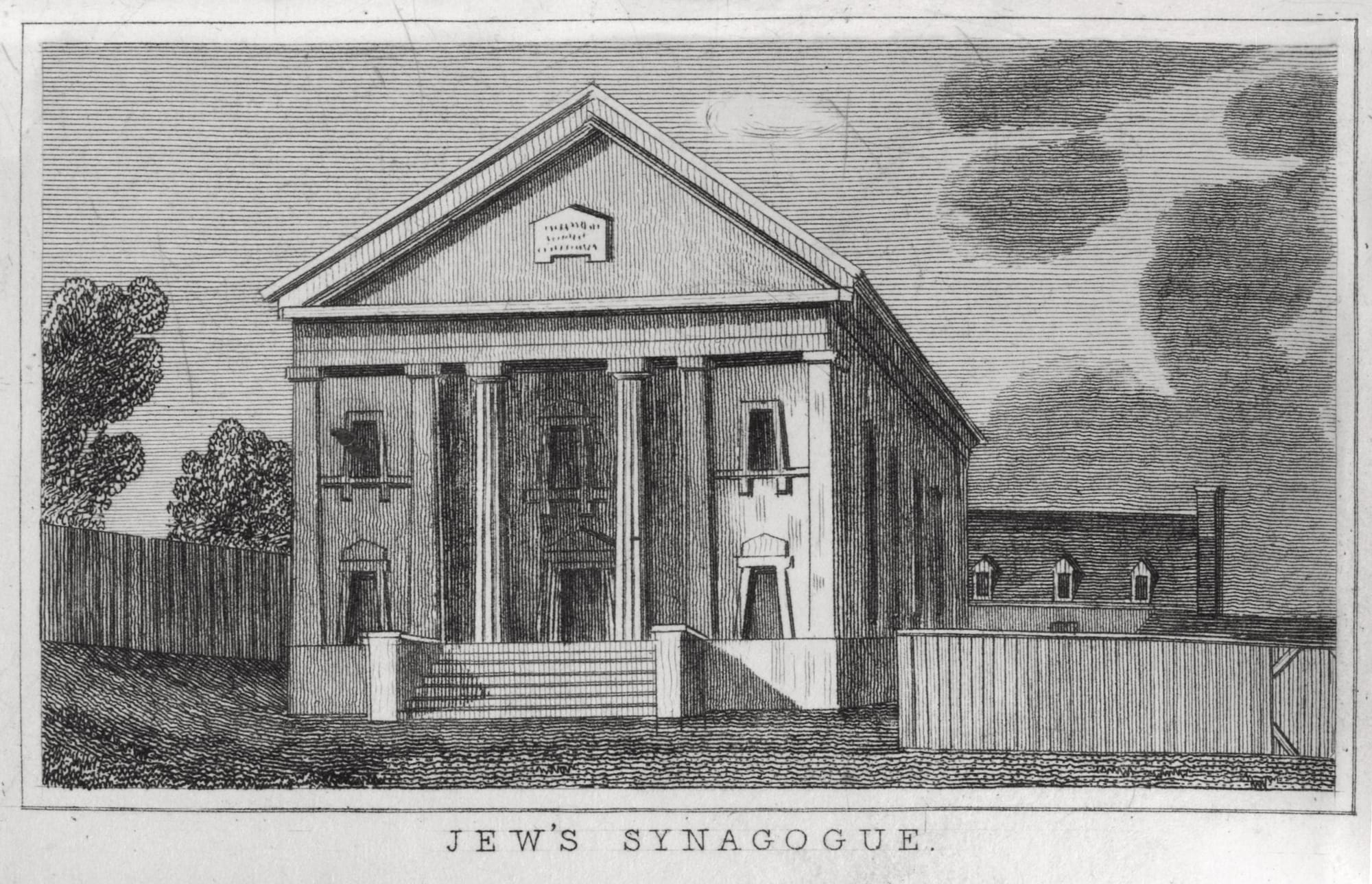
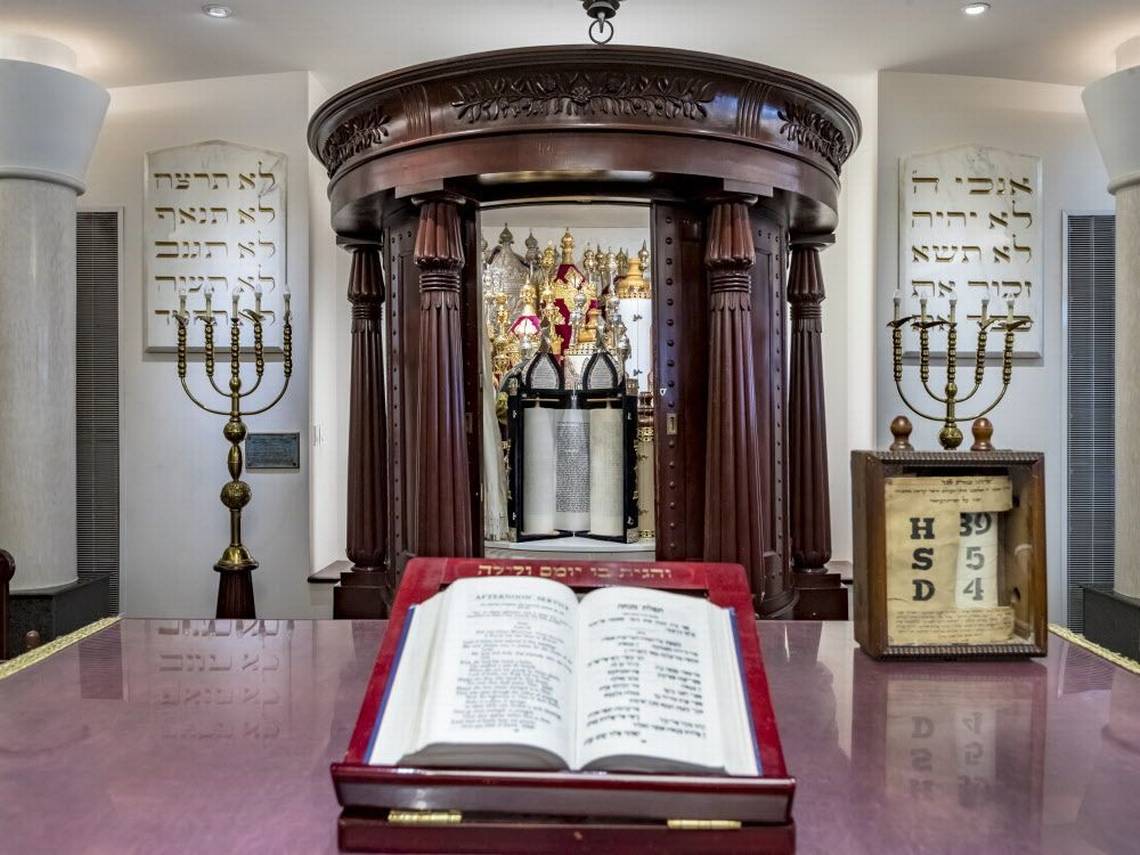
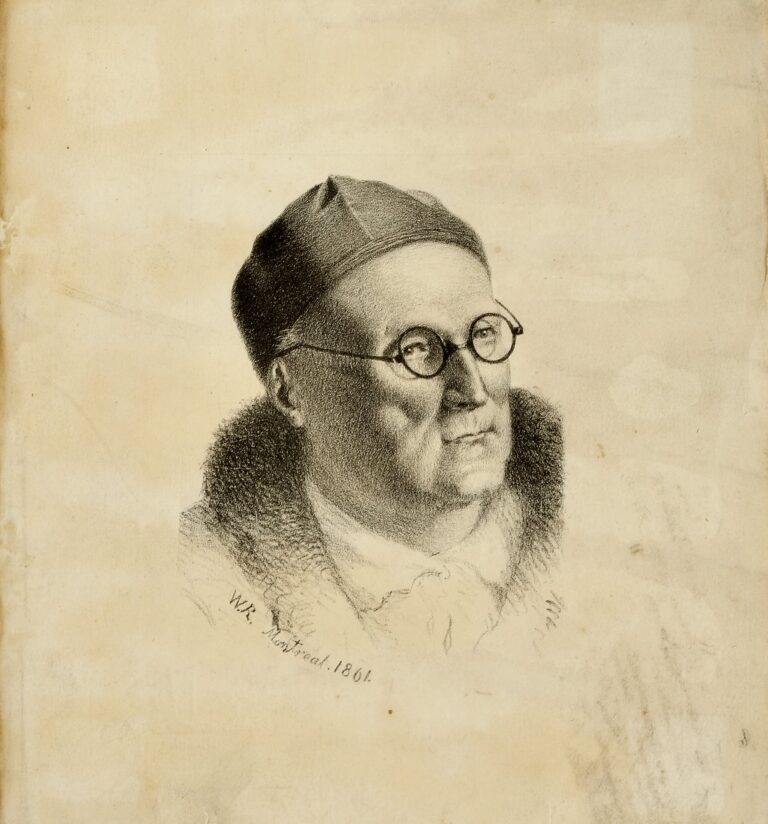
In North America, Raphael was part of a new environment, less influenced by religion. Still, his early interactions with Montreal society were initially with his fellow Jewish citizens. On his arrival in the Province of Canada, he joined the city’s only synagogue, the Spanish and Portuguese Synagogue, which followed the Orthodox tradition. In 1862, his marriage was celebrated by Rabbi Abraham de Sola, whose portrait Raphael painted on two occasions. In the early years of his career, he also made several portraits for members of his community—notably Portrait of an Orthodox Jew, Montreal, 1861. Much later, he completed his Portrait of Aaron Hart David, M.D., 1882.
But Raphael did not limit himself to this market alone, nor did he rely solely on the support of his fellow Jews, if only for reasons of economic survival. According to the census, Montreal had a Jewish population of only 181 people in 1851 and 403 in 1861. In the years that followed, this population remained stagnant, with the number barely reaching 409 in 1871. Given this demographic reality, Raphael could not afford to isolate himself, and like his Jewish compatriots, he worked hard to forge links with many people, regardless of their religious affiliation.
By the 1850s and 1860s, he was well integrated into Canadian society. His faith was never mentioned in the newspapers and didn’t seem to have the slightest bearing on people’s assessment of his skills. He also worked hard to separate his professional life from his religious identity, which he expressed only in private settings. As art historians Loren Lerner and Suzanne Rackover note: “Although active in Montreal’s fledgling Jewish community and identified as the first Jewish artist in Canada, Raphael did not produce Jewish-themed art. Rather, he integrated himself into the city’s art scene in both subject matter and style.”
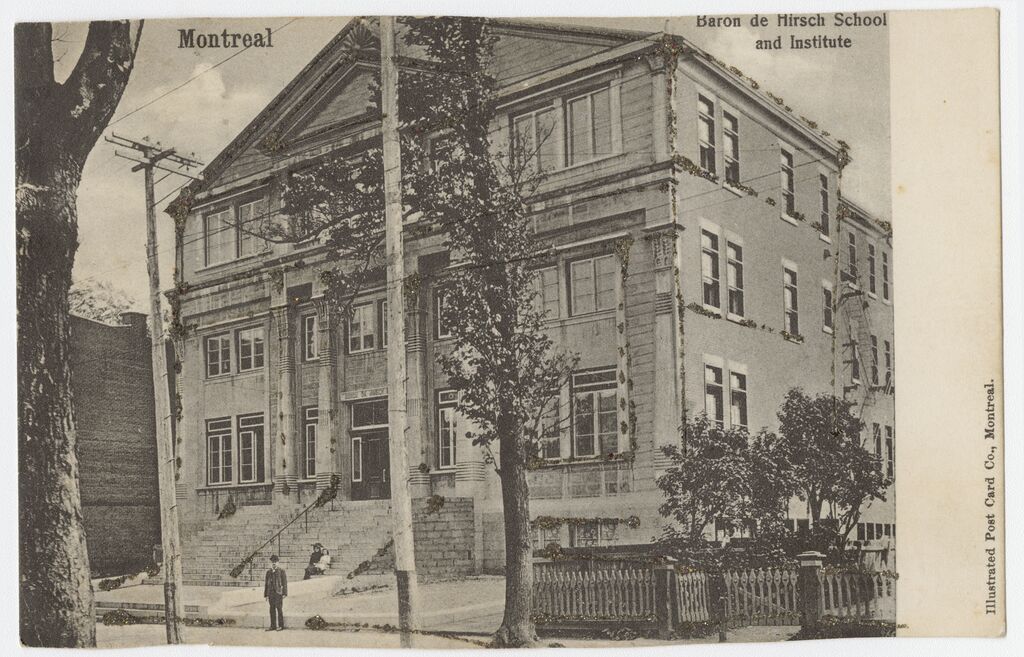
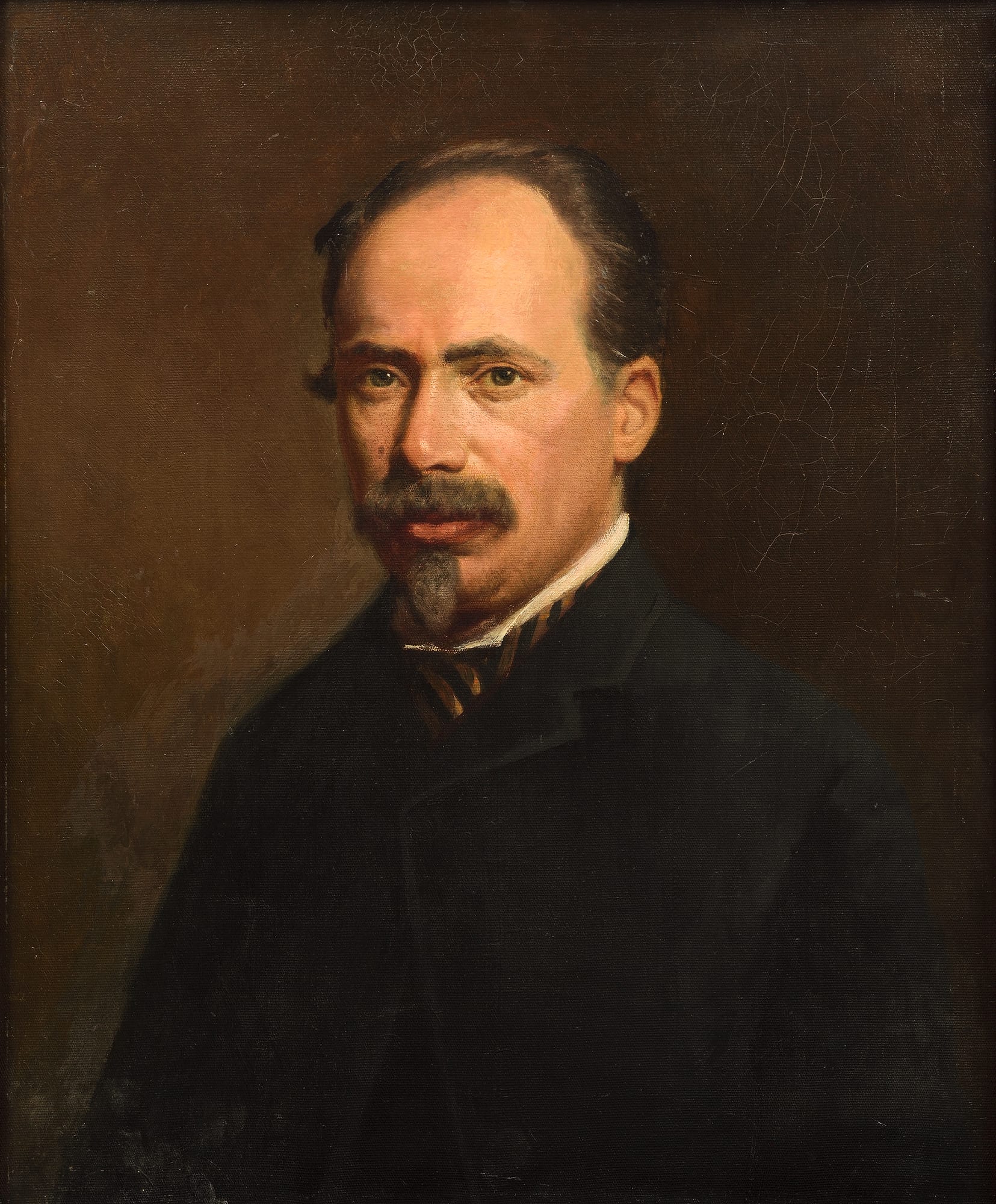
From the 1880s onwards, however, the artist became more overt about his involvement with the Montreal Jewish community. He also made sure to use his art in activities that supported the Jewish people. For example, in 1882, Raphael donated one of his paintings to a fundraising event dedicated to the construction of the new Temple Emanu-El, which promoted Reform Judaism. In 1892, he also financially supported the Baron de Hirsch Institute, which took in many Jewish migrants, especially Russians and Romanians fleeing persecution in their home countries. Three years later, an article published in the Gazette reported on Raphael’s life-size portrait of Julius Schermann, which was unveiled during a major ceremony. The work helped to highlight the exceptional efforts of his sitter, who for twelve years served on the board of directors of the Baron de Hirsch Institute and also devoted himself to helping the community’s poor as vice-president of the Young Men’s Hebrew Benevolent Society.
Despite his increasing public involvement in the Jewish community in the late 1800s, Raphael still did not generally incorporate elements of his religious identity into his works made for the Montreal market, particularly his genre scenes. One notable exception, though, can be found in With the Current, 1892. In that piece, the male figure is dressed in black and wears a yarmulke, leaving no doubt as to his Jewish faith.
Canadian Freemasonry
When William Raphael settled in Montreal in 1857, he integrated into his new environment with the help of his connections in the Jewish community, but he also called on his various other social circles, including the Freemasons. Established in Canada in the eighteenth century, the Masons expanded quickly in the years after the first provincial lodge was set up by the British following the capture of Quebec in 1759. As indicated in the Freemason’s Manual, written by Thomas Sargant and published in Toronto in 1880, members viewed the fraternal order as “a moral institution, established by virtuous men with the praiseworthy design of recalling to our remembrance the most sublime TRUTHS, in the midst of the most innocent and social pleasures,—founded on LIBERALITY, LOVE and CHARITY.”
But as the history of Freemasonry shows, not everyone was convinced of these good intentions. Indeed, because of its initiation practices and its secret rituals, as well as the fact that it welcomes members of different faiths, Freemasonry has been condemned in various countries and has especially attracted the wrath of the Catholic Church. As early as 1738, Pope Clement XII, who viewed Masons as heretics and occultists, prohibited Catholics from joining the order. In England and Scotland, on the other hand, Freemasonry was well established and accepted. It experienced an entirely different kind of development in Britain, and eventually in Canada as well. Despite the watchful eye of the Church, new members were recruited year after year and encouraged to take part in the society’s meetings.
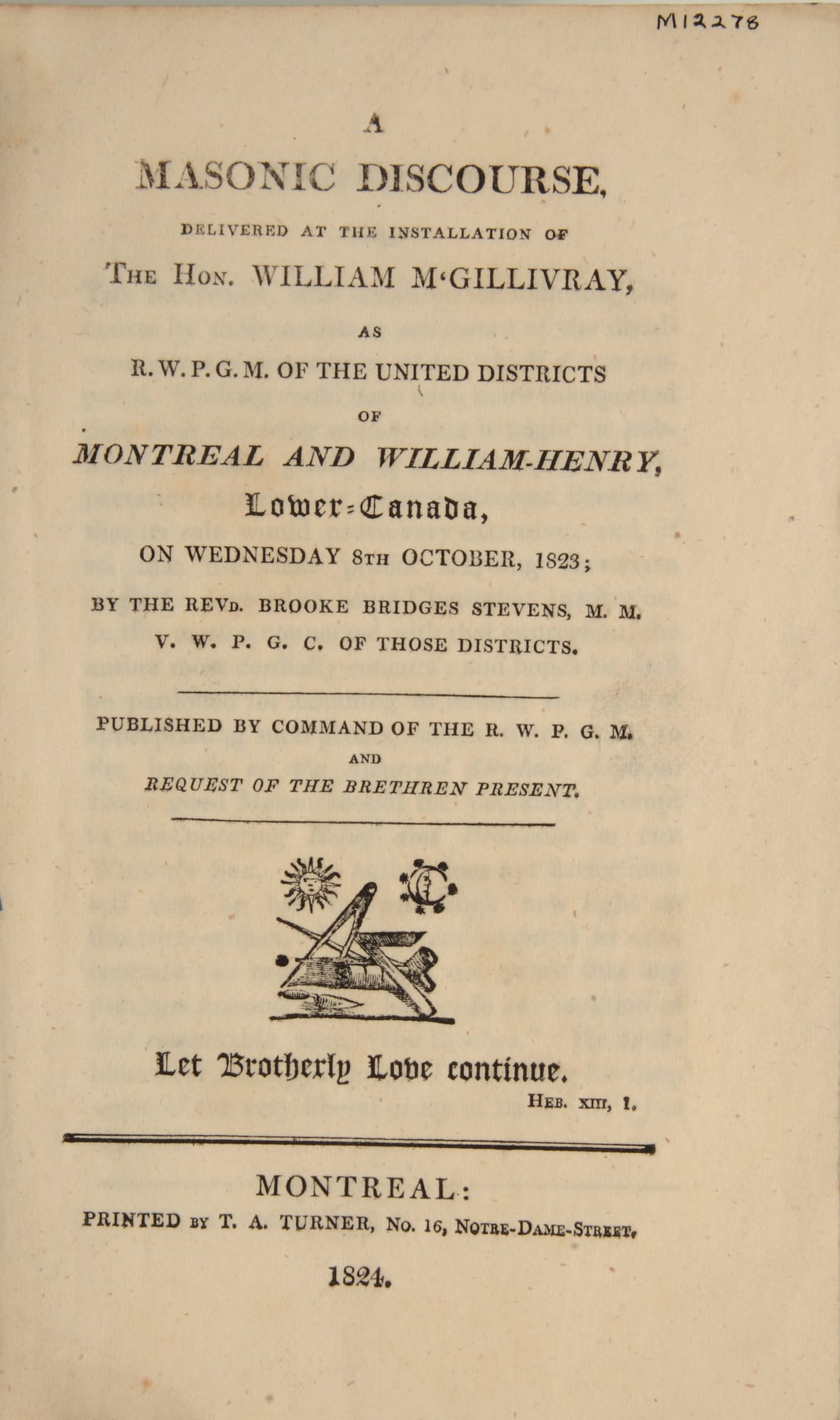
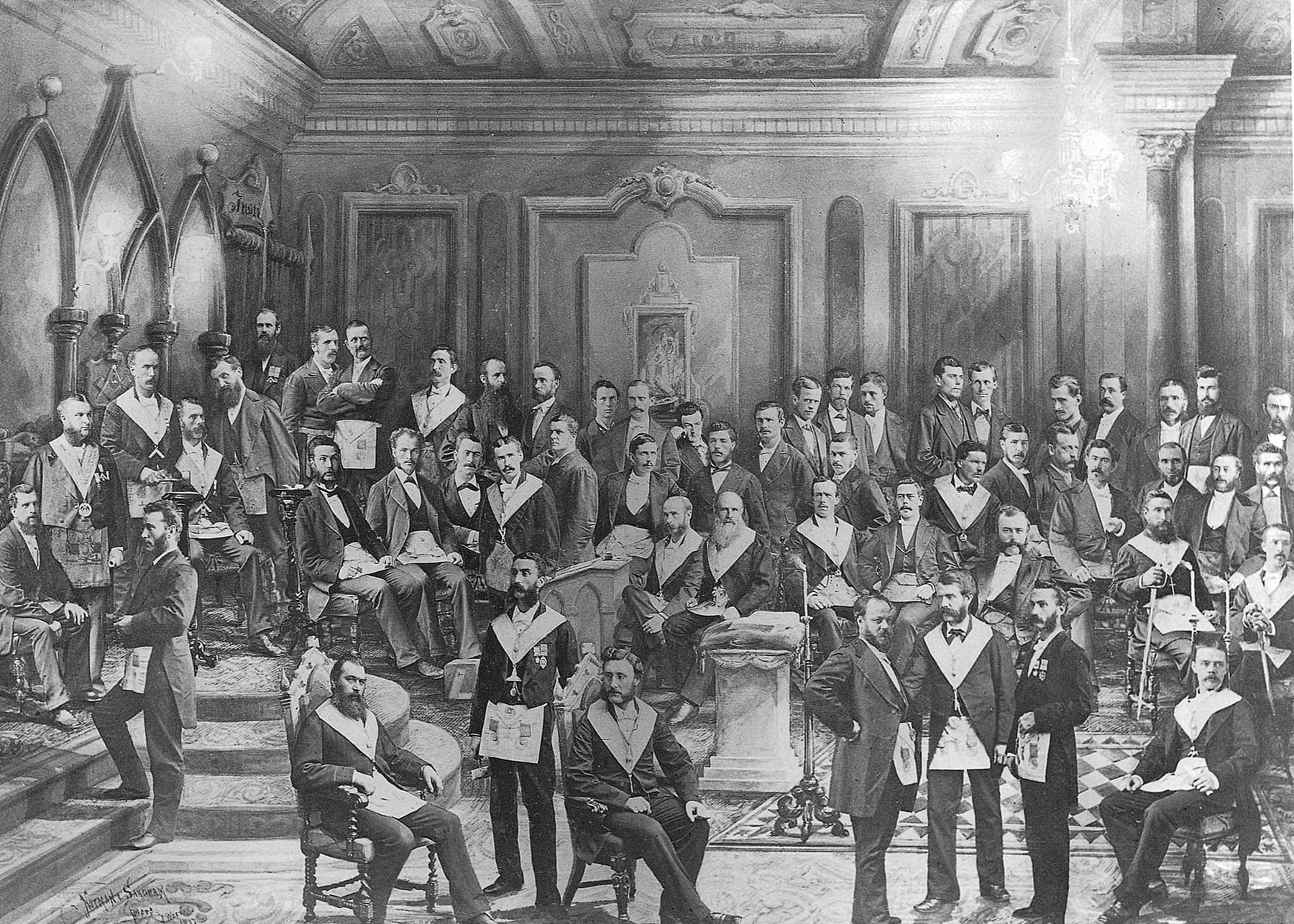
Raphael was introduced to the Masonic movement by his father-in-law, Hermann Danziger, shortly after his marriage. On March 15, 1864, Danziger nominated his son-in-law for membership, and on April 19, Raphael became a first-degree Freemason. A month later, on May 17, he wrote in his sketchbook that he was “very excited” because he had gone “that evening to the lodge where [he] received [his] second degree as freemason,” thus passing from apprentice to companion and vowing to keep his activities secret. As the society is renowned for its discretion, Raphael left few written clues as to his role within it. But it’s worth wondering what he might have gained from such a membership.
Of course, Raphael was not the only Canadian artist to join the order. In Quebec, Freemasonry was sometimes looked upon with suspicion, particularly among Catholics, but nonetheless, some artists—such as François Beaucourt (1740–1794) and Ludger Larose (1868–1915)—were members. Larose was even appointed Master of the only exclusively French-speaking Masonic lodge in Canada, Montreal’s Loge des Coeurs-Unis, founded in 1870.
From the outset, the society sought to bring together “educated, active, ambitious men,” holding prestigious positions in civil society and with a taste for the sciences and liberal arts. In Raphael’s case, Freemasonry’s openness to all religious denominations—including Judaism—allowed him to make contact more easily with many of Montreal’s most wealthy and influential figures. In this way, the society offered him an opportunity to penetrate a cultured and stimulating environment and build a network with international scope.
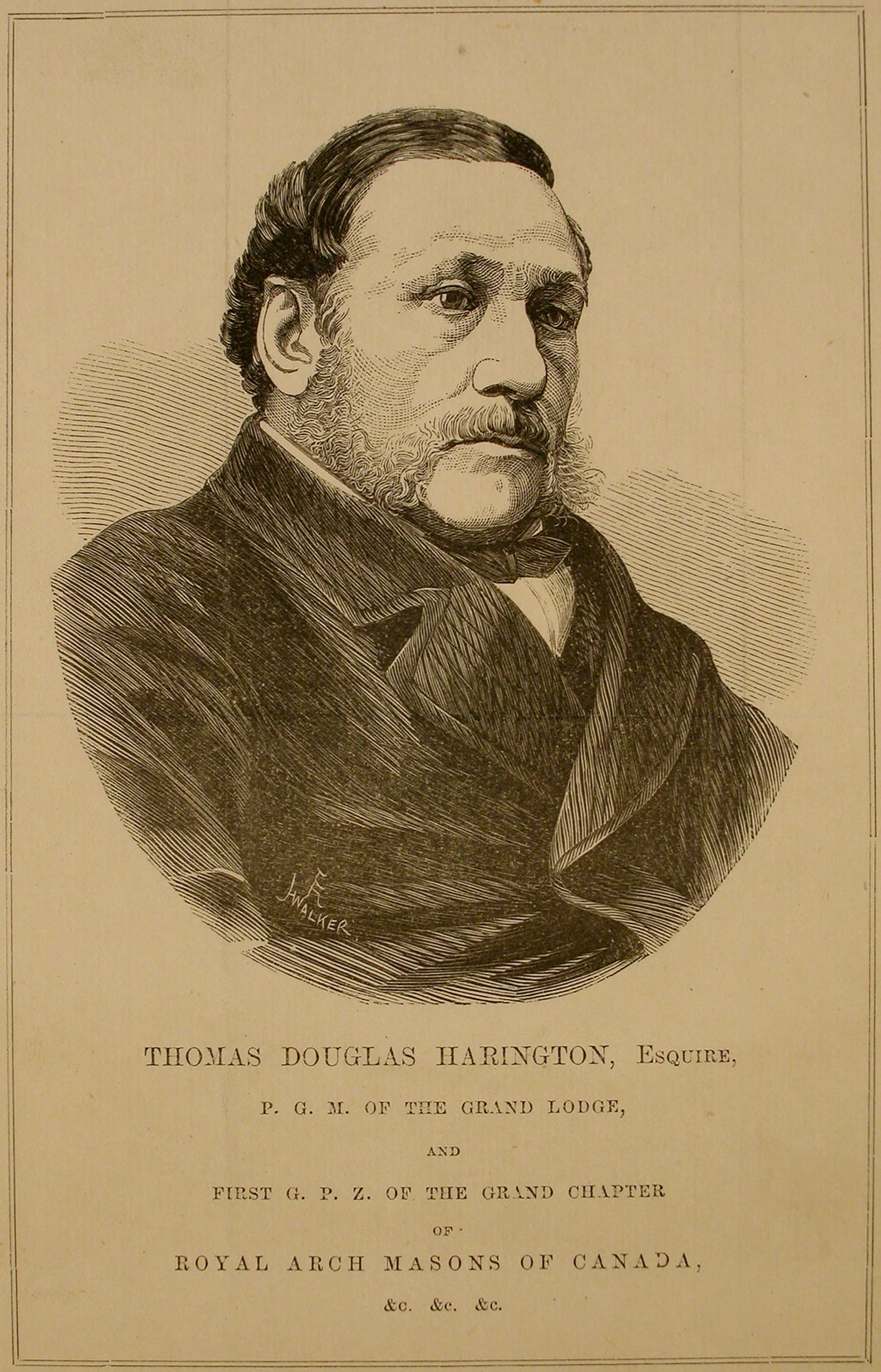
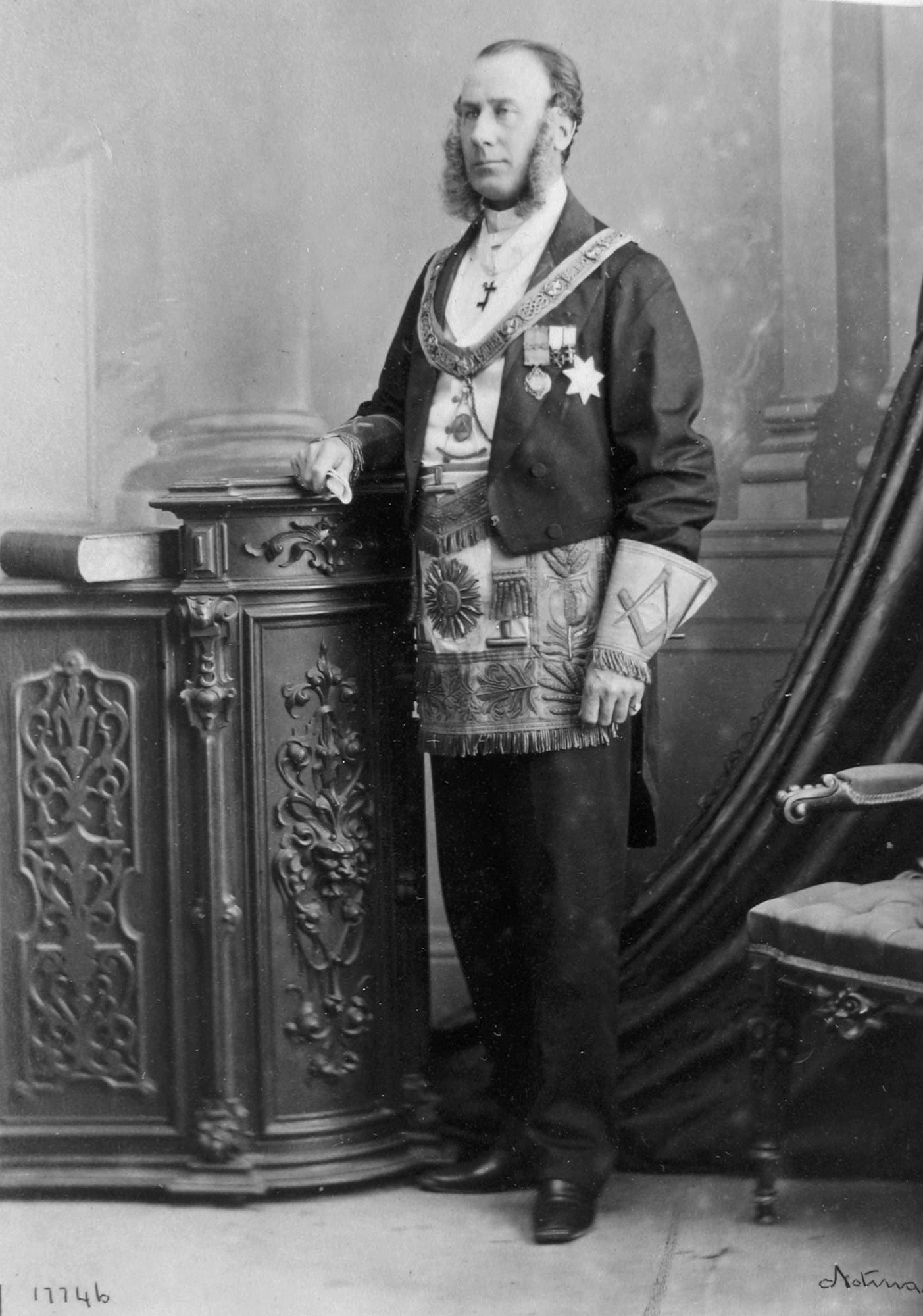
The Masons of Montreal also sponsored a variety of works. For example, Raphael’s contemporary, engraver John Henry Walker (1831–1899), was commissioned to make a portrait of Thomas Douglas Harington, the First Grand Principal of the Grand Chapter of Masons of the Royal Arch of Canada. And in 1865, William Notman (1826–1891) photographed Grand Master William B. Simpson wearing the apron of the Brother Masons. That portrait was commissioned by the Grand Lodge of Ancient and Accepted Masons of Canada, and they recorded the expense in their proceedings. Notman and Henry Sandham (1842–1910) also produced a composite image, Prince Consort and Freemasons Group, from photographs taken by James Weston (1841–1922) in 1877. Although he died in 1861, Prince Albert, Queen Victoria’s husband, is seated in the front row, at the centre of the composition, in a lodge crowded with brother Masons. The work thus highlights the important networks that connected the secret society and the spheres of power in the nineteenth century.
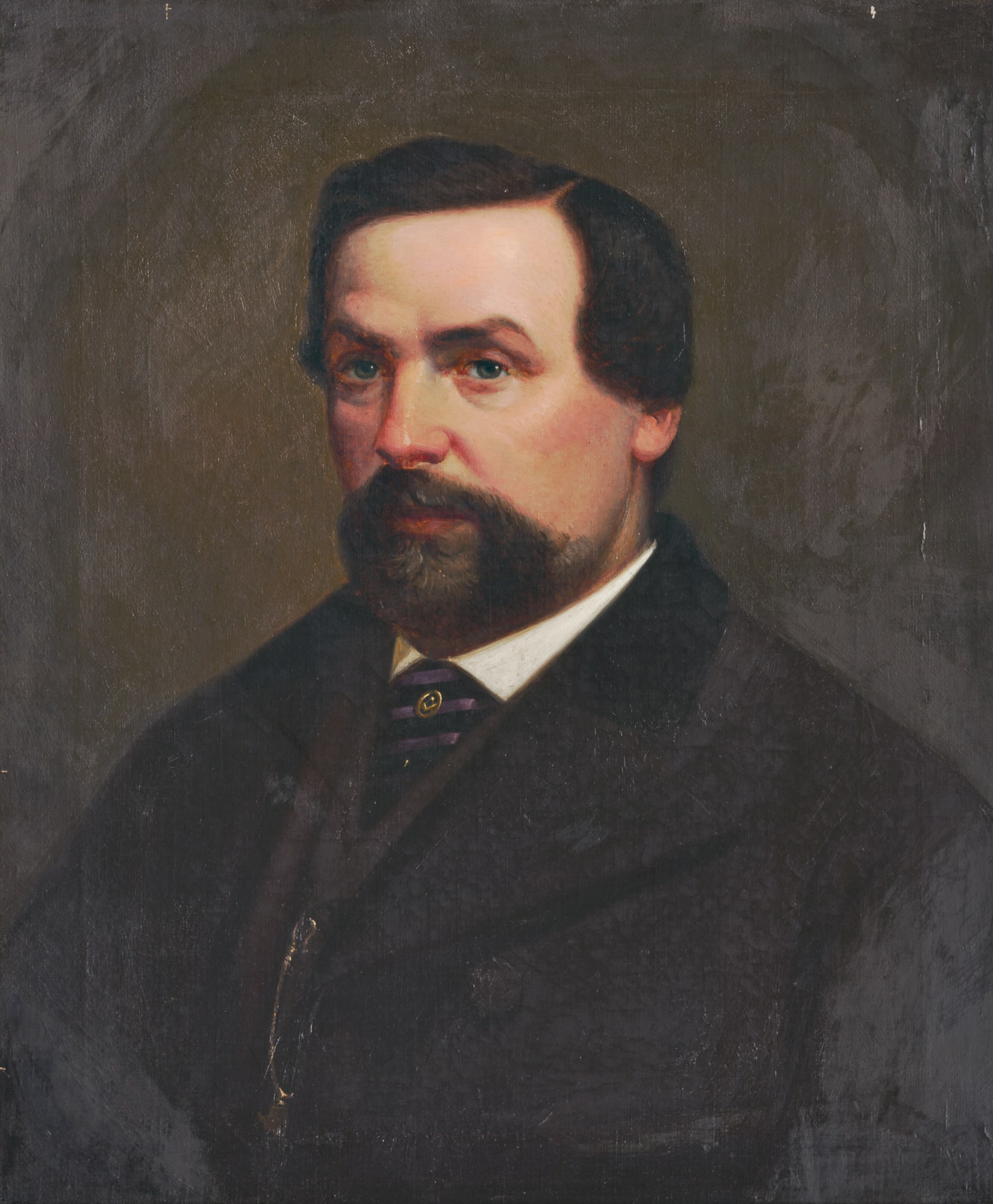
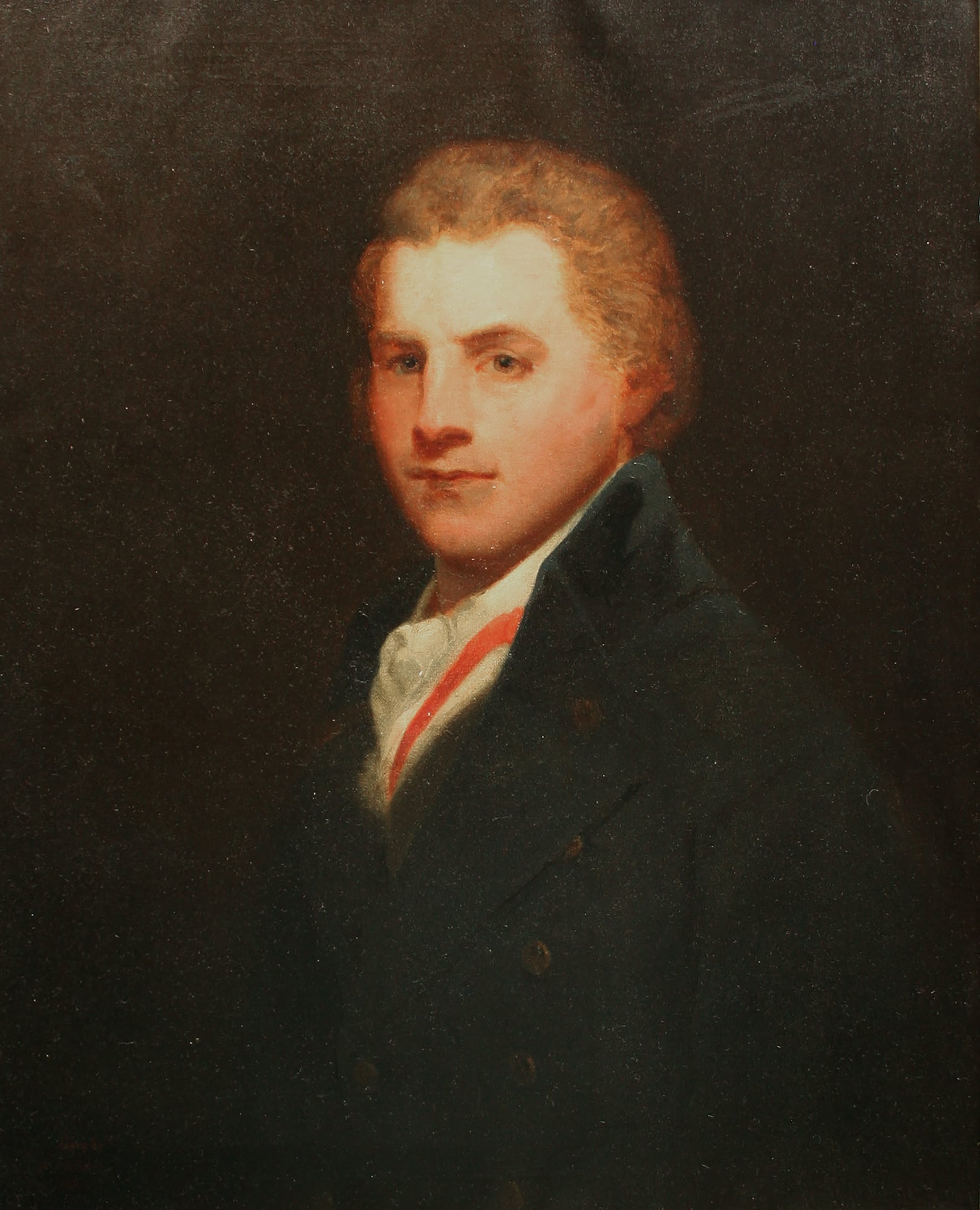
For Raphael, Masonry afforded the opportunity to develop social networks that undoubtedly played a role in his professional rise and allowed him to win certain artistic commissions. For example, in the 1870s, he offered his services to a prominent member of the brotherhood and created a portrait of Jeremiah Wright Wilson, the Grand Master of Iowa. Wilson is shown with a tie pin decorated with a gold square and compass on a black background, the most recognizable Masonic motif. In 1908, towards the end of his career, Raphael made a copy of a portrait of William McGillivray, the director of the North West Company and a prominent Freemason, at the request of the Numismatic and Antiquarian Society of Montreal. Although it is difficult today to establish the number of pieces made by Raphael for his fellow Freemasons, the fact remains that his membership helped him forge relationships with the intellectual and cultural elites of the time.
A Decline in Status
By the early 1880s, William Raphael was a major figure on the Montreal and Canadian art scene. Appointed one of the first professors of the Art Association of Montreal (AAM), he was also one of the earliest members of the Royal Canadian Academy of Arts (RCA). Some of his works even appeared in prestigious publications, including the book Picturesque Canada, published in 1882. This recognition quickly faded, however. In the space of just a few years, Raphael lost his teaching contracts at the AAM (in 1883), failed to obtain financial support from the Royal Canadian Academy despite repeated requests (as early as 1884), and above all, found himself at the centre of a controversy sparked by the Art Association of Montreal (in 1886).
Raphael’s decline in status coincided with significant changes in his social circles. Indeed, the painter lost two major supporters in 1882 and 1883. Henry Sandham, a close friend and member of the AAM, left Canada for the United States at the end of 1882, and the Marquess of Lorne, who had bought one of Raphael’s works for his personal collection, finished his term as governor general in 1883 and left Canada to take up new duties elsewhere in the British Empire. The departure of these allies happened alongside the rise of a new generation of artists and educators, led by painters Robert Harris (1849–1919) and William Brymner (1855–1925). Because of their recent training in Paris, these artists were said to be invigorating Montreal’s cultural scene. Though he had worked in Canada for more than twenty years, Raphael was soon seen as part of the old guard, which was slowly being relegated to the background. He often found himself at odds with Harris and Brymner as significant tensions began to form.

In 1883, Robert Harris moved to Montreal and became a professor at the AAM’s art school. Raphael, who had been active in art education for many years and had taught the first courses at the AAM, was passed over in favour of him. A rivalry ensued as Raphael began offering courses in his own studio. Newspapers played their part by reporting on the number of students attending each artist’s classes and critiquing their works on display. When Harris decided to leave his position at the AAM, he supported the candidacy of his friend William Brymner. Brymner, who took over from Harris in 1885, also had to contend with the success of Raphael’s studio, which had moved the previous year to a space just a few steps from the Art Association. From then on, Brymner never hesitated to use his influence with the RCA to block Raphael’s requests for financial support.
In this tense climate, the AAM even openly attacked Raphael. In 1886, the Gazette reported a discussion about the painter between William Townley Benson, one of Raphael’s pupils, and the secretary of the Art Association of Montreal, a Mr. English. The conversation went like this:
“Raphael, being a teacher, cannot be expected to paint, besides he never had any education except what he got in Notman’s studio, painting photographs. All the pictures which he has sent to the gallery for the last few years have been failures.” When pressed as to whether Raphael ever studied in Europe, he [Mr. English] replied, “Oh yes, I believe he did, for a few months in Düsseldorf, the worst school, the worst school in Europe.”
I [Benson] said Raphael studied in Berlin, at the Academy. “Berlin was it ?” said he, “well, it is six of one and half a dozen of the other.” Much more was said in the same strain, but the foregoing is sufficient for the purpose.
Apart from the mockery, the secretary of the AAM had shamefully belittled Raphael’s training, as well as his work. Efforts to discredit Raphael were persistent and long-lasting. At the beginning of the following century, in 1904, the Daily Witness devoted a long article to the history of the AAM school in which Raphael was only briefly mentioned. The text states that in 1881, “an experimental series of advanced art classes was established under the supervision of a committee, taught by Mr. Raphael, Mr. Edson, Mr. Van Luppen.” In other words, in the official narrative of this aspect of art history, Raphael is barely named and his pioneering work as a teacher is framed as an experiment under the supervision of a committee. The journalist never explains why these three men were not asked back to teach at the institution. Instead, he gives all the credit for setting up the school to Robert Harris and, above all, William Brymner.
Facing the Rise of Anti-Semitism
William Raphael’s loss of influence in the early 1880s may not have been entirely due to artistic issues and struggles for prestige among various players. Prejudice may also have played a role in sidelining the artist. The climate in Canada was coloured by world events. In Russia, the assassination of Tsar Alexander II in 1881 by a revolutionary group called the Will of the People ushered in a new period of anti-Jewish sentiment. The murder, falsely attributed to Jewish terrorists, led to waves of violence (pogroms) and the introduction of discriminatory laws. The Jews of the Russian Empire fled in droves—more than two million of them were forced into exile.
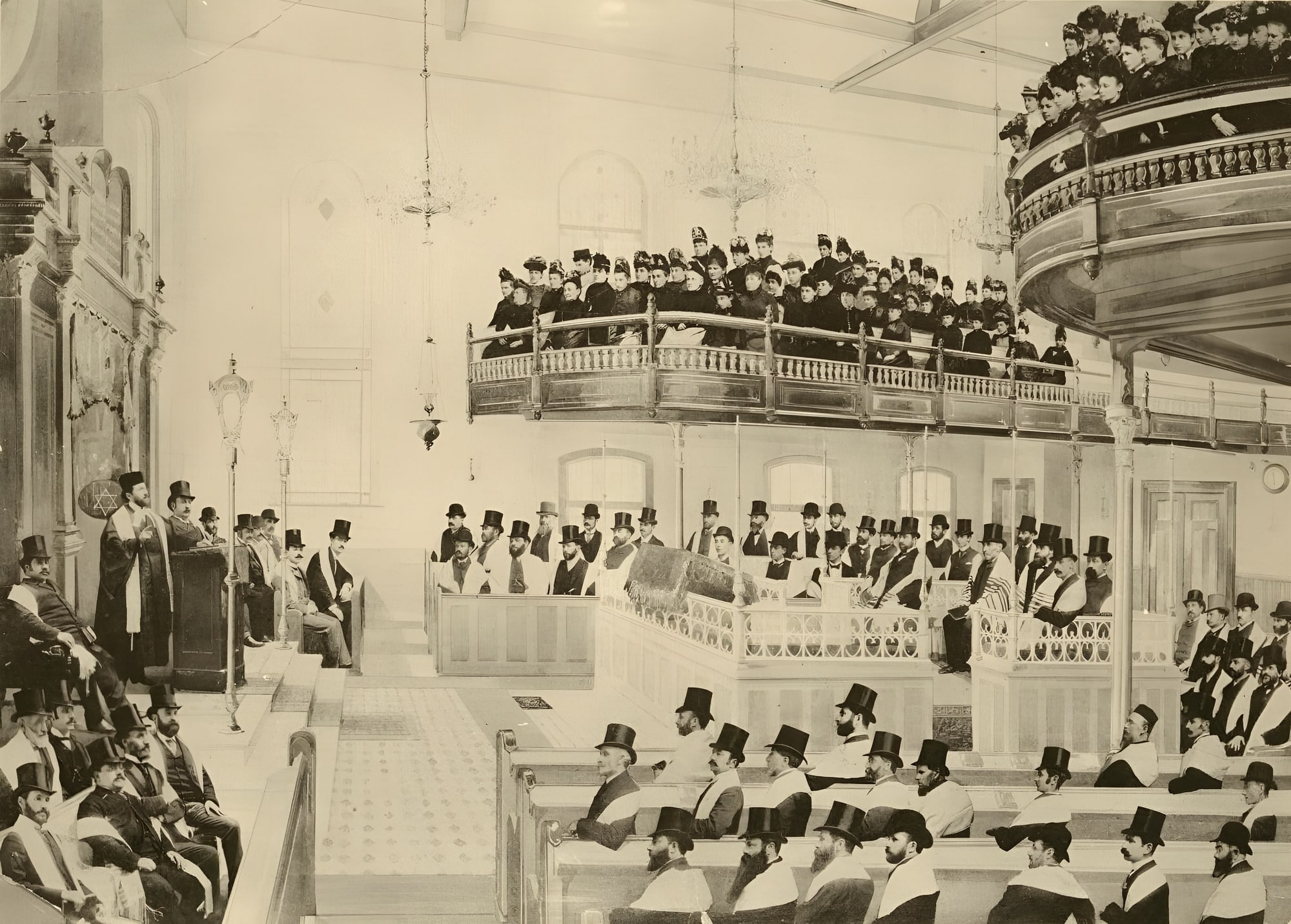
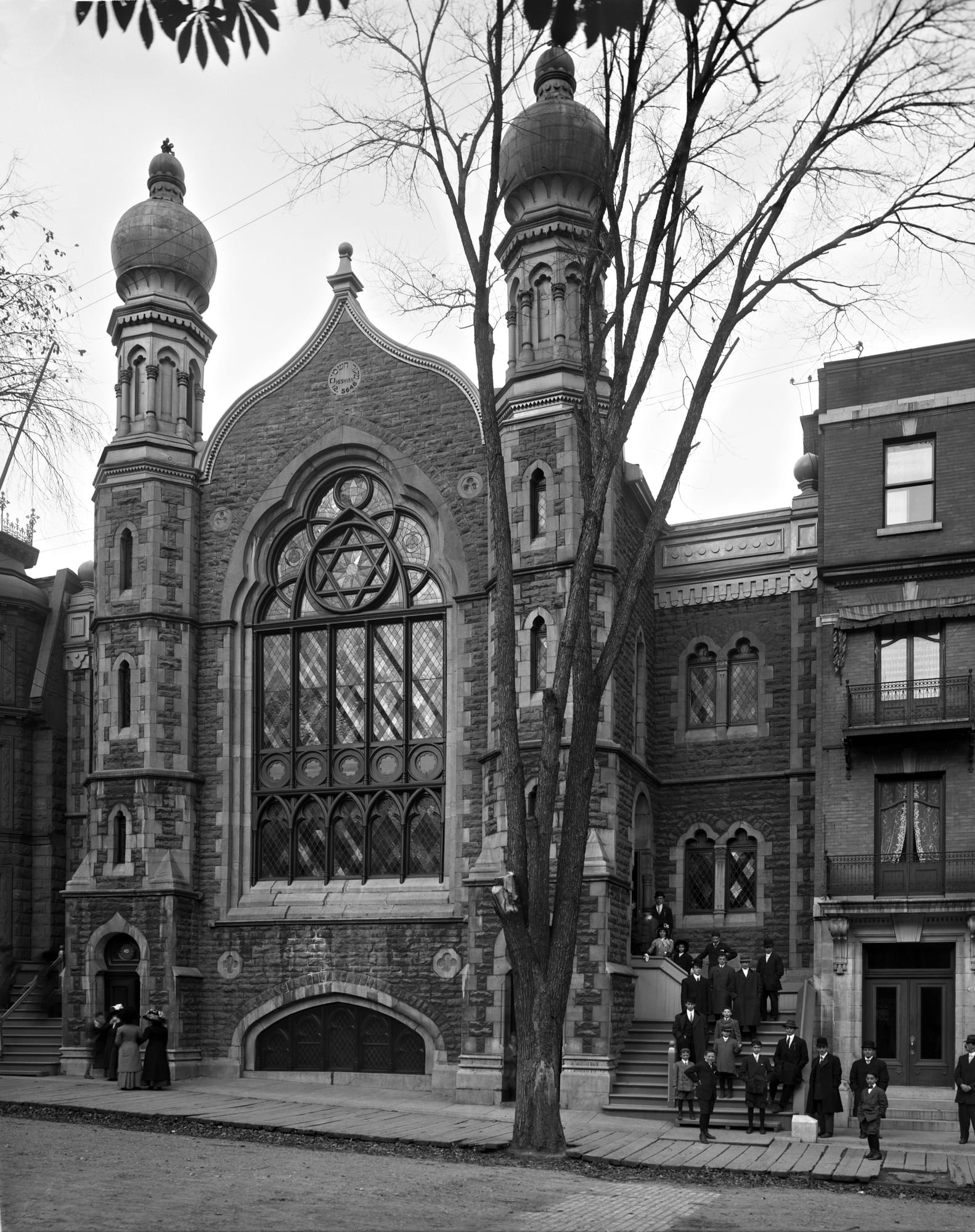
Canada welcomed such a large number of refugees that its Jewish population jumped from 2,443 in 1881 to 6,501 in 1891. In Montreal, the increase was particularly noticeable, with the population of Jewish people rising from 814 to 2,473 over the same ten-year period. And the numbers continued to grow. In the Canadian census of 1901, 16,401 Jewish people lived in Canada, nearly 40 percent of them in the Montreal. The massive influx of Jews from Russia and Romania in the last twenty years of the nineteenth century changed the spiritual landscape of the city, which until then had been home to a small Jewish community adapted to the British colonial way of life. The community is reflected in a composite photograph showing worshippers at the English, German, and Polish synagogue on McGill College Avenue, a temple belonging to one of Canada’s oldest Jewish congregations (the Shaar Hashomayim congregation, founded in Montreal in 1846). In this bright and airy space, the male members wear top hats and sport moustaches and beards in the style of the time.
The massive migration of Jewish people in the 1880s also corresponded to the resurgence of prejudices on an international scale, which in turn undermined their integration into Canada. This situation was exploited by people like the British Canadian historian and journalist Goldwin Smith, who had been a professor at Oxford and Cornell University before he settled in Toronto in 1871, and thus enjoyed a high status in intellectual circles. Smith disparaged Jews as an unpatriotic, inward-looking people who were corrupting the greatness of a country that should, first and foremost, embody Anglo-Saxon values. He constantly advanced the view that the growing numbers of Jews in North America threatened the Anglo-Saxon way of life and Canada’s religious equilibrium.
As early as 1878, Smith was publishing anti-Semitic articles and giving speeches in both Canada and the United States in support of his point of view. By 1891, he was describing the Jewish people as a parasitic race. According to Smith, who cloaked his bigotry in academic language, all Jews, no matter where they were born—Russia, England, or the United States—possessed the same so-called racial characteristics, regardless of their social or intellectual abilities. Although his ideas were criticized by some, they nonetheless found an audience in Canada during this time of increasing prejudice and discrimination.
This rhetoric undoubtedly affected William Raphael. He saw the religious and racial tolerance that had allowed him to lead a fairly serene life in Canada collapsing before his eyes. Seemingly overnight, he could no longer count on the same benevolent support from the Canadian cultural community. Smith’s screeds about the threats to Anglo-Saxon superiority were reflected in Raphael’s loss of his teaching position at the Art Association of Montreal (AAM). Indeed, in 1882, the institution decided that its courses would be organized in accordance with the British model, which the AAM’s board of directors considered to be the best in the world. Attempts were even made to recruit a London-based teacher, without success. In the end, the institution came to favour English-speaking painters with undeniable British roots.
Against this backdrop arose a “genteel” anti-Semitism, to use the term proposed by historian Alan Mendelson. As he demonstrates in his book Exiles from Nowhere, this form of anti-Semitism was adopted by some members of Canada’s English-speaking elite, whose notions of decorum and “gentlemanliness” encouraged a subtle racism over more brutal gestures. This led many Jews to quietly withdraw from their wider social and cultural circles. In the last quarter of the nineteenth century, imperialist thinking, racial animus, and anti-Semitism found a place in Victorian society.
The words and actions of people like Goldwin Smith meant that a Jewish painter like Raphael was not as welcome as before. His religious identity overshadowed his artistic abilities, which no longer seemed to be considered objectively. He was forced to give up the fight for public recognition. During the last three decades of his life, the climate was simply not favourable.
A Teacher of Art
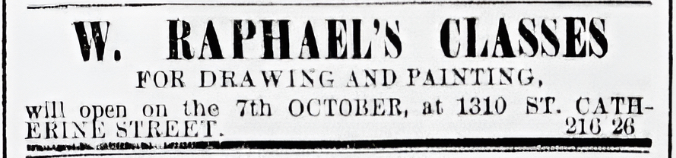
Raphael’s significant contributions to the history of art in Canada are especially reflected in his involvement in art education. In the 1860s, he taught classes in his own studio, at a time when Montreal had no art schools. He also started teaching art to the Sisters of Sainte-Anne in 1879, and to the nuns of the Congrégation de Notre-Dame around 1883. He was further instrumental in establishing the drawing and painting curriculum at the Art Association of Montreal’s art school, and he held positions at the Montreal Society of Decorative Art (in 1881 and between 1883 and 1884), Mrs. Lovell’s Educational Institute (in 1884), and the Eliock School (in 1893). In 1896, he also began offering classes at the Art Building in Sherbrooke.
Through these avenues, Raphael reached an incalculable number of students over the course of four decades, contributing as much to cultivating a taste for the arts in society as to the training of future artists. This considerable contribution helped to increase the number of art lovers, collectors, and supporters of artistic production in Montreal. Raphael’s efforts also nourished the city’s cultural life and fostered a better understanding of art among those who lived there.
Raphael favoured a teaching method that largely duplicated the academic model he’d learned from during his training in Berlin. In 1887, the Montreal Herald and Daily Commercial Gazette, in a report on an exhibition of work by his pupils, described the exhibition room, giving some insight into his approach:
[T]he walls are covered with drawings in crayon and charcoal, works by the pupils, consisting of studies from living models, statuary, busts and masks. Particularly fine are the charcoal sketches from life. The various phases of art are here exhibited from the sketches of hands, feet, eyes, etc.
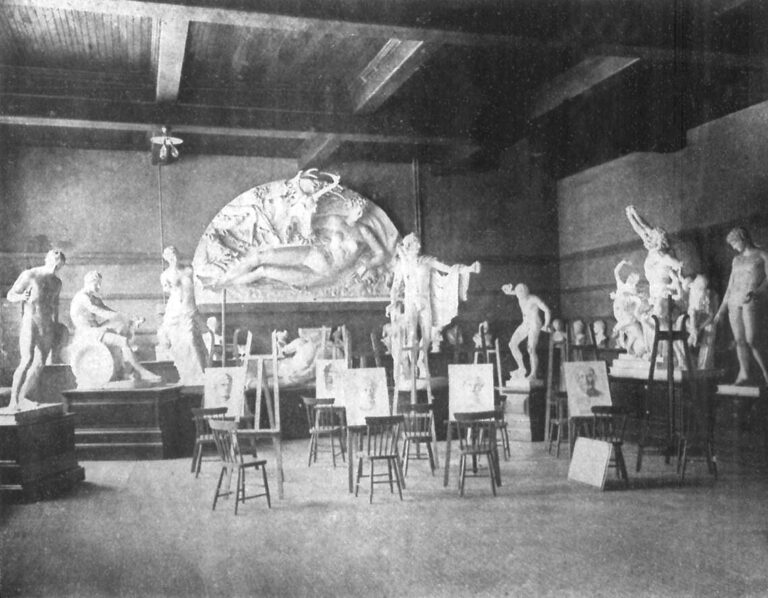
The description illustrates that drawing was the preferred method of artistic instruction, as was the case in the academic system. Pupils began by copying two-dimensional works (engravings, drawings, and paintings by the masters) and then progressed to observing static three-dimensional objects (statues, bas-reliefs), and ultimately moved to drawing from a live model. Each stage allowed for the development of the artist’s skill and emphasized composition and tonal variation.
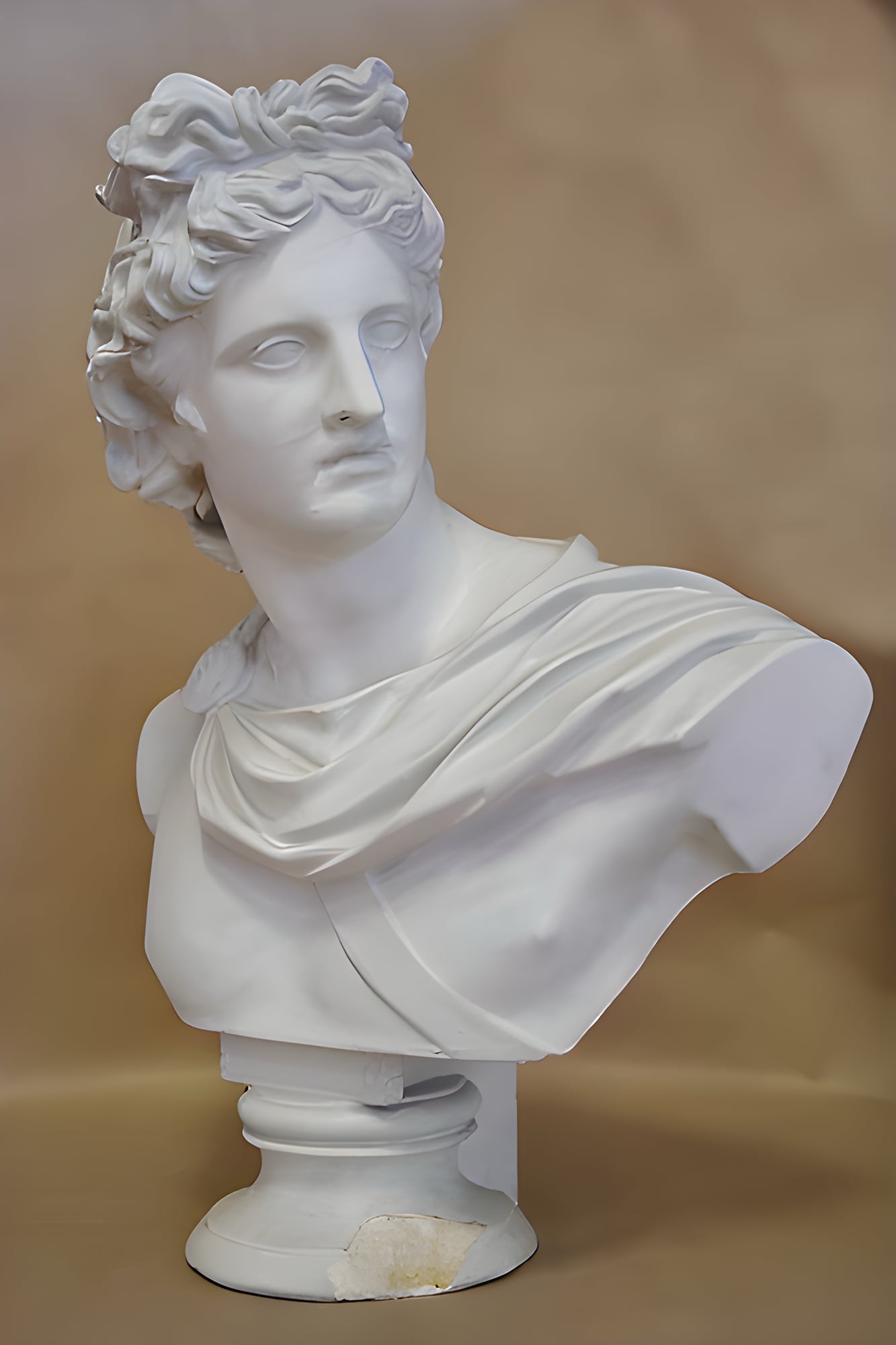
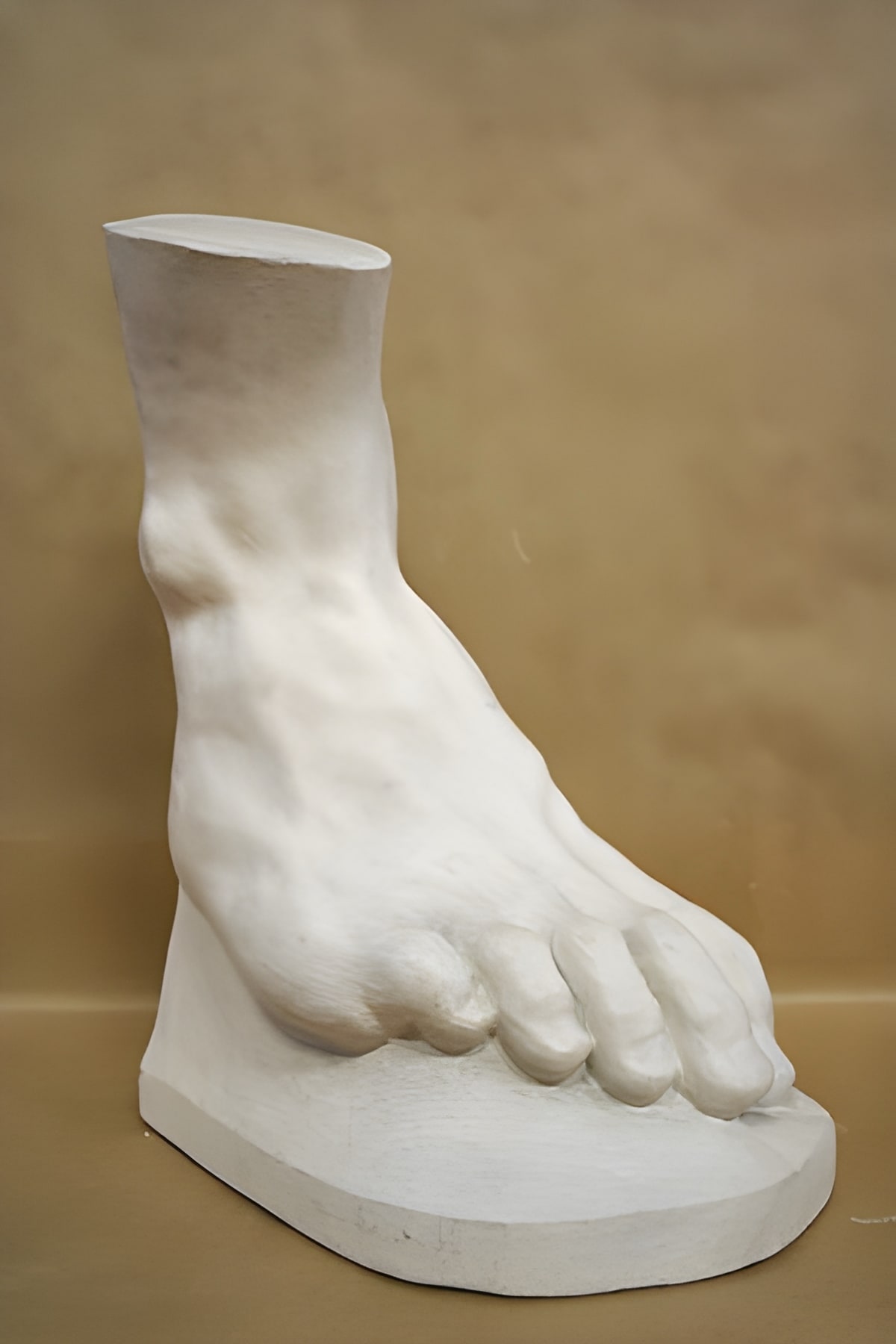
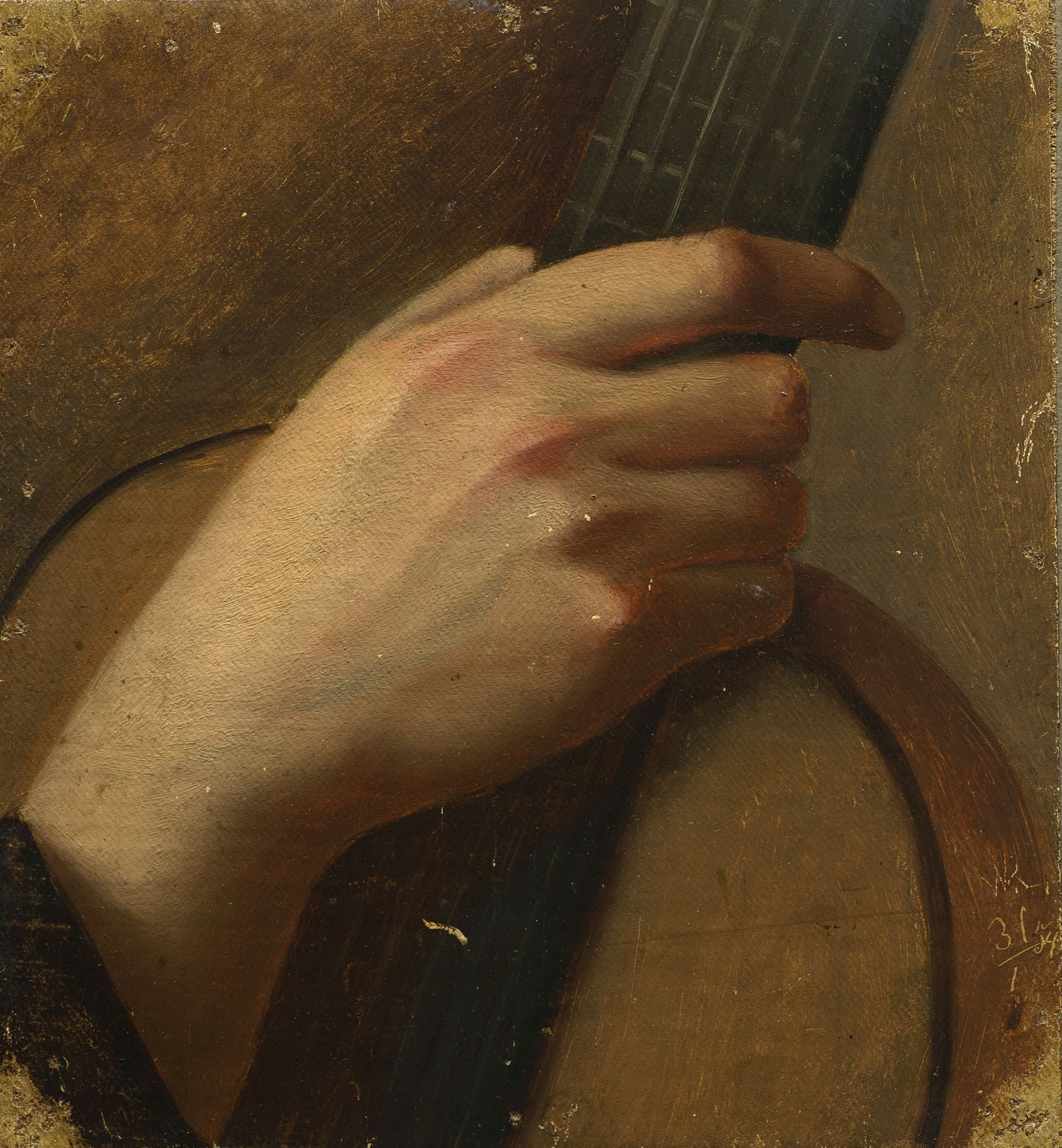
For the first stage, copying two-dimensional models, the teacher would show his pupils various examples, including his own work. In fact, some of Raphael’s pieces, such as a painting of a hand dated 1858, show small holes in the corners—a sign that they had been pinned up several times to be used as studies. Raphael also instructed his pupils to draw plaster models from his own collection. Many of these objects were preserved when they were sold in 1910 to the Sisters of Sainte-Anne. Some correspond to ancient figures, such as the bust of the Apollo Belvedere. Others show only a fragment of the body, to allow students to practise detail work.
Once his pupils had developed basic skills, Raphael had them do exercises with live models. As he explained to the Herald reporter, these sessions were long, since “for the completed picture the models generally have to give four sittings of three hours each” It’s not clear whether models posed nude, as was the custom in the academic system. Given the strong influence of religion in Quebec at the time, it is more likely that they were clothed.
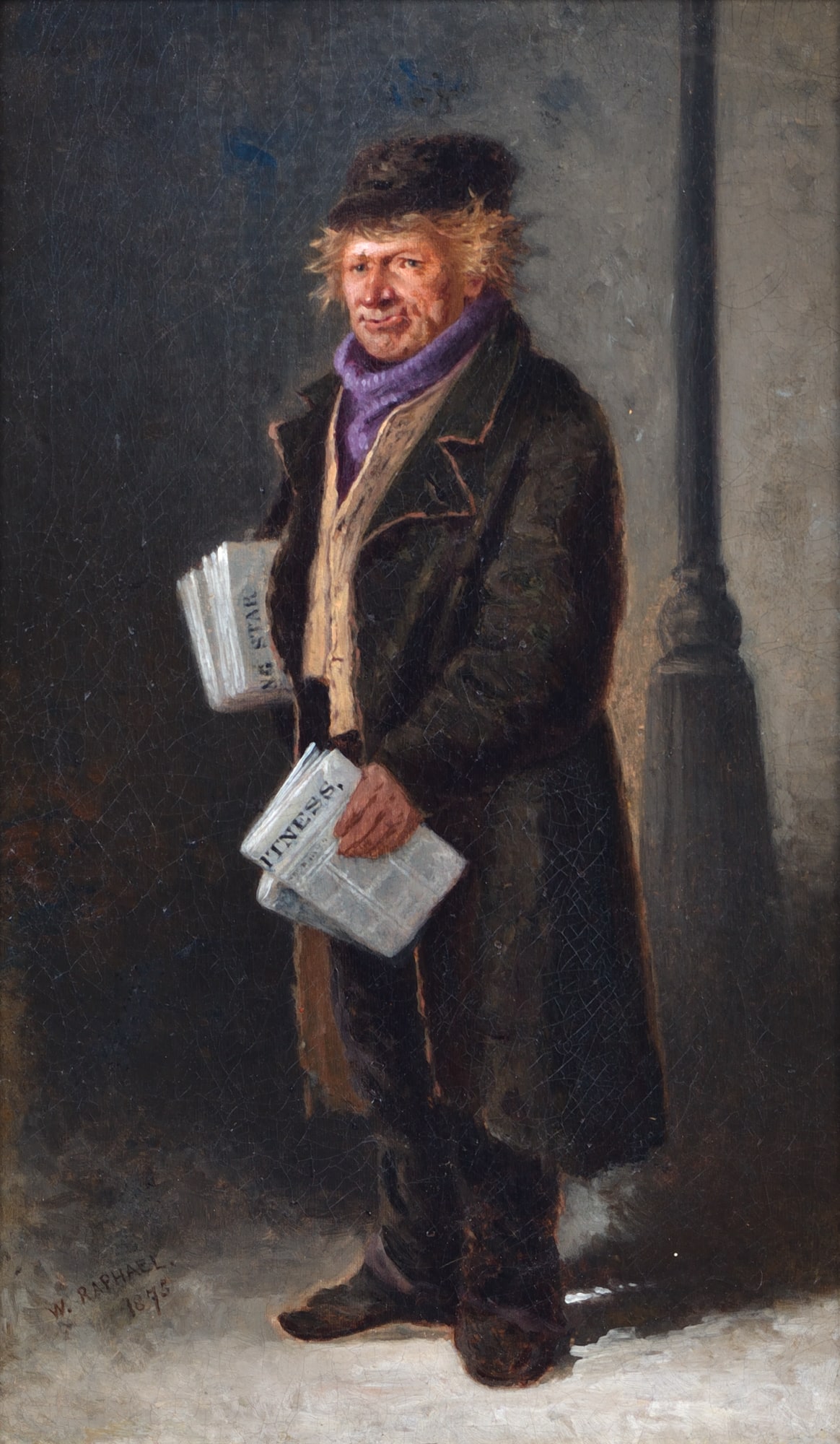
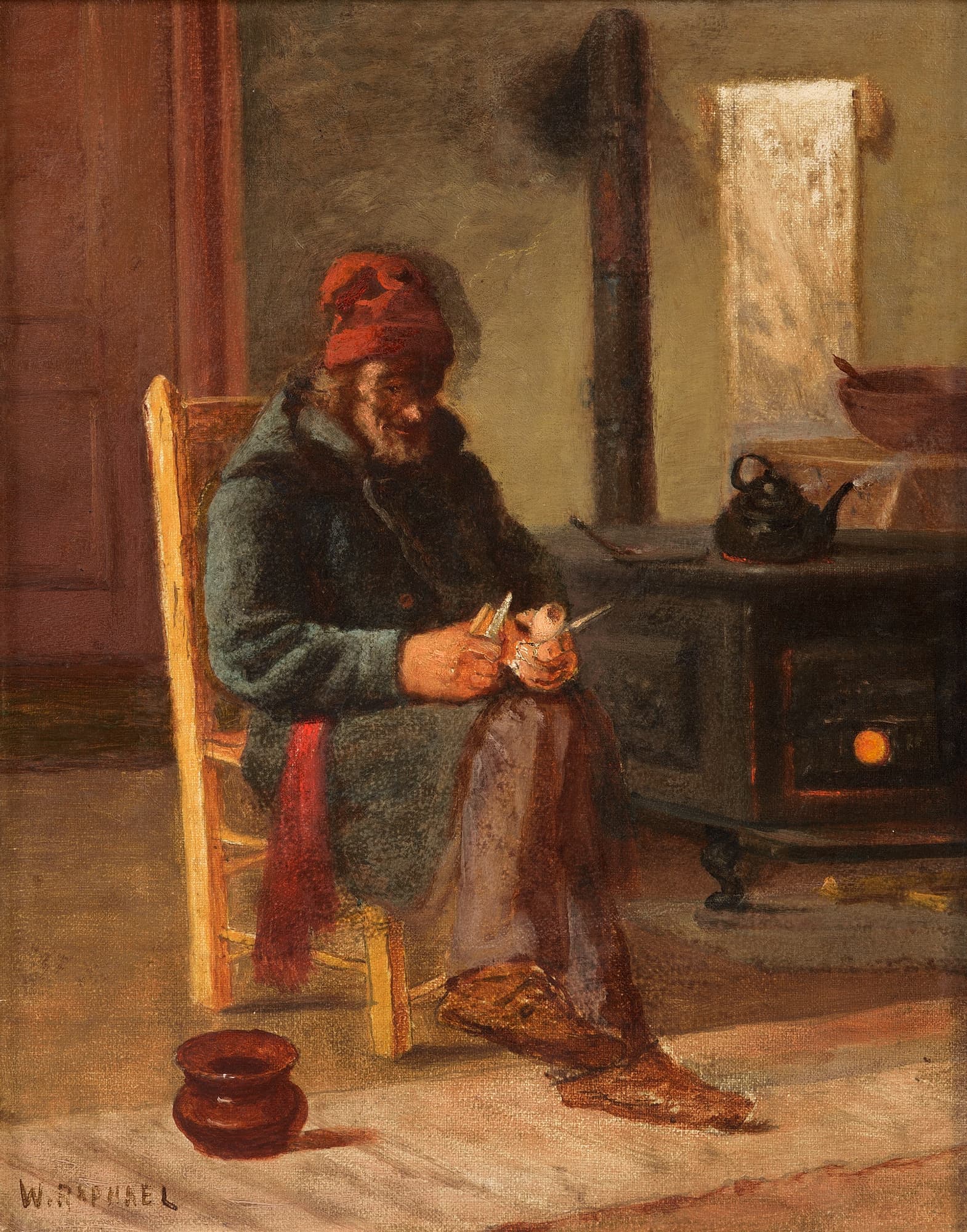
Most of the sitters brought into Raphael’s studio were male, and although we don’t know their names, some appear across the painter’s body of work. Sometime in the mid-1870s, for example, Raphael created a bust-length portrait of a warmly dressed man posed in front of an interior background. The same man appears in Good News, a later composition from 1875. In this work, the man stands near a street lamp holding the latest editions of the Daily Witness and the Evening Star. Several years later, the model posed again, for a work in which he’s shown with aged features, wearing a red tuque and smoking a pipe.
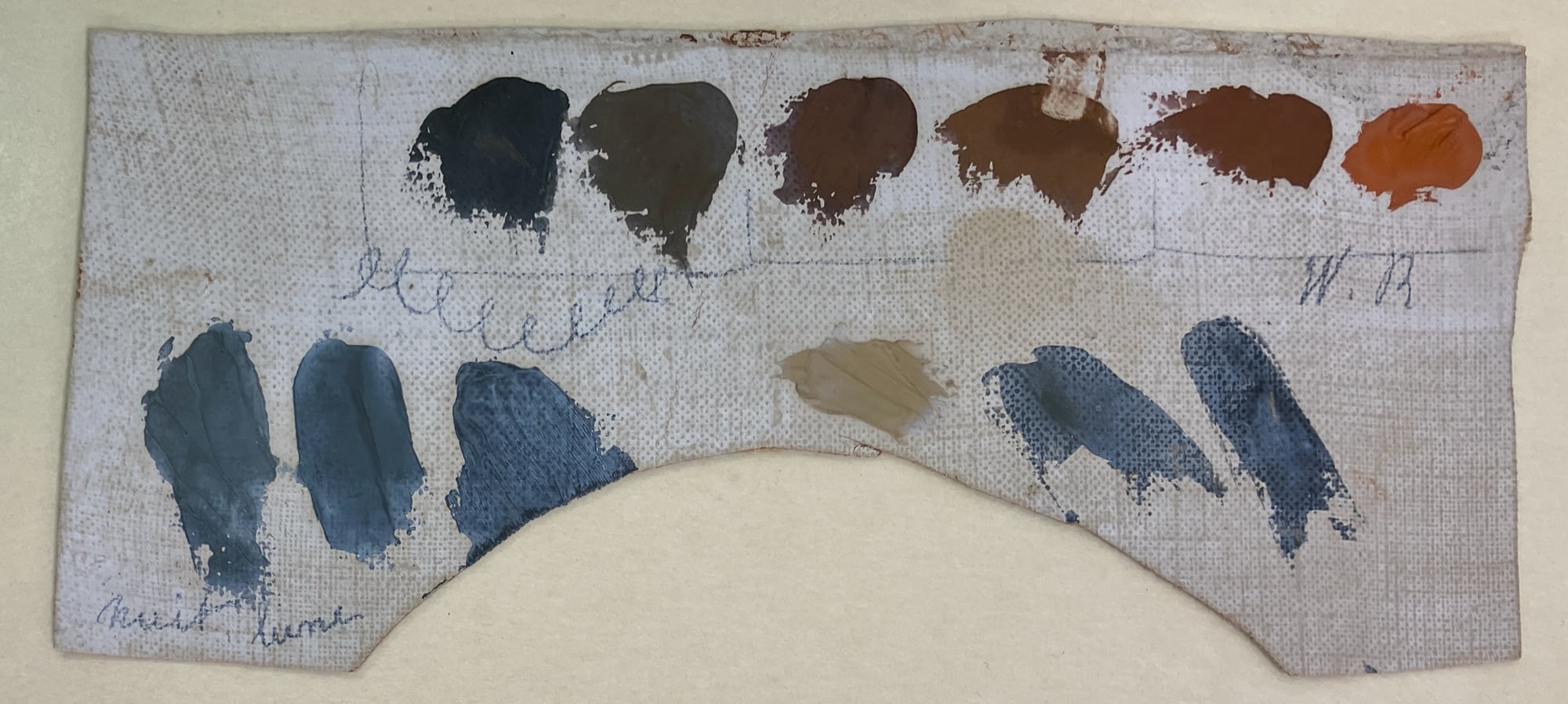
Raphael also taught painting classes, but it’s evident from the 1887 Herald article that these lessons were designed for his more advanced students. The two main genres of these classes were landscape and still life. Many of Raphael’s pupils created copies of his own compositions in both—one notable example is a landscape painting copied by Sister Marie-Hélène-de-la-Croix (née Élisabeth Martin, 1861–1956) of the Sisters of Sainte-Anne. A fundamental exercise in the academic system, copying allowed for deeper understanding of technique. This pedagogical approach helped Raphael’s students better recognize subtleties in colour harmonies. In his teaching, he used colour palettes as references, and one of these palettes, which bears the words “night” and “moon,” corresponds to the range of hues used in his landscapes, including Moonlight, 1898.
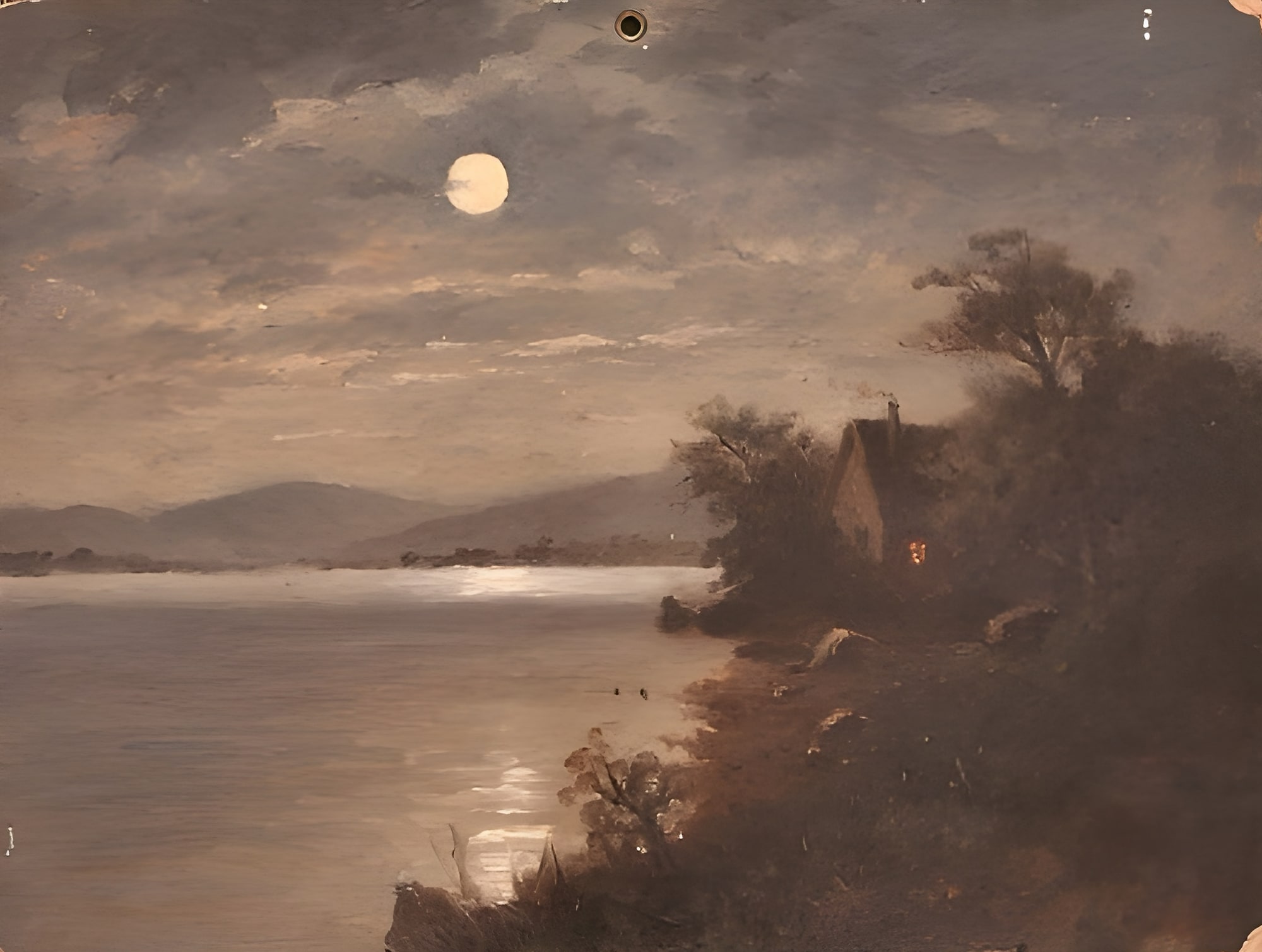
Raphael was one of the first teachers in Canada to give outdoor painting classes. He encouraged the direct contemplation of nature and the desire to capture its fleeting effects, and he told his students to “[o]bserve nature carefully, especially the delicate cloud formations and aerial perspectives.” In this way, he reminded them to pay attention to the landscape through their encounter with it. The Herald article notes that the landscapes on display in the exhibition of his pupils’ work were made “from nature”—perhaps a reference to plein air painting. This method does appear to have been a component of Raphael’s teaching, as evidenced by A Sketch from Nature, a scene in which he depicts one of his students during an outdoor painting session at the Black River in 1882. Ten years later, his pupils at the Sisters of Sainte-Anne noted that they had practised plein air painting under Raphael’s instruction.
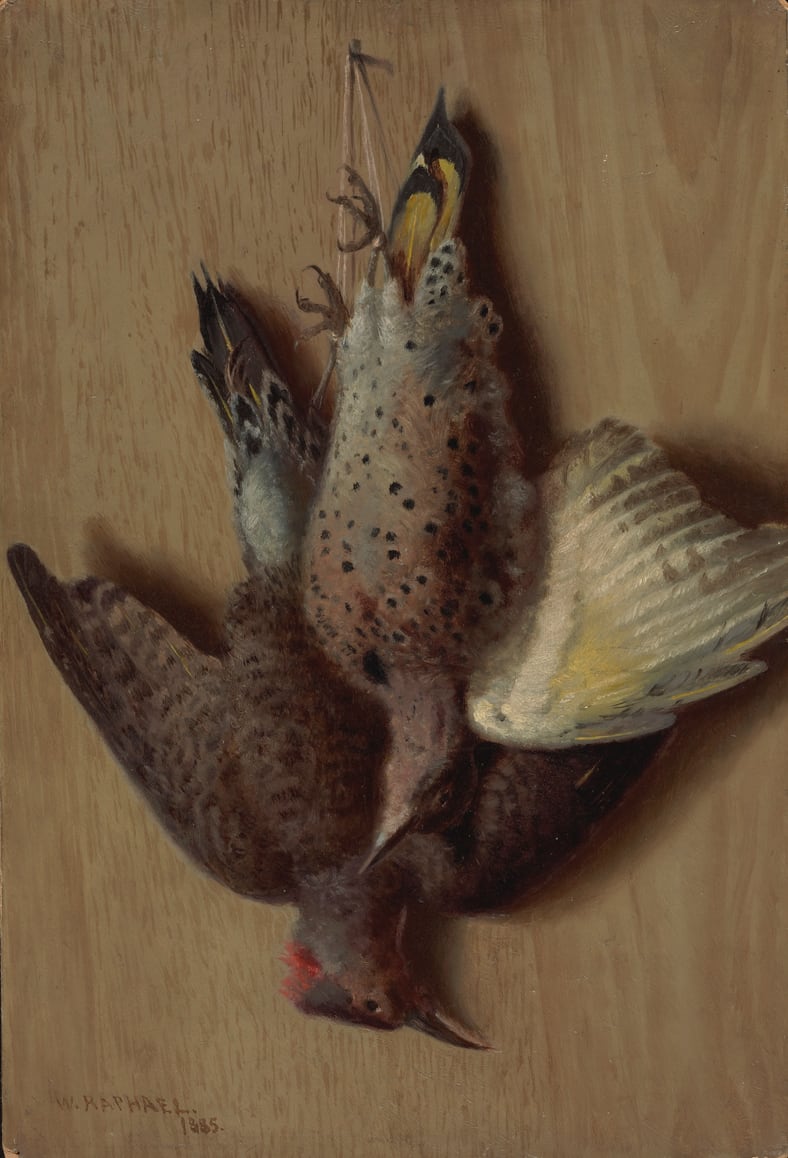
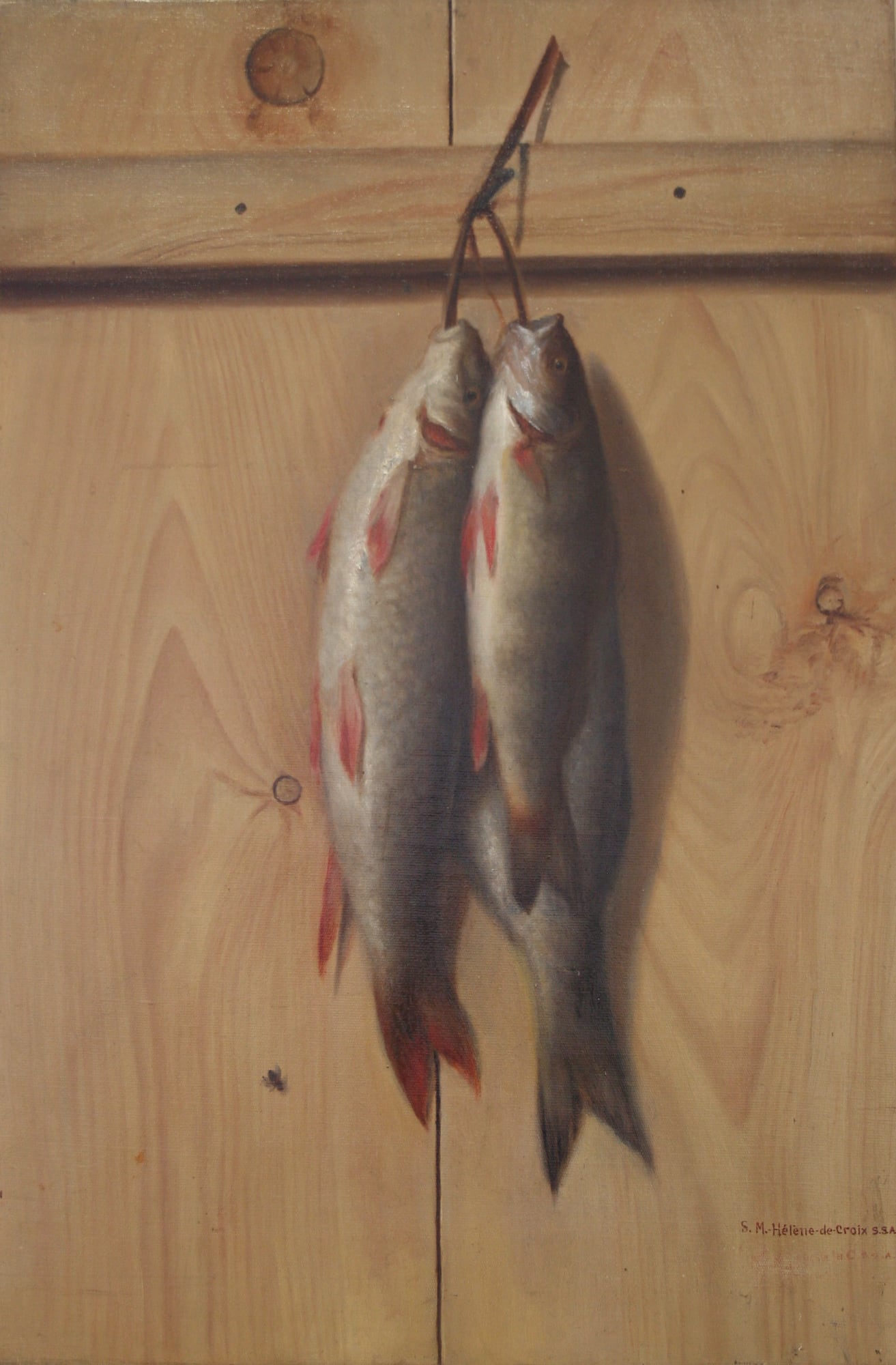
The Montreal Herald and Daily Commercial Gazette article also emphasizes Raphael’s use of the still life as a teaching tool. He undoubtedly had plaster reproductions of various foods and flowers, as a way of ensuring that these items didn’t perish between sessions. Although Raphael didn’t produce many still-life compositions in his own practice, some of his depictions of flowers show a familiarity with plaster models. In 1880, the Gazette reported that he had just finished several paintings of fish and birds. Still Life (Northern Flickers), 1885, offers a glimpse into Raphael’s skill with the genre: it is a trompe l’oeil showing two dead birds suspended by their legs in front of a wooden surface. A composition depicting fish, signed by Sister Marie-Hélène-de-la-Croix, demonstrates how Raphael’s still-life paintings could serve as models for his students.
While based on the academic model and its system of progressive learning, Raphael’s educational program was rich and varied, incorporating practices inside and outside of the classroom to give pupils direct access to some of the most important methods for studying and creating art during the nineteenth century.
Legacy
Much of Raphael’s significance and importance has not been adequately highlighted to date, with the painter barely mentioned in comprehensive works on the history of art in Canada. Indeed, beyond creating Behind Bonsecours Market, Montreal, 1866, the painter played a key role in the nation’s cultural life. He opened up creative avenues that proved highly fruitful for the generations of artists who followed him.
Raphael played a dynamic role in the artistic community of his time. He was one of the few people in Montreal who saw the value in organizations capable of professionalizing the visual arts, exhibiting works, and training the next generations of artists, and he was a key figure in the founding of both the Art Association of Montreal and the Canadian Academy of Art (later the Royal Canadian Academy of Arts). He contributed to these organizations in palpable ways by exhibiting his work, teaching their courses, and sitting on their committees. In this way, he bolstered these essential institutions and all they represented for many years.
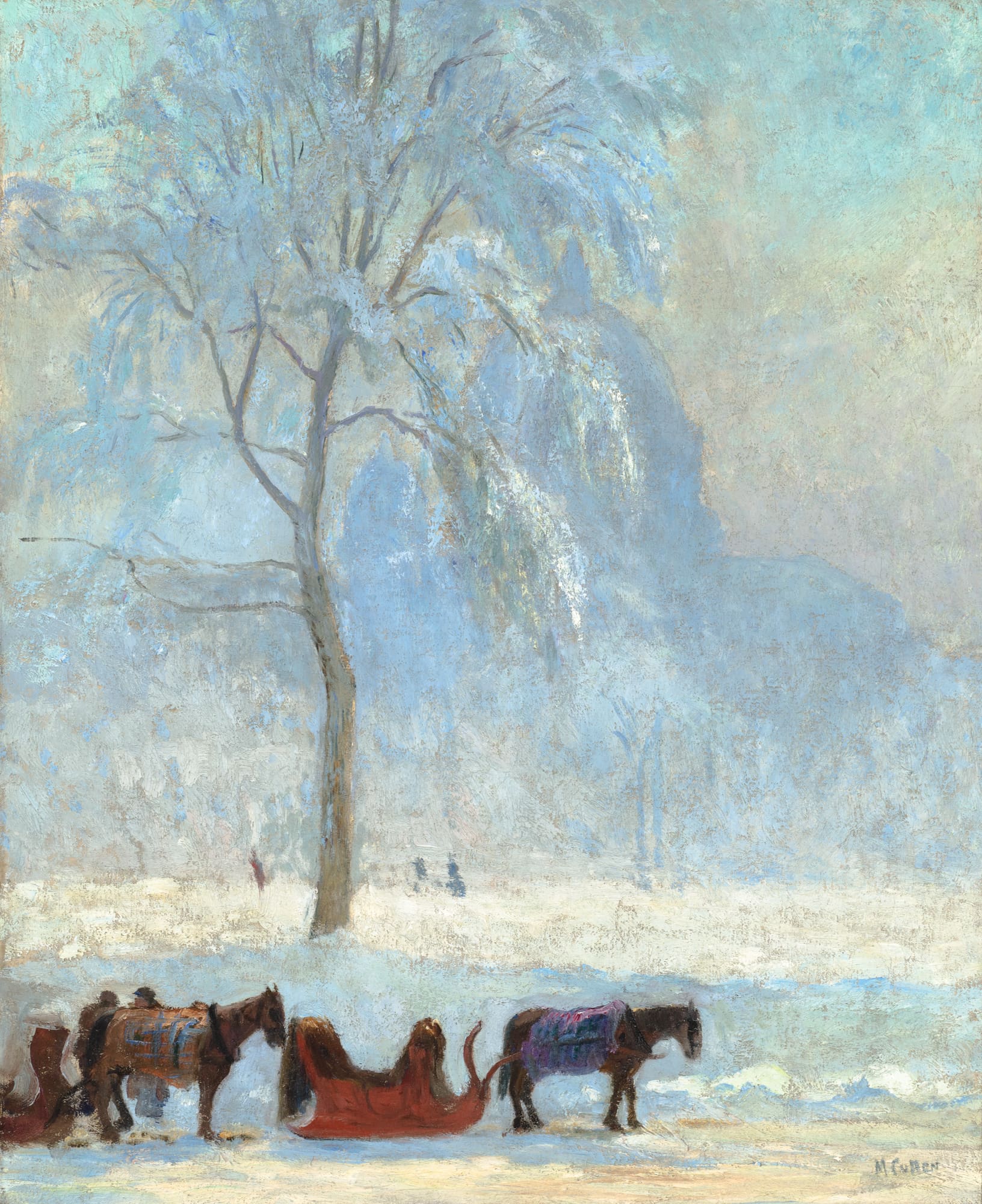
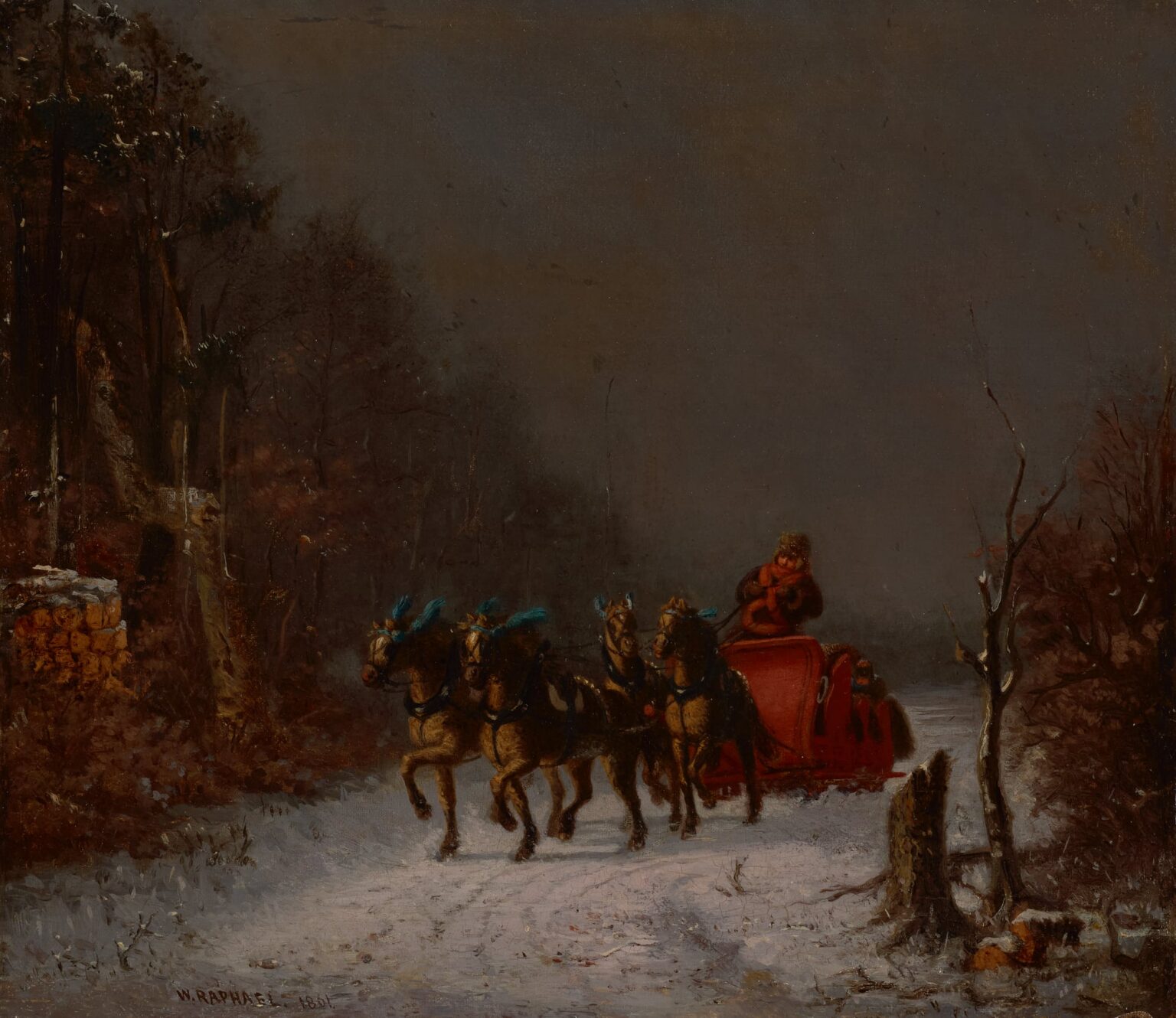
Perhaps most importantly, Raphael established an artistic practice that had a major impact on the history of Canadian art. Along with his contemporaries Cornelius Krieghoff (1815–1872) and James Duncan (1806–1881), he was one of the first Canadian artists to explore the theme of nordicity, or northernness. Blizzards, hoods, and tuques were part of his repertoire from his very first years in Canada. A case in point is Royal Mail, New Brunswick, 1861, which depicts a warmly dressed coachman at the head of a sleigh drawn by four horses on a snowy road. Long before painters like Maurice Cullen (1866–1934) and A.Y. Jackson (1882–1974), he recognized the strong role Canada’s northern landscape played in defining the country.
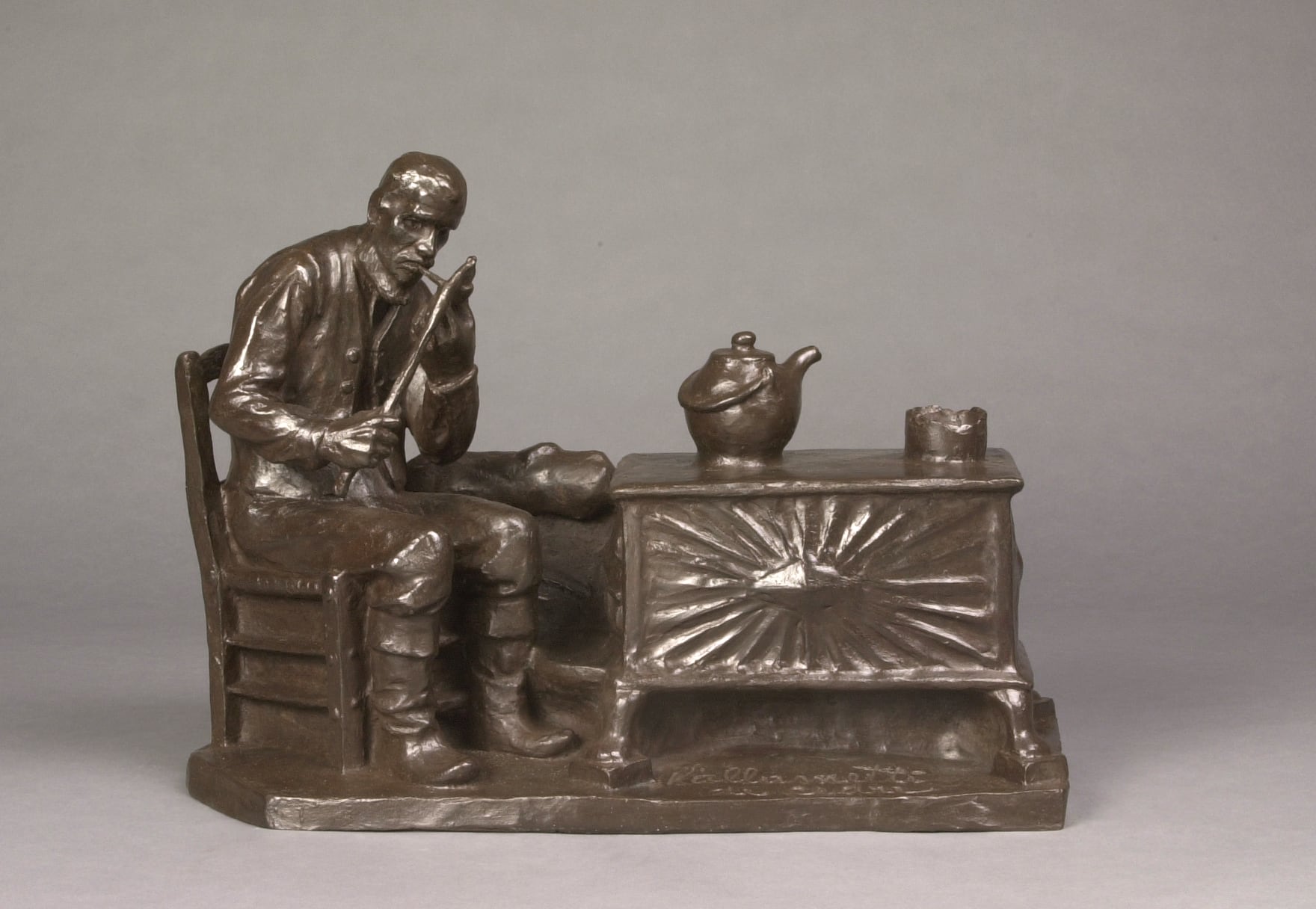
Raphael also showed a great interest in depicting traditional Canadian figures. But unlike Krieghoff, who sometimes turned his subjects into caricatures, Raphael opted for a more realistic representation. As early as the 1870s, he had established an image of the French Canadian habitant: a man wearing a tuque and a woven sash, shown in a modest domestic interior furnished with a hooked rug and a stove. In this moment captured in time, Raphael emphasizes local details and creates a compositional formula that, many years later, would be echoed in the works of Marc-Aurèle de Foy Suzor-Coté (1869–1937) and Alfred Laliberté (1877–1953).
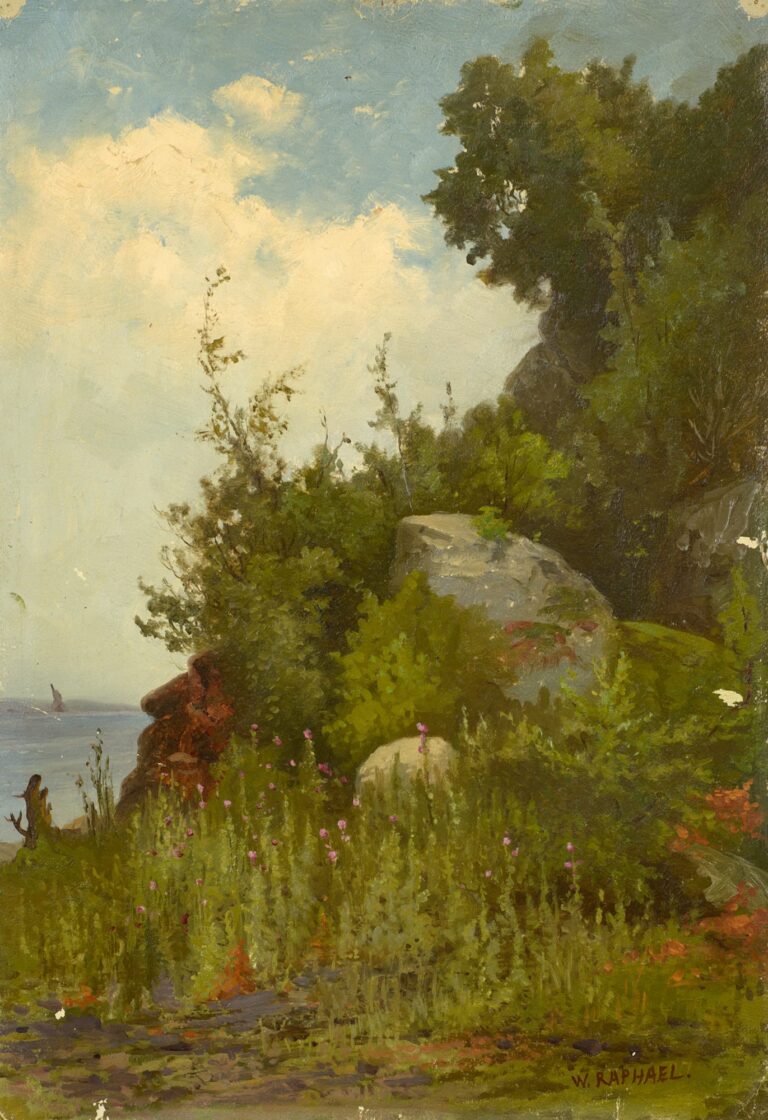
Finally, much of the credit for promoting the artistic potential of the Charlevoix region belongs to William Raphael, who painted the area more than thirty years before Clarence Gagnon (1881–1942) popularized it. Since the end of the eighteenth century, the Charlevoix had been captured by the pens and paintbrushes of British military watercolourists such as James Peachey (d.1797) and George Bulteel Fisher (1764–1837), but it was still rarely visited by other artists. In fact, it wasn’t until the middle of the nineteenth century that the region began to attract more painters, including Raphael. In 1869, when the Quebec Daily Mercury newspaper interviewed him on his return from a summer trip, he praised the Charlevoix in glowing terms, referring to it as the “Switzerland of Canada.”
Following this trip, he completed a painting entitled Falls of le Trou, which he exhibited at the second Society of Canadian Artists exhibition, held in early 1870. He then made further trips to Murray Bay (La Malbaie), notably in 1878 and 1887. Unlike many Canadian artists of the 1880s, who favoured the landscapes of Western Canada and the Rocky Mountains, Raphael instead discovered an inspiring place, worthy of his greatest creations, in Quebec. The Charlevoix region was so important to him that when he was seeking membership in the newly founded Canadian Academy of Arts in 1880, he chose as his reception piece Indian Encampment on the Lower St. Lawrence Estuary, 1879, a majestic landscape depicting Murray Bay. In 1881, he chose another landscape from this same location, Scene at Murray Bay, to be reproduced and included in a portfolio compiled by the Art Association of Montreal and distributed to all its members. In his own way, he helped people see the intrinsic beauty of these sites through an artistic eye.
 About the Author
 More Online Art Books
 Acknowledgements